Models of CSR Integration
To understand how integration works in practice, it's helpful to explore different models. These frameworks illustrate the progression from basic compliance to more comprehensive, impactful strategies. Each model reflects a company's maturity in embedding CSR:
- Compliance-Driven CSR: This is the entry-level approach, where organisations focus on meeting the minimum legal and regulatory standards. For example, adhering to environmental laws on emissions or labour rights in the workplace. While essential, this model is reactive and defensive—it avoids penalties but does little to create competitive advantage. It's common in industries with heavy regulation, such as mining or chemicals, where the primary goal is to 'do no harm' without exceeding the required standards.
- Strategic CSR: Here, CSR becomes a tool for differentiation and value creation. Companies utilise sustainability initiatives to differentiate themselves in the market, promote brand loyalty, and boost revenue. This may involve developing eco-friendly products that appeal to conscious consumers or partnering with suppliers to enhance ethical sourcing practices. The key is aligning CSR with business objectives, such as entering new markets or improving operational efficiency. This model views CSR as an investment, delivering measurable returns such as cost savings from energy efficiency or increased sales from green marketing.
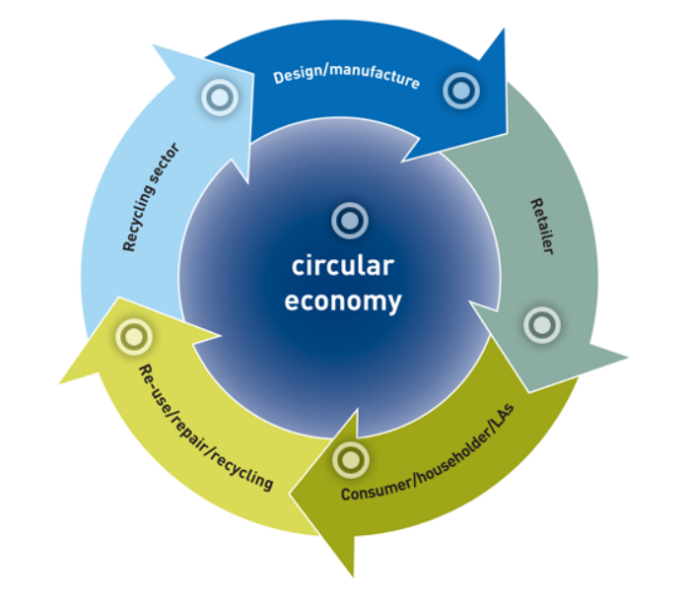
- Transformational CSR: The most advanced level, where CSR redefines the entire business purpose. Organisations are rethinking their role in society, aiming to address global challenges such as inequality and biodiversity loss through their core operations. This could mean shifting to a circular economy model or embedding social impact into every product lifecycle. Transformational CSR requires bold leadership and often leads to industry-wide change, positioning the company as a pioneer.
These models are not rigid; many businesses evolve from compliance to transformational over time, depending on their size, industry, and leadership commitment.
Steps for Effective Integration
Achieving integration demands a structured approach. Start by aligning CSR initiatives with the company's vision, mission, and key performance indicators (KPIs). The vision outlines the long-term aspiration, such as becoming a net-zero emitter, while the mission defines daily actions to support it. KPIs then provide measurable targets, like reducing carbon emissions by 20% within five years or increasing diverse supplier representation.
Sustainability must permeate decision-making at all levels—from boardroom strategies to frontline operations. This involves training employees, updating policies, and incorporating CSR into risk assessments and investment decisions. Tools like sustainability scorecards or integrated reporting can help track progress. Regular audits ensure accountability, while stakeholder engagement—through surveys or forums—keeps initiatives relevant.
Benefits of Strategic CSR Embedding
Organisations that successfully embed CSR into their strategy reap significant rewards. Stronger stakeholder trust emerges as customers, investors, and communities see genuine commitment, leading to loyalty and advocacy. Long-term resilience is enhanced through diversified supply chains and proactive risk management, which buffer against disruptions such as pandemics or regulatory shifts. Finally, a reputation for leadership in sustainable practices attracts top talent, nurtures innovation, and can even influence policy. Research shows that such companies often outperform peers financially, as sustainability drives efficiency and opens new revenue streams.
Real-World Example: Interface Inc.
A convincing example of integrating CSR with business strategy is seen in Interface Inc., a global manufacturer of modular carpet tiles based in the United States. Under the leadership of its late founder, Ray Anderson, the company underwent a profound shift starting in the mid-1990s. Anderson, inspired by environmental concerns, committed to 'Mission Zero'—a goal to eliminate any negative impact on the environment by 2020. This wasn't just rhetoric; it redefined Interface's purpose from profit-driven manufacturing to restorative enterprise.
Interface adopted a transformational CSR model by embedding sustainability into every aspect of its operations. They innovated with recycled materials, such as turning discarded fishing nets into carpet yarn through partnerships with organisations like Net-Works. This aligned with their growth strategy by reducing dependence on virgin petroleum-based resources, cutting costs, and appealing to eco-conscious clients in commercial spaces. Sustainability KPIs were tied to business metrics, like measuring waste reduction alongside sales targets. By 2020, Interface achieved zero waste to landfill in many facilities and even became carbon negative in some operations.
The results? Enhanced competitive positioning in a market demanding green building materials, stronger stakeholder relationships (including with suppliers and NGOs), and financial gains—Interface reported that sustainability efforts saved over $400 million in avoided costs. Today, the company continues this legacy with 'Climate Take Back,' aiming to reverse global warming and demonstrating how CSR integration can drive innovation and long-term success. This case illustrates that when CSR is core to strategy, it transforms challenges into opportunities for leadership.
🎯 Key Points: CSR must be integrated into a company's core strategy to drive value, not treated as an add-on; companies typically progress from compliance-focused actions to strategic CSR (aligning sustainability with growth and efficiency) and, ultimately, transformational CSR that reshapes purpose and operations; effective integration requires clear vision, measurable KPIs (eg. carbon reduction targets), board-level commitment and staff engagement to turn sustainability into competitive advantage, risk reduction and new market opportunities.