Focus: Exploring basic definitions, distinctions, and global relevance.
What is Corporate Social Responsibility?
Corporate Social Responsibility (CSR) represents a fundamental shift in how businesses view their role in the world. At its core, CSR is a business philosophy that encourages companies to take responsibility for the broader impacts of their operations on society, the environment, and various stakeholders. This approach extends far beyond the traditional focus on generating profits. Instead, it emphasises ethical decision-making, fairness in all dealings, and a commitment to transparency. In essence, CSR urges organisations to consider not just what they produce or sell, but how their actions ripple out to affect people and the planet.
The scope of CSR is broad and diverse, encompassing several key areas that reflect a company's interconnectedness with the world around it. For instance, ethical supply chains ensure that suppliers adhere to fair labour practices and avoid exploitation. At the same time, employee well-being prioritises safe working conditions, mental health support, and opportunities for professional growth. Diversity and inclusion efforts aim to create workplaces where individuals from all backgrounds feel valued and empowered, encouraging innovation through varied perspectives. Community development involves investing in local initiatives, such as education programmes or infrastructure projects, to uplift the areas where businesses operate. Finally, environmental stewardship focuses on sustainable practices, like conserving resources and minimising waste, to protect ecosystems for future generations. Through these elements, companies are expected to act in ways that deliver tangible benefits to both their stakeholders—such as investors, employees, and customers—and society as a whole.
What sets CSR apart is its emphasis on voluntary commitments that go above and beyond mere legal compliance. While laws provide a baseline for acceptable behaviour, CSR pushes organisations to adopt higher standards proactively. Examples include ambitious efforts to reduce carbon footprints through the adoption of renewable energy and energy-efficient technologies, which help combat climate change. Fair-trade sourcing ensures that producers in developing countries receive equitable payment and support, promoting global economic justice. Additionally, many companies engage in charitable initiatives, such as donating a portion of profits to non-profit causes or encouraging employee volunteering. These actions demonstrate a genuine dedication to positive change, often leading to enhanced reputation and long-term sustainability.
In the modern era, CSR has evolved to align closely with the concept of shared value, a framework popularised by scholars like Michael Porter and Mark Kramer. This idea posits that businesses can achieve greater profitability by integrating social and environmental considerations into their core strategies, rather than treating them as optional add-ons. For example, a company might develop eco-friendly products that meet consumer demand for sustainability while also cutting production costs through resource efficiency. When CSR is embedded in this way, it creates a virtuous cycle where economic success and societal good reinforce each other. This strategic integration not only mitigates risks, such as regulatory fines or public backlash, but also opens up new opportunities for innovation and market leadership.
Real-World Example: Greggs plc (UK)
Greggs, the British bakery chain, provides a strong example of CSR in action. Beyond being known for sausage rolls, Greggs has built a culture centred on social responsibility.
Community and social impact: The Greggs Foundation runs breakfast clubs in over 900 schools across the UK, providing free meals to children who might otherwise go hungry.
Environmental Initiatives: The company has committed to achieving net-zero emissions by 2040, reducing food waste, and introducing eco-friendly packaging solutions.
Employee well-being: Greggs offers profit-sharing with employees and provides extensive training and support, promoting fair pay and development opportunities.
Ethical sourcing: They ensure ingredients like coffee and cocoa are Fairtrade-certified, supporting producers in developing economies.
These initiatives have strengthened Greggs’ reputation, built employee loyalty, and aligned the brand with customers’ growing expectations of ethical business. Its steady financial growth, even during challenging economic periods, demonstrates how CSR can create shared value—supporting communities while enhancing long-term profitability.
By understanding and applying these principles, readers can appreciate how CSR transforms businesses from mere profit engines into forces for positive societal impact. This overview sets the foundation for exploring more specific strategies and case studies in subsequent pages.
🎯 Key Points: Corporate Social Responsibility (CSR) is a business commitment to ethical decision‑making that balances profit with societal and environmental impacts, covering ethical supply chains, employee well‑being, diversity and community investment; it consists of voluntary actions beyond legal compliance—such as reducing carbon footprints or fair‑trade sourcing—and when integrated into core strategy (shared value) can drive innovation, risk reduction and long‑term profitability.
The Evolution of CSR
Corporate Social Responsibility (CSR) has undergone a significant transformation over the past century, evolving from simple acts of charity to a core strategic element of business operations. This evolution reflects broader societal changes, including industrial growth, economic shifts, environmental awareness, and global interconnectedness. Understanding this timeline helps us appreciate how CSR has become integral to sustainable business practices, influencing everything from ethical decision-making to long-term stakeholder relationships. Below, we examine the key phases in this development, highlighting the drivers, significant developments, and implications for businesses today.
Early 20th Century: The Roots in Philanthropy
In the early 1900s, CSR emerged primarily through philanthropy, where wealthy industrialists donated portions of their fortunes to social causes. Figures like Andrew Carnegie in the United States and Joseph Rowntree in the United Kingdom exemplified this approach by funding schools, hospitals, libraries, and charitable trusts. For instance, Carnegie's Gospel of Wealth philosophy argued that the rich had a moral duty to redistribute wealth for the public good.
However, these efforts were often detached from core business activities. Philanthropy served as a way to enhance personal reputations or mitigate public criticism of harsh business practices, such as exploitative labour conditions during the Industrial Revolution. While beneficial to communities, it did little to address systemic issues within companies themselves, like poor worker welfare or environmental degradation. This phase laid the foundation for CSR but highlighted its limitations: charity alone could not resolve the social harms caused by unchecked capitalism.
Mid-20th Century: Shifting Towards Socially Responsible Practices
By the mid-20th century, particularly after World War II, public expectations began to pressure companies to integrate social responsibility more deeply into their operations. Economic recovery, labour movements, and emerging consumer advocacy groups drove this change. Businesses moved beyond isolated donations to adopt practices that directly improved workplace safety, employee rights, and product quality.
Key milestones included the rise of labour laws in the UK, such as the Factories Acts, which mandated safer working environments, and in the US, the establishment of consumer protection agencies. Companies like Ford Motor Company introduced welfare programmes, including higher wages and health benefits, recognising that a content workforce boosted productivity. This era marked a transition from reactive philanthropy to proactive responsibility, where companies began to see social issues as interconnected with business success. Yet, these practices were often voluntary and inconsistent, lacking formal structures to ensure accountability.
1980s–2000s: Formalisation Through Frameworks and Globalisation
The late 20th century saw CSR become more structured, spurred by globalisation, high-profile corporate scandals (e.g., the Enron collapse in 2001), and escalating environmental crises, such as the Exxon Valdez oil spill in 1989. As businesses expanded internationally, they faced scrutiny over supply chain ethics, human rights abuses, and ecological impacts.
This period introduced formal CSR frameworks, including codes of conduct, ethical trading initiatives, and sustainability reporting standards. Organisations like the International Labour Organization (ILO) promoted global labour standards, while initiatives such as the Fairtrade movement ensured fair wages for producers in developing countries. In the UK, the Ethical Trading Initiative (ETI) encouraged companies to audit suppliers for compliance. Additionally, tools like the Global Reporting Initiative (GRI) standardised how businesses disclosed their social and environmental performance, encouraging transparency.
These developments were driven by stakeholder activism, including non-governmental organisations (NGOs) and investors demanding accountability. The result? CSR evolved from peripheral activities to embedded policies, helping companies mitigate risks and build resilience in a globalised economy.
21st Century: Strategic Integration and Global Alignment
In the current century, CSR has matured into a strategic imperative, deeply intertwined with business strategy and global sustainability goals. Frameworks like the United Nations Sustainable Development Goals (SDGs), adopted in 2015, provide a blueprint for addressing issues such as poverty, climate change, and inequality. Similarly, Environmental, Social, and Governance (ESG) criteria guide investors to prioritise responsible companies, influencing trillions in capital flows.
Today, CSR is integrated into core functions— from product design (e.g., eco-friendly materials) to corporate governance (e.g., diverse boards). Companies like Unilever and Patagonia exemplify this by aligning their missions with societal benefits, such as sustainable sourcing and carbon neutrality. This shift is essential for long-term competitiveness: businesses that ignore CSR risk reputational damage, regulatory penalties, and loss of stakeholder trust in an era of social media scrutiny and climate urgency.
The evolution underscores that CSR is no longer optional but a driver of innovation and value creation. By learning from history, businesses can proactively adapt to future challenges, ensuring they contribute positively to society while thriving economically.
🎯 Key Points: CSR has evolved from early charitable philanthropy to a core strategic business function, driven by social change, regulation and globalisation; mid‑20th century labour and consumer protections shifted firms from reactive giving to proactive workplace and product responsibilities; and since the 1980s–2000s formal frameworks (GRI, ILO, ETI, Fairtrade) and 21st‑century tools (ESG, SDGs) now embed CSR into strategy, risk management and investor decisions.
Sustainability vs. CSR
When considering corporate social responsibility (CSR) and sustainable business practices, it is essential to distinguish between these two concepts while recognising their interconnections. This section examines the primary differences and areas of overlap, laying the groundwork for understanding how businesses can effectively integrate both to achieve ethical and long-term success. By examining these elements, readers will gain insight into how companies can align their operations with societal expectations and environmental imperatives.
Defining the Core Focus
CSR centres on a company's duty to act in ways that benefit society and its stakeholders beyond mere profit-making. This includes addressing social justice issues, upholding ethical standards, and minimising negative environmental impacts. For instance, a company might implement policies to ensure fair labour practices or support community development projects. In contrast, sustainability takes a wider view, aiming for a harmonious balance among economic viability, social equity, and ecological health over the long term. It emphasises the need to preserve resources for future generations, such as through strategies that reduce waste or protect biodiversity. While CSR often reacts to immediate societal pressures, sustainability proactively plans for enduring systemic stability.
Approaches: Values-Driven Versus Outcomes-Driven
A key distinction lies in their underlying motivations. CSR is typically values-driven, rooted in moral and ethical commitments that guide corporate behaviour. Companies might adopt CSR because they believe it is the 'right thing to do', influenced by philosophical principles or stakeholder demands for transparency and accountability. On the other hand, sustainability is more outcomes-driven, focusing on measurable goals like conserving natural resources, building resilience against climate change, and ensuring equity across generations. This approach often involves setting data-driven targets, such as reducing greenhouse gas emissions by a specific percentage within a specified timeframe. Understanding this difference helps businesses tailor their strategies: CSR can inspire cultural shifts within an organisation, while sustainability provides quantifiable benchmarks for progress.
Practical Initiatives and Examples
The initiatives associated with each concept further highlight their variances. CSR activities frequently involve philanthropic or community-oriented efforts, such as organising employee volunteering programmes or making charitable donations to non-profit organisations. These actions enhance a company's reputation and encourage goodwill among stakeholders. Sustainability initiatives, however, tend to prioritise operational efficiencies and systemic changes, like improving energy efficiency in manufacturing processes, achieving carbon neutrality through renewable energy adoption, or embracing circular economy models where products are designed for reuse and recycling. For example, a retailer might pursue CSR by donating surplus goods to charities, whereas a sustainability focus could involve redesigning packaging to eliminate single-use plastics entirely.
To illustrate these differences more clearly, consider the following comparison table:
Aspect
CSR (Corporate Social Responsibility)
Sustainability
Primary Emphasis
Social and ethical obligations to stakeholders
Long-term balance of economic, social, and environmental systems
This table underscores how CSR and sustainability, while distinct, can inform each other in practice.
Overlaps and Complementary Nature
Despite these differences, CSR and sustainability overlap extensively, making them complementary tools for responsible business. CSR often provides the ethical framework that underpins sustainability efforts, ensuring that actions are not only practical but also aligned with core values such as fairness and integrity. Conversely, sustainability offers a practical roadmap for implementing CSR principles, translating abstract ethics into concrete, actionable plans. For businesses, this synergy means that CSR initiatives can evolve into sustainable practices; for example, a CSR-driven commitment to ethical supply chains might lead to sustainable sourcing that reduces environmental harm. Rather than viewing them as competing ideas, companies should integrate both to create holistic strategies that enhance reputation, mitigate risks, and drive innovation. This integration is particularly essential in today's global economy, where regulatory pressures and consumer expectations demand a unified approach to corporate conduct.
🎯 Key Points: CSR and sustainability are distinct but complementary: CSR focuses on a company's social and ethical duties to stakeholders, often values-driven and short- to medium-term, while sustainability targets long-term balance across economic, social and environmental systems with measurable outcomes (e.g. emission reductions, resource savings). Practical actions differ—CSR employs philanthropy and ethical policies, while sustainability requires systemic changes such as energy efficiency and circular design—yet integrating both aligns ethics with measurable organisational goals.
Core Principles of Sustainable Business
When considering sustainable businesses, a set of core principles revolves around a framework known as the triple bottom line. This concept, often abbreviated as TBL, was popularised by John Elkington in the 1990s. It challenges traditional business models that focus solely on financial gains by expanding the measure of success to include social and environmental factors. The triple bottom line emphasises that businesses must balance three interconnected pillars: people, planet, and profit. This approach ensures that organisations not only prosper economically but also contribute positively to society and the environment. By adopting these principles, companies can achieve long-term viability, build stakeholder trust, and respond to global challenges such as climate change and inequality.
Let us explore each pillar in detail, understanding how they integrate to form a holistic strategy for sustainable operations.
People: Prioritising Human Well-being and Rights
The 'people' pillar underscores the importance of treating individuals with dignity and fairness within and beyond the business. This principle recognises that employees, suppliers, customers, and communities are central to any organisation's success. Businesses committed to this aspect invest in creating inclusive workplaces and supporting broader societal needs.
Fair Treatment of Employees: This involves providing equitable wages, reasonable working hours, and opportunities for professional development. For instance, companies like Unilever have implemented living wage policies to ensure that all workers, including those in their supply chains, can afford basic necessities without financial strain.
Safe Working Conditions: Organisations must adhere to health and safety standards to prevent accidents and occupational hazards. This includes regular risk assessments, provision of protective equipment, and training programmes. Historical events, such as the Rana Plaza factory collapse in Bangladesh in 2013, highlight the devastating consequences of neglecting this area, prompting global initiatives like the Accord on Fire and Building Safety.
Diversity, Equity, and Inclusion (DEI): Promoting a diverse workforce means actively recruiting from underrepresented groups and encouraging an environment where everyone feels valued. Equity ensures fair access to opportunities, while inclusion involves creating policies that eliminate biases. Research from McKinsey & Company shows that diverse teams are 35% more likely to outperform their peers, demonstrating the business case for DEI.
Positive Community Engagement: Businesses should contribute to local communities through philanthropy, volunteering, or partnerships. Examples include corporate sponsorship of education programmes or support for local economies in developing regions. This not only enhances reputation but also builds resilience against social disruptions.
By focusing on people, businesses can reduce turnover, boost morale, and support innovation, all while upholding human rights as outlined in frameworks like the United Nations Guiding Principles on Business and Human Rights.
Planet: Safeguarding Environmental Integrity
The 'planet' pillar addresses the urgent need to protect natural resources and ecosystems. With environmental degradation accelerating due to industrial activities, companies must adopt practices that minimise harm and promote restoration. This principle aligns with global goals such as the Paris Agreement on climate change.
Reducing Emissions: Organisations should track and reduce their carbon footprint through the use of energy-efficient technologies and renewable sources. For example, IKEA has committed to becoming climate-positive by 2030, investing in wind and solar farms to offset emissions.
Conserving Resources: This involves efficient use of water, raw materials, and energy. Circular economy models, where products are designed for reuse and recycling, facilitate this goal. Patagonia, an outdoor clothing brand, exemplifies this by encouraging customers to repair items rather than buy new ones.
Responsible Waste Management: Businesses must implement strategies to reduce, reuse, and recycle waste, avoiding pollution of land, air, and water. Zero-waste initiatives, such as those at Interface Carpets, involve redesigning manufacturing processes to minimise landfill contributions.
Supporting Biodiversity: Protecting habitats and species is important. Companies can engage in reforestation projects or adopt sustainable sourcing practices, such as certified timber from the Forest Stewardship Council (FSC). Biodiversity loss, if left unchecked, threatens global supply chains and food security.
Adhering to this pillar requires environmental management systems, such as ISO 14001 certification, to systematically identify and mitigate impacts, ensuring ecological balance for future generations.
Profit: Achieving Responsible Economic Growth
While profitability remains essential for business survival, the triple bottom line redefines it as sustainable prosperity that does not come at the expense of people or the planet. This means generating revenue through ethical means and reinvesting in long-term value creation.
Sustainable Financial Performance: Profits should stem from innovative, eco-friendly products and services rather than exploitative practices. Tesla's focus on electric vehicles demonstrates how aligning profit with sustainability can drive market leadership and investor appeal.
Ethical Supply Chains: Ensuring suppliers meet social and environmental standards prevents cost-cutting that harms workers or ecosystems. Tools like blockchain technology can provide transparency, as seen in the diamond industry with initiatives like Tracr.
Long-term Value Creation: This involves balancing short-term gains with investments in sustainability. Shared value strategies, proposed by Michael Porter and Mark Kramer, show how addressing societal issues can open new markets and reduce risks.
Risk Management: By integrating sustainability, businesses mitigate financial risks from regulations, resource scarcity, or reputational damage. For instance, companies ignoring climate risks face potential stranded assets in fossil fuels.
In essence, profit under the TBL is about resilience and ethical capitalism, where economic success supports broader goals.
Integrating the Triple Bottom Line
The true power of the triple bottom line lies in its integrated approach. Businesses are encouraged to use tools like integrated reporting, which combines financial and non-financial performance metrics, as promoted by the International Integrated Reporting Council (IIRC). Decision-making processes should weigh all three pillars equally—for example, when evaluating a new project, assess its social benefits, environmental costs, and economic returns.
This framework demonstrates that sustainable business is not a trade-off but a synergy. Companies embracing it, such as those in the B Corp community, often experience enhanced brand loyalty, innovation, and access to capital. As global pressures mount, from regulatory demands to consumer expectations, mastering these principles is key to enduring success.
🎯 Key Points: The triple bottom line frames sustainable business around three linked pillars—people, planet and profit—so organisations balance human rights and inclusion, environmental protection, and responsible financial performance; prioritising fair pay, safe workplaces and community engagement builds trust and innovation, while reducing emissions, conserving resources and protecting biodiversity secures supply chains; integrating these pillars through tools like integrated reporting drives long-term resilience, risk management and ethical growth.
Global Standards and Frameworks
In today's interconnected world, businesses operate within a global context where social, environmental, and economic challenges demand collective action. The United Nations Sustainable Development Goals (SDGs), adopted in 2015 as part of the 2030 Agenda for Sustainable Development, offer a comprehensive blueprint for addressing these issues. This framework consists of 17 interconnected goals, each supported by specific targets and indicators, designed to create a more equitable and sustainable future for all. The SDGs encompass a wide range of priorities, from eradicating poverty and hunger to promoting gender equality, ensuring access to clean energy, and mitigating climate change. For businesses, aligning with the SDGs means integrating these goals into core strategies, such as supply chain management, product innovation, and community engagement. This alignment not only helps organisations contribute to global progress but also identifies opportunities for long-term value creation, such as entering new markets or reducing operational risks associated with environmental degradation.
Beyond the SDGs, several other international standards and frameworks support corporate social responsibility (CSR) and sustainable practices. The Global Reporting Initiative (GRI) provides guidelines for sustainability reporting, enabling companies to disclose their impacts on economic, environmental, and social issues in a transparent and comparable manner. Similarly, ISO 26000 provides voluntary guidance on social responsibility, encompassing areas such as human rights, labour practices, and fair operating procedures, to help organisations integrate ethical considerations into their decision-making processes. Another key initiative is the UN Global Compact, which encourages businesses to adopt ten universal principles across human rights, labour, environment, and anti-corruption. By committing to these principles, companies pledge to operate responsibly and report on their progress annually, encouraging a culture of accountability.
These global frameworks establish common benchmarks that enable businesses to systematically measure, report, and enhance their CSR and sustainability performance. For instance, through standardised metrics and reporting tools, organisations can track improvements in areas like carbon emissions reduction or workforce diversity, while also demonstrating accountability to a wide range of stakeholders, including investors, customers, employees, and regulators. This structured approach reduces ambiguity and allows for meaningful comparisons across industries and regions, ultimately driving continuous improvement.
Adopting such frameworks brings significant benefits to businesses. It enhances reputational credibility by signalling a genuine commitment to ethical and sustainable operations, which in turn builds trust among stakeholders. In an era where investors prioritise environmental, social, and governance (ESG) factors—often using them to inform investment decisions—and consumers increasingly seek out brands with transparent practices, this alignment can lead to competitive advantages. Moreover, it facilitates international partnerships, such as collaborations with non-governmental organisations (NGOs) or cross-border supply chain initiatives, by providing a shared language and set of expectations. As global pressures such as climate change and inequality intensify, businesses that proactively engage with these frameworks are better positioned to navigate regulatory changes, mitigate risks, and capitalise on opportunities for innovation and growth.
To deepen your understanding, consider how these frameworks interconnect in practice. For example:
Integration in Business Strategy: A company can map its operations against the SDGs, utilising GRI standards to report progress and adhering to the UN Global Compact principles to ensure ethical compliance.
Stakeholder Engagement: Regular reporting under these frameworks enables dialogue with stakeholders, allowing for the addressing of concerns and incorporating feedback to refine sustainability efforts.
Challenges and Opportunities: While implementation may require an initial investment in training and data systems, the long-term benefits include improved efficiency, such as through resource conservation, and access to sustainable finance options, including green bonds.
By studying these elements, readers can understand how global frameworks transform abstract ideals into actionable strategies, enabling businesses to play a pivotal role in achieving sustainable development.
🎯 Key Points: Global frameworks like the UN Sustainable Development Goals (17 goals), GRI reporting standards, ISO 26000 and the UN Global Compact give businesses clear benchmarks for integrating social, environmental and governance practices into strategy and reporting; using these standards helps measure and communicate progress (e.g. emissions, diversity) to stakeholders and investors; practical alignment drives reputation, risk reduction and access to sustainable finance while enabling partnerships and long‑term value creation.
Why Businesses Adopt
Corporate Social Responsibility (CSR) is not merely a trend; it represents a strategic approach that delivers tangible benefits to organisations. By integrating ethical, social, and environmental considerations into their operations, businesses can achieve more than compliance—they can prosper in a competitive environment. This section explores key advantages of CSR, focusing on reputation and trust, risk management, competitive advantage, and long-term value creation. These benefits illustrate how CSR aligns profit with purpose, enabling companies to respond effectively to stakeholder demands and global challenges.
Reputation and Trust
A strong CSR programme significantly boosts an organisation's public image and encourages trust among stakeholders. In today's interconnected world, consumers, employees, and investors scrutinise corporate behaviour more than ever. When a company demonstrates commitment to social and environmental issues—such as fair labour practices, community support, or reducing carbon emissions—it builds a positive reputation that resonates with audiences.
For instance, organisations like Unilever have leveraged CSR initiatives, such as their Sustainable Living Plan, to enhance brand loyalty. This plan aims to enhance health and well-being while halving environmental impact, leading to increased consumer preference and sales growth. Research from organisations like the Reputation Institute indicates that companies with high CSR ratings may enjoy a premium of up to 10% on their products, due to their perceived ethical integrity.
Moreover, CSR plays an important role in attracting and retaining talent. Younger generations, particularly millennials and Gen Z, prioritise working for employers who align with their values. Surveys by Deloitte indicate that over 70% of these demographics would choose a job at a socially responsible company, even if it meant lower pay. By investing in employee well-being, diversity, and ethical sourcing, businesses not only reduce turnover costs but also cultivate a motivated workforce that drives innovation.
Risk Management
Proactive CSR strategies serve as a shield against potential threats, minimising exposure to reputational damage, regulatory fines, and operational disruptions. In an era of heightened scrutiny from regulators and activists, failing to address issues like environmental degradation or human rights violations can lead to severe consequences.
Consider the case of supply chain disruptions: companies reliant on global suppliers face risks from events such as climate-related disasters or labour disputes. By adopting CSR practices—like auditing suppliers for ethical standards and diversifying sourcing—organisations can mitigate these vulnerabilities. For example, after the 2013 Rana Plaza factory collapse in Bangladesh, which killed over 1,100 workers, fashion brands like H&M strengthened their CSR policies to include rigorous safety inspections, thereby avoiding similar scandals and ensuring business continuity.
Additionally, CSR helps navigate regulatory landscapes. With laws like the UK's Modern Slavery Act 2015 requiring transparency on human rights, non-compliant organisations risk penalties and boycotts. A strong CSR framework anticipates these requirements, turning potential liabilities into opportunities for leadership and stability.
Competitive Advantage
In saturated markets, CSR provides a distinct edge by differentiating organisations from competitors. Businesses that embed sustainability into their core strategy often secure contracts, attract investment, and win customer loyalty through proven responsibility.
Investors increasingly favour ESG (Environmental, Social, and Governance) criteria, with funds like those managed by BlackRock prioritising sustainable practices. Companies with strong CSR records, such as Patagonia, which donates 1% of sales to environmental causes, not only appeal to eco-conscious consumers but also access green financing at lower costs. This differentiation can lead to market share gains; a Nielsen study found that 66% of global consumers are willing to pay more for sustainable products from sustainable brands.
Furthermore, CSR can open doors to partnerships and tenders. Government contracts in the UK often mandate evidence of social value, as per the Social Value Act 2012. Organisations demonstrating CSR excellence—through initiatives like carbon neutrality or community investment—position themselves as preferred suppliers, enhancing their market position.
Long-Term Value Creation
Beyond immediate gains, CSR drives sustainable growth by promoting innovation, efficiency, and stakeholder engagement. It encourages organisations to rethink processes, leading to cost savings and adaptability in the face of societal shifts.
Innovation arises from CSR challenges; for example, pursuing zero-waste goals can inspire new product designs or recycling technologies. Tesla's focus on electric vehicles not only addresses climate change but has revolutionised the automotive industry, creating shareholder value through market leadership.
Efficiency gains are evident in resource management—reducing energy use lowers bills and emissions. Stakeholder engagement, meanwhile, builds resilience; by consulting communities and NGOs, companies like Nestlé have adapted to water scarcity issues, ensuring long-term viability.
In summary, these benefits underscore CSR's role in creating resilient, forward-thinking organisations. By embracing CSR, businesses not only meet current expectations but also prepare for future uncertainties, ultimately contributing to a more sustainable economy. Reflect on how your own organisation might implement these strategies to reap similar rewards.
🎯 Key Points: CSR delivers strategic benefits: it builds reputation and trust—boosting brand loyalty and helping recruit values-driven talent—while reducing risks through ethical supply‑chain oversight and regulatory compliance; it creates competitive advantage by appealing to ESG investors, customers and public sector buyers; and it drives long‑term value via innovation, efficiency and stakeholder engagement that support resilient, sustainable growth.
Topic 2: Ethical Foundations in Business
Focus: Exploring basic definitions, distinctions, and global relevance.
Introduction to Business Ethics
In corporate social responsibility (CSR) and sustainable business practices, understanding core concepts such as business ethics is essential for guiding organisations towards responsible operations. This section examines how these principles shape decision-making, enabling businesses to navigate complex challenges while making a positive contribution to society. By integrating ethics into everyday choices, companies can build trust, enhance their reputation, and encourage long-term sustainability.
Defining Business Ethics
Business ethics encompasses the moral principles and values that direct organisational decision-making and behaviour. These principles ensure that actions are rooted in fairness, honesty, and respect for all stakeholders, including employees, customers, suppliers, communities, and shareholders. For instance, an ethical organisation might prioritise transparent communication during a product recall to protect consumer safety, even if it incurs short-term financial costs.
At its core, business ethics serves as a compass for leaders, prompting them to consider the broader implications of their choices. In a globalised economy, where businesses operate across diverse cultures and regulations, adhering to ethical standards helps prevent misconduct such as exploitation or discrimination. This not only mitigates risks but also cultivates a positive internal culture, where employees feel valued and motivated to uphold high standards.
Ethics Beyond Legal Compliance
While laws establish the minimum standards that organisations must follow to avoid penalties, ethics extend far beyond mere compliance. Laws, such as those governing workplace safety or environmental protection in the UK (e.g., the Health and Safety at Work Act 1974), provide a baseline framework for regulation. However, ethics examines what is truly right, just, and socially responsible, often addressing grey areas where legislation may be silent or insufficient.
For example, a company might legally outsource production to a low-cost country, but ethically, it should evaluate whether workers there receive fair wages and safe conditions. Ignoring this could lead to reputational damage, as seen in scandals involving fast fashion brands accused of sweatshop labour. By embracing ethics, businesses can proactively address societal expectations, reducing the likelihood of future regulatory interventions and demonstrating a genuine commitment to sustainability.
The Process of Ethical Decision-Making
Ethical decision-making involves carefully weighing multiple interests to achieve a balanced outcome. This requires leaders to consider not just shareholder value—such as maximising profits—but also employee welfare, community impact, and environmental sustainability. In practice, this might mean evaluating a new project through an ethical lens: Does it create jobs while minimising carbon emissions? Will it benefit local communities without displacing vulnerable groups?
To illustrate, consider a manufacturing business deciding on a new location for its factory. A purely profit-driven approach might favour a site with low taxes, but an ethical one would assess:
Employee welfare: Ensuring fair pay, training opportunities, and work-life balance to support staff well-being.
Community impact: Investing in local infrastructure or education programmes to give back to the area.
Environmental sustainability: Choosing renewable energy sources and waste reduction strategies to protect ecosystems.
This varied approach often employs tools such as ethical frameworks (e.g., utilitarianism, which focuses on the greatest good for the greatest number) to guide decision-making. By doing so, organisations can avoid short-sighted decisions that harm long-term viability.
The Foundational Role of Ethics in CSR
In the context of CSR, ethics form the bedrock that shapes company culture, informs codes of conduct, and ensures alignment with broader societal expectations. A strong ethical foundation encourages a culture where integrity is prioritised, from boardroom strategies to frontline operations. For instance, many UK companies adopt voluntary codes, such as the Institute of Business Ethics' guidelines, which outline principles for responsible behaviour.
Ethics also support CSR initiatives by linking internal policies to external goals, such as the United Nations Sustainable Development Goals (SDGs). When ethics underpin CSR, businesses can authentically engage in activities like philanthropy or eco-friendly innovations, rather than treating them as superficial marketing tactics. This alignment supports stakeholder trust and resilience, enabling organisations to succeed amid evolving challenges such as climate change or social inequality.
In summary, mastering these core concepts equips future business leaders with the tools to make decisions that are not only profitable but also principled. By embedding ethics into decision-making, organisations can contribute to a more sustainable and equitable world, promoting enduring success for all involved.
Real-World Example: The Co-operative Bank (UK)
The Co-operative Bank provides a clear example of business ethics being embedded into its everyday operations. Established with roots in the UK co-operative movement, the bank has long operated under an Ethical Policy shaped by customer values. This policy guides decisions about who the bank lends to, invests in, and partners with—demonstrating how ethics can actively shape strategy rather than merely sit alongside it.
Ethical lending and investment: The Co-operative Bank refuses to finance businesses involved in activities such as arms manufacturing, fossil fuel extraction, or animal testing for cosmetic purposes. Instead, it supports renewable energy projects, social enterprises, and community housing schemes.
Transparency and accountability: The bank publicly reports on how it applies its Ethical Policy each year, allowing customers to see where money is—and isn’t—being used.
Employee and customer voice: Ethical decisions are influenced by customer surveys and stakeholder consultations, ensuring that policies reflect shared social values rather than purely executive priorities.
Community engagement: Through its partnership with charities like Refuge and Centrepoint, the bank funds initiatives addressing domestic abuse and youth homelessness, linking financial services to tangible social outcomes.
This case illustrates how ethical principles—fairness, respect, transparency, and social responsibility—can be operationalised through strategy. Despite facing financial challenges in past years, the Co-operative Bank’s commitment to ethical integrity has remained central to its brand identity and customer loyalty. It demonstrates that even in a highly regulated and competitive industry, ethics can serve as both a commercial differentiator and a moral compass.
🎯 Key Points: Business ethics are the moral principles guiding organisational decisions, emphasising fairness, honesty and respect for stakeholders to build trust and long‑term sustainability; ethics go beyond legal compliance by addressing grey areas (for example supply‑chain labour standards) and preventing reputational and regulatory risks; ethical decision‑making balances shareholder value with employee welfare, community impact and environmental sustainability, forming the foundation of credible CSR and alignment with goals like the UN SDGs.
Common Ethical Dilemmas
In corporate social responsibility (CSR), ethical dilemmas often arise when businesses must balance profit-making with moral obligations to society, the environment, and stakeholders. These conflicts can lead to scandals that damage reputations, erode public trust, and result in legal penalties. Drawing on real-world examples, this section examines common ethical dilemmas faced by companies, highlighting how short-term gains can conflict with long-term sustainability and fairness. By examining these cases, we can understand the importance of embedding ethical practices into business strategies to encourage responsible operations.
Labour Exploitation
One prevalent ethical dilemma involves labour exploitation, where companies prioritise cost savings over workers' rights and well-being. This often occurs when companies outsource production to regions with lax regulations, leading to poor working conditions, low wages, and even forced labour. Such practices not only harm individuals but also undermine global supply chain integrity, prompting calls for greater transparency and accountability in CSR frameworks.
A notable example is the palm oil industry scandal involving Wilmar International, the world's largest palm oil producer. Investigations revealed widespread child labour, forced labour, and hazardous working conditions on Indonesian plantations supplying major brands like Colgate-Palmolive, Nestlé, and Unilever. Workers, including children as young as eight, faced long hours, exposure to toxic chemicals, and physical abuse, all while earning below minimum wage. Despite these brands' claims of sustainable sourcing, the scandal exposed how indirect supply chains can hide exploitation, leading to consumer boycotts and regulatory scrutiny. This case illustrates the ethical tension between competitive pricing and human rights, emphasising the need for companies to conduct thorough audits and enforce fair labour standards.
Another infamous incident is the Rana Plaza collapse in Bangladesh in 2013, where over 1,100 garment workers died due to structural failures in a factory producing clothes for Western retailers like Primark and Walmart. The dilemma here stemmed from pressure to meet fast-fashion demands at minimal costs, ignoring safety warnings. In response, initiatives such as the Accord on Fire and Building Safety in Bangladesh were formed, demonstrating how scandals can drive industry-wide reforms. Businesses must weigh the risks of exploitation against the benefits of ethical sourcing, which can enhance brand loyalty and reduce legal liabilities.
To mitigate such dilemmas, companies can adopt the following strategies:
Implement third-party certifications, such as Fairtrade or the Ethical Trading Initiative, to verify labour conditions.
Develop supplier codes of conduct that mandate living wages and safe environments.
Engage in stakeholder dialogues to address grievances early.
Environmental Harm
Environmental harm presents another critical ethical dilemma, where the pursuit of short-term profits conflicts with the need for ecological sustainability. Companies may cut corners on environmental protections to boost their margins, resulting in pollution, resource depletion, and contributions to climate change. These actions not only degrade the planet but also expose businesses to fines, lawsuits, and reputational damage, underscoring the CSR principle that environmental stewardship is essential for long-term viability.
The BP Deepwater Horizon oil spill in 2010 exemplifies this issue. An explosion on BP's offshore rig in the Gulf of Mexico released millions of barrels of oil, devastating marine life, coastal economies, and communities. The scandal arose from cost-saving decisions that compromised safety measures, including inadequate well design and disregarded risk assessments. BP faced billions in cleanup costs and settlements, highlighting how profit motives can lead to catastrophic environmental disasters. This event led to tighter regulations on offshore drilling and underscored the ethical imperative for companies to incorporate environmental impact assessments into their decision-making processes.
Similarly, the Volkswagen (VW) emissions scandal, known as Dieselgate, involved the installation of software to cheat emissions tests, allowing vehicles to emit excessive pollutants. From 2009 to 2015, VW prioritised market share over air quality standards, contributing to public health issues like respiratory diseases. The fallout included massive recalls, executive resignations, and over €30 billion in penalties. This dilemma reveals the tension between competitive advantages and planetary health, urging businesses to adopt genuine sustainability goals, such as carbon neutrality targets aligned with the Paris Agreement.
Key lessons for businesses include:
Conducting life-cycle analyses to evaluate environmental impacts from production to disposal.
Investing in green technologies, like renewable energy, to align operations with sustainability.
Reporting transparently on environmental performance using frameworks like the Global Reporting Initiative (GRI).
Financial Misconduct
Financial misconduct scandals often stem from ethical dilemmas where executives manipulate accounts or mislead stakeholders to inflate short-term performance, eroding trust in financial markets. This can involve creative accounting, insider trading, or fraudulent reporting, which not only harms investors but also destabilises economies, as seen in broader crises.
The Enron collapse in 2001 is a classic case, where the energy giant used off-balance-sheet entities to hide debts and inflate profits, misleading investors and employees. Executives, such as CEO Jeffrey Skilling, prioritised stock price gains over transparency, leading to bankruptcy and the loss of thousands of jobs and pensions. The scandal prompted the Sarbanes-Oxley Act in the US, which mandated stricter auditing and corporate governance to prevent similar abuses. It demonstrates how ethical lapses in financial reporting can cascade into systemic failures.
The 2008 global financial crisis further illustrates this, with banks such as Lehman Brothers engaging in risky subprime lending and issuing misleading ratings. Greed-driven decisions, such as packaging toxic assets as safe investments, triggered a worldwide recession. Ethical dilemmas arose from incentives that rewarded short-term profits over long-term stability, affecting millions through foreclosures and unemployment. In CSR terms, this emphasises the need for accountable leadership and risk management.
To address these issues, organisations can:
Establish independent audit committees to oversee financial reporting.
Promote whistleblower protections to encourage reporting of irregularities.
Align executive compensation with ethical performance metrics, beyond mere financial gains.
Data Privacy and Technology
In the digital era, ethical dilemmas surrounding data privacy and technology involve striking a balance between innovation and user rights. Companies may misuse personal data for profit, introduce biased algorithms, or neglect cybersecurity, resulting in breaches that compromise both privacy and equality.
The Cambridge Analytica scandal in 2018 exposed how Facebook allowed the unauthorised harvesting of data from millions of users to influence elections. This misuse stemmed from lax data-sharing policies that prioritised ad revenue over privacy, raising questions about consent and the ethical use of technology. The fallout included hefty fines and calls for regulations like the EU's General Data Protection Regulation (GDPR), which mandates data protection by design.
Another example is the 2017 Equifax data breach, in which hackers accessed sensitive information of 147 million people due to inadequate cybersecurity. The company's failure to patch known vulnerabilities highlighted the dilemma between cost efficiencies and reliable security investments. Victims faced risks of identity theft, while Equifax endured lawsuits and reputational harm. Algorithmic bias, as seen in cases like Amazon's discriminatory hiring tool, further complicates this issue, where AI trained on biased data perpetuates existing inequalities.
Strategies to navigate these dilemmas include:
Adopting privacy-by-design principles in product development.
Conducting regular cybersecurity audits and ethical AI reviews.
Ensuring transparency in data usage through clear privacy policies and user opt-ins.
By learning from these scandals, businesses can integrate ethics into their core operations, promoting sustainable practices that benefit society while safeguarding their future.
🎯 Key Points: Businesses face three core CSR dilemmas: balancing cost pressures with labour rights—evidenced by abuses in supply chains and disasters like Rana Plaza—balancing short‑term profits against environmental stewardship, as seen in the Deepwater Horizon and Dieselgate scandals, and balancing financial and data integrity with stakeholder trust, shown by Enron, the 2008 crisis, Cambridge Analytica and Equifax; companies should prioritise transparent audits, enforceable supplier standards, reliable risk and cybersecurity measures, and align incentives with long‑term ethical performance.
Developing Codes of Conduct
In corporate social responsibility (CSR), a code of conduct serves as the backbone of an organisation's ethical framework. It is a formal statement that outlines the core values and expected behaviours of employees, managers, and other stakeholders. This document sets clear standards for integrity, fairness, and compliance, guiding decision-making in everyday operations and strategic planning. By establishing these guidelines, organisations can encourage a culture of accountability and trust, which is essential for long-term sustainability and reputation management.
A well-crafted code of conduct goes beyond mere words on paper; it acts as a compass for navigating complex ethical dilemmas in a global business environment. For instance, in an era where supply chains span multiple countries, such a code helps ensure that practices align with international norms and local laws, reducing risks associated with unethical conduct.
Key Issues Addressed in Effective Codes
To be truly effective, a code of conduct must cover a broad range of topics relevant to the organisation's operations and societal impact. These typically include:
Anti-Bribery and Corruption: Guidelines to prevent offering or accepting bribes, ensuring transparent dealings with suppliers, clients, and government officials. This is important in industries like construction or pharmaceuticals, where temptations may arise.
Conflict of Interest: Rules to identify and manage situations where personal interests could clash with professional duties, such as family members working as vendors or employees holding shares in competitors.
Diversity and Inclusion: Commitments to promoting equal opportunities, regardless of gender, ethnicity, age, or disability, and promoting a workplace where diverse perspectives drive innovation.
Human Rights: Standards to uphold fundamental rights, including fair wages, safe working conditions, and freedom from discrimination or forced labour, especially in global supply chains.
Environmental Responsibility: Policies on sustainable resource use, waste reduction, and carbon footprint minimisation, aligning with broader CSR goals like achieving net-zero emissions.
By addressing these areas, the code not only complies with legal requirements but also demonstrates the organisation's dedication to ethical leadership and positive societal contributions.
The Development Process: Involving Stakeholders
Creating a code of conduct should never be a top-down exercise imposed by senior management alone; instead, it should be a collaborative effort involving all stakeholders. Instead, it requires broad consultation to ensure it resonates with the entire organisation and its external partners. This inclusive approach builds ownership and increases the likelihood of adherence.
Start by forming a diverse development team that includes representatives from various departments, such as human resources, legal, operations, and even employee unions. Engage external stakeholders, such as suppliers, customers, and community groups, through surveys, workshops, or focus groups. This helps identify real-world issues and tailor the code to specific contexts.
For example, a multinational business might consult local communities in developing countries to incorporate cultural sensitivities into human rights clauses. The process should also involve reviewing best practices from industry peers and frameworks, such as the UN Global Compact or ISO 26000 standards on social responsibility.
Once drafted, pilot the code in select departments to gather feedback and refine it. This iterative method ensures the document is practical, relevant, and adaptable to changing business landscapes.
Enforcement Mechanisms: Making the Code a Living Document
A code of conduct is only as strong as its enforcement. Without robust mechanisms, it risks becoming a symbolic gesture rather than a tool for genuine change. Effective enforcement transforms the code into a 'living document' that evolves with the organisation.
Key elements include:
Training and Education: Regular workshops and online modules to educate employees on the code's principles. Use real-life case studies, such as a scenario involving a potential conflict of interest, to illustrate application and encourage ethical reasoning.
Whistleblowing Channels: Confidential reporting systems, like anonymous hotlines or digital platforms, to allow employees to flag violations without fear of retaliation. These should be promoted widely and handled by independent investigators.
Monitoring and Auditing: Ongoing reviews through internal audits, employee surveys, and third-party assessments to track compliance. Metrics, such as the number of reported incidents or training completion rates, can highlight areas that need improvement.
Disciplinary Measures: Clear consequences for breaches, ranging from warnings to dismissal, are applied consistently across all levels. Positive reinforcement, like recognising ethical behaviour through awards, can also motivate adherence.
To keep the code dynamic, schedule periodic reviews—perhaps annually or after major events, such as mergers—and update it based on emerging issues, including new data privacy regulations or climate change policies.
Developing and enforcing a code of conduct is a strategic investment in an organisation's ethical integrity. When done right, it not only mitigates risks but also enhances employee morale, stakeholder trust, and overall business resilience. As future leaders in sustainable business, readers are encouraged to reflect on how such codes can be applied in their own careers or organisations.
🎯 Key Points: A code of conduct is the organisation’s ethical framework, setting clear standards for integrity, fairness and compliance to build trust and protect reputation; it must address core issues—anti‑bribery, conflicts of interest, diversity, human rights and environmental responsibility—and reflect legal and international norms; and it should be developed inclusively, piloted and enforced through training, confidential reporting, monitoring and consistent disciplinary measures so the code remains a practical, living document.
Corporate Governance and Ethics
Corporate governance forms the backbone of how organisations are directed and controlled. It encompasses the systems, principles, and processes that allocate authority and responsibilities among various parties, such as the board of directors, management, shareholders, and other stakeholders. At its core, corporate governance ensures accountability, fairness, and transparency in an organisation's relationship with all those who have a stake in its success. This framework helps to balance the interests of different groups, preventing any single party from dominating decision-making. For instance, it establishes rules for how boards oversee executive actions, how financial reports are prepared, and how conflicts of interest are managed. In the context of sustainable business practices, strong governance is essential because it aligns organisational goals with broader societal expectations, such as environmental stewardship and social equity.
Ethical governance extends beyond mere compliance with laws; it requires boards to promote a culture of integrity throughout the organisation actively. Boards must promote transparency by ensuring that all relevant information is disclosed promptly and accurately to stakeholders. This includes financial performance, risk assessments, and any potential conflicts of interest. Preventing corruption is another key aspect, which involves implementing robust internal controls, whistleblower policies, and regular ethics training for employees. Moreover, ethical decision-making should prioritise long-term value creation for all stakeholders rather than focusing solely on short-term profits that might benefit shareholders at the expense of others. For example, a board might reject a lucrative but environmentally damaging project to uphold its sustainability commitments. This approach not only mitigates reputational risks but also contributes to building resilient organisations that can prosper in an increasingly scrutinised global market.
Key players in this oversight include independent directors and audit committees, who provide an objective perspective free from internal biases. Independent directors, often appointed from outside the organisation, bring diverse expertise and challenge management decisions to ensure they align with ethical standards. They play a vital role in monitoring executive compensation, strategic planning, and compliance with regulations such as the UK Corporate Governance Code. Audit committees, typically composed of independent members with financial expertise, oversee the integrity of financial reporting and internal audits. They are instrumental in identifying and managing risks such as fraud, bribery, or unethical practices that could undermine the organisation's operations. By conducting regular reviews and engaging external auditors, these committees help detect irregularities early, encouraging a proactive rather than reactive approach to ethics.
To illustrate the importance of these elements, consider the consequences of poor governance, which has been central to numerous corporate scandals. High-profile cases, such as the Enron collapse in 2001 or the more recent Wirecard fraud in 2020, highlight how weak board oversight can lead to catastrophic failures. In Enron's case, the board failed to question aggressive accounting practices, resulting in massive financial losses and eroded public trust in corporate America. Similarly, Wirecard's scandal involved falsified accounts that went unchecked, leading to bankruptcy and regulatory reforms across Europe. These examples underscore that ethical oversight is not optional; it is essential for maintaining legitimacy and building stakeholder trust. Without it, organisations risk legal penalties, loss of investor confidence, and long-term damage to their brand.
In summary, effective corporate governance and ethical oversight by boards are foundational to sustainable business. They ensure that organisations operate responsibly, striking a balance between profit and purpose. For readers aspiring to leadership roles, understanding these principles equips you to make informed, ethical decisions in your future careers.
Key Board Responsibilities in Ethical Governance
Responsibility
Description
Example in Practice
Promoting Transparency
Ensuring clear and timely disclosure of information to stakeholders.
Publishing annual sustainability reports detailing environmental impacts and mitigation strategies.
Preventing Corruption
Establishing anti-bribery policies and monitoring compliance.
Implementing a code of conduct with mandatory training and anonymous reporting channels.
Risk Management
Overseeing the identification and mitigation of ethical risks like fraud.
Regular audits by independent committees to review financial controls and detect anomalies.
Long-Term Value Focus
Guiding decisions that consider stakeholder interests beyond immediate profits.
Approving investments in renewable energy sources, even if they produce returns over a decade.
Independent Oversight
Appointing non-executive directors to provide unbiased scrutiny.
Forming diverse boards that challenge executive proposals on ethical grounds.
By integrating these responsibilities, boards can create a governance framework that supports ethical behaviour and sustainable growth, ultimately benefiting society as a whole.
Real-World Example: Marks & Spencer (M&S)
Marks & Spencer (M&S) provides a strong example of ethical corporate governance in practice. The company’s governance framework reflects a long-term commitment to sustainability, transparency, and stakeholder accountability—principles embedded in its “Plan A” initiative, which states, “because there is no Plan B for the planet.”
Board accountability and transparency: M&S’s board includes a balanced mix of executive and non-executive directors, ensuring that decision-making is subject to independent scrutiny. The audit committee, composed entirely of non-executive directors, oversees the integrity of financial reporting and internal control systems. Annual governance and sustainability reports are published to keep investors and customers informed about progress against ethical and environmental targets.
Ethical and sustainable decision-making: M&S integrates ESG (Environmental, Social, and Governance) metrics into executive remuneration packages. This means senior leaders are rewarded not just for profit but also for reducing waste, cutting carbon emissions, and improving supply-chain ethics.
Anti-corruption and risk management: The company maintains a comprehensive Code of Ethics that encompasses measures to prevent bribery, protect whistleblowers, and ensure the fair treatment of suppliers. Employees receive mandatory ethics training, reinforcing a culture of integrity across global operations.
Long-term stakeholder focus: Rather than pursuing short-term gains, M&S has made strategic investments in circular economy initiatives, sustainable cotton sourcing, and community partnerships—reflecting a governance approach that values reputation, resilience, and social contribution as much as financial performance.
This example demonstrates how effective governance can anchor corporate ethics in tangible systems—such as board oversight, transparency, and fair remuneration—ensuring that profitability and purpose develop in tandem. M&S’s approach contrasts sharply with scandals such as Enron or Wirecard, showing that robust ethical governance doesn’t just prevent misconduct; it builds enduring trust with investors, employees, and customers alike.
🎯 Key Points: Corporate governance sets the systems and rules that ensure accountability, fairness and transparency between boards, management and stakeholders; ethical governance requires boards to support integrity through clear disclosure, anti‑corruption controls and long‑term decision‑making; independent directors and audit committees provide important oversight to manage risks, ensure reliable financial reporting and protect organisational reputation.
Transparency and Accountability
In corporate social responsibility (CSR), transparency and accountability are foundational pillars that enable businesses to promote genuine trust with their stakeholders. These concepts are not mere buzzwords; they represent a commitment to ethical conduct that can differentiate a company in a competitive landscape. As global scrutiny intensifies—driven by social media, regulatory demands, and consumer expectations—organisations must prioritise these elements to sustain long-term success. This section examines the definitions, tools, and benefits of transparency and accountability, offering insights into how they can be effectively integrated into sustainable business practices.
Understanding Transparency
Transparency involves the open and honest disclosure of information regarding an organisation's operations, performance metrics, and broader impacts on society and the environment. By sharing such details proactively, companies empower stakeholders—including investors, employees, customers, and communities—to form well-informed opinions about the organisation's integrity and alignment with ethical standards.
At its core, transparency builds credibility by eliminating hidden agendas or obscured facts. For instance, a manufacturing business might publicly report on its supply chain practices, revealing sources of raw materials and labour conditions. This openness allows stakeholders to assess whether the company adheres to fair trade principles or contributes to environmental degradation. Without transparency, mistrust can arise, leading to boycotts or legal challenges. In practice, transparent organisations often use digital platforms, such as annual reports or dedicated sustainability websites, to disseminate data in accessible formats. This not only complies with regulations like the UK's Modern Slavery Act but also demonstrates a proactive stance towards ethical governance.
The Essence of Accountability
Accountability complements transparency by requiring organisations to own the outcomes of their decisions and actions, whether beneficial or detrimental. It means acknowledging successes, such as community development initiatives, while also addressing failures, like environmental spills or ethical lapses in supplier relationships. Accountability ensures that companies do not simply report information but also respond to it through corrective measures and continuous improvement.
This principle encourages a culture of responsibility, where leaders are accountable to their stakeholders. For example, if a company faces criticism for its high carbon emissions, accountability might involve setting measurable reduction targets, investing in renewable energy sources, and reporting progress annually. Regulatory frameworks, such as the EU's Corporate Sustainability Reporting Directive (CSRD), reinforce this by mandating detailed disclosures. Ultimately, accountability transforms potential liabilities into opportunities for growth, as it signals to stakeholders that the organisation is committed to ethical rectification and learning from mistakes.
Key Tools for Implementing Transparency and Accountability
To operationalise these concepts, businesses employ a variety of tools that provide verifiable evidence of their ethical commitments. These mechanisms not only facilitate internal improvements but also enhance external perceptions. Below is an overview of some essential tools:
Sustainability Reporting: This involves compiling comprehensive reports that detail an organisation's environmental, social, and governance (ESG) performance. Frameworks like the Global Reporting Initiative (GRI) standards guide companies in structuring these documents, ensuring consistency and comparability. For learners, consider how a retailer might use such reports to disclose water usage in its operations, allowing investors to evaluate resource efficiency.
ESG Disclosures: ESG factors—environmental (e.g., biodiversity impact), social (e.g., diversity in the workforce), and governance (e.g., board independence)—are disclosed through specialised platforms or stock exchange requirements. Tools like the Sustainability Accounting Standards Board (SASB) help tailor disclosures to industry-specific risks and exposures. This transparency enables ethical investors to align their portfolios with sustainable values.
Independent Audits: External auditors verify the accuracy of reported data, adding a layer of impartiality. For instance, a third-party audit of a company's carbon footprint ensures claims are not inflated, reducing greenwashing risks. This tool is critical for maintaining stakeholder confidence, as it provides objective assurance.
Stakeholder Dialogues: Regular engagement sessions, such as town halls or online forums, allow direct interaction with affected parties. These dialogues facilitate feedback loops, allowing stakeholders to voice their concerns and influence policy changes. A practical example is a mining company consulting with local communities on the project's impacts, leading to adjusted plans that mitigate harm.
These tools, when used collectively, create a robust system for demonstrating ethical practices. Organisations can integrate them into their CSR strategies by starting with baseline assessments and gradually expanding the scope.
The Benefits of Transparent and Accountable Practices
Adopting transparency and accountability yields significant advantages in today's scrutinised global market. Foremost, it cultivates trust, which is essential for stakeholder loyalty. Customers are more likely to support brands that openly share their journey towards sustainability. Employees also feel valued in accountable environments, which in turn boosts retention and morale.
Moreover, these practices attract ethical investments. Funds focused on sustainable finance, such as those adhering to the Principles for Responsible Investment (PRI), prioritise companies with strong transparency records. This can result in lower capital costs and an enhanced market valuation. Additionally, by mitigating reputational risks—such as scandals from undisclosed unethical behaviour—organisations avoid financial penalties and loss of market share.
In an era where information spreads rapidly, opaque businesses face heightened vulnerabilities. Conversely, those who embrace transparency and accountability position themselves as leaders in sustainable development, contributing to broader societal goals, such as the United Nations Sustainable Development Goals (SDGs). For aspiring business professionals, reflecting on real-world cases, such as Patagonia’s transparent supply chain disclosures, illustrates how these principles drive innovation and resilience.
In summary, transparency and accountability are essential for establishing and maintaining enduring stakeholder relationships. By leveraging the outlined tools, organisations can not only comply with expectations but also pioneer ethical advancements, ensuring their operations contribute positively to a sustainable future.
🎯 Key Points: Transparency means proactively sharing clear, verifiable information on operations, supply chains and ESG performance so stakeholders can judge integrity; accountability requires owning outcomes, setting measurable targets and taking corrective action when problems arise; together they build trust, reduce risk (e.g. greenwashing, reputational loss), attract ethical investment and support compliance with rules like the CSRD and Modern Slavery Act.
Ethical Leadership in Practice
Ethical leadership forms the backbone of sustainable business practices, guiding organisations towards decisions that balance profit with purpose. At its core, ethical leadership involves modelling integrity, fairness, and responsibility. Leaders who embody these qualities do more than follow rules; they create a culture where employees feel empowered to act ethically in their daily roles. This empowerment stems from clear examples set at the top, encouraging teams to question unethical shortcuts and prioritise long-term impacts over short-term gains. In a world where corporate scandals often make headlines, ethical leaders stand out by encouraging environments where transparency and accountability are the norm, ultimately enhancing the organisation's reputation and stakeholder trust.
Leaders play a pivotal role in shaping ethical standards through their own behaviour. By demonstrating values such as honesty, respect, and fairness, they set the tone that permeates the entire organisation. For instance, a leader who openly admits mistakes and seeks collaborative solutions signals that vulnerability and learning are valued, rather than perfection. This 'tone at the top' influences everything from employee interactions to strategic decisions, ensuring that ethical considerations are woven into the fabric of operations. Research and real-world examples show that when leaders consistently align their actions with stated values, it reduces instances of misconduct and boosts morale, creating a ripple effect that strengthens the organisation's ethical framework.
Yvon Chouinard, the founder of Patagonia
A compelling case study of ethical leadership in action is Yvon Chouinard, the founder of Patagonia, an outdoor clothing company renowned for its commitment to sustainability. Chouinard, who started as a craftsman making climbing gear, transformed Patagonia into a model of responsible business by prioritising environmental and social responsibility. In the 1970s, he shifted from producing rock-damaging pitons to eco-friendly alternatives, such as aluminium chocks, recognising the harm his products caused to natural landscapes. Under his guidance, Patagonia committed to using organic cotton and supporting environmental activism, even suing the U.S. government to protect public lands. A landmark decision was made in 2022 when Chouinard donated the entire company—valued at approximately $3 billion—to a trust and nonprofit dedicated to combating climate change, ensuring that all future profits are allocated towards environmental causes rather than personal wealth. This move exemplifies how leaders can prioritise sustainability, long-term value, and social responsibility without sacrificing profitability; Patagonia continues to succeed, reporting strong sales while influencing other businesses through initiatives like the Sustainable Apparel Coalition. Chouinard's approach, driven by his belief that business should "do the right thing" even if it means lower short-term profits, has earned him awards for ethical leadership and inspired a global shift towards conscious capitalism.
Ultimately, ethical leadership builds organisational resilience by encouraging trust, innovation, and employee engagement. When leaders champion ethical practices, they cultivate a workforce that is motivated and loyal, resulting in higher productivity and more effective problem-solving. This resilience proves that "doing the right thing" is not just a moral choice but also strategically advantageous, helping organisations navigate challenges such as regulatory changes or market disruptions. In sustainable business, ethical leadership ensures that success is measured not only in financial terms but in the positive impact on society and the planet.
🎯 Key Points: Ethical leadership means modelling integrity, fairness and responsibility so teams prioritise long‑term impact over short‑term gain; leaders set the “tone at the top” by aligning actions with stated values, admitting mistakes and promoting transparency to reduce misconduct and boost morale; practical commitment to sustainability and stakeholder trust — exemplified by Patagonia’s mission-driven decisions — shows ethics can drive resilience, employee engagement and lasting organisational value.
Topic 3: Stakeholder Engagement and Theory
Identifying and managing relationships with key groups affected by business.
Who Are Stakeholders?
In corporate social responsibility (CSR), understanding stakeholders is fundamental to building a sustainable business. Stakeholders represent the diverse web of interests that intersect with an organisation's operations. Without a clear grasp of who they are and what they value, companies risk alienating key supporters or overlooking critical risks. This chapter explores the concept of stakeholders, distinguishing between internal and external groups, and outlines practical methods for mapping them to inform effective CSR strategies.
Defining Stakeholders: The Core Concept
Stakeholders are individuals or groups who are directly or indirectly affected by a company's actions, decisions, and overall performance. This broad definition encompasses anyone with a vested interest in the organisation's success or failure, whether through economic ties, social impacts, or environmental consequences. For instance, a manufacturing business might influence its workers' livelihoods through job security, while simultaneously affecting nearby residents through pollution levels.
The term "stakeholder" gained prominence in the 1960s through management theories, but its relevance exploded in the CSR era as businesses recognised that profitability alone does not guarantee long-term viability. Ignoring stakeholders can lead to reputational damage, legal challenges, or boycotts, as seen in cases like the 2010 Deepwater Horizon oil spill, where BP faced backlash from communities, regulators, and environmental groups alike. Conversely, proactive engagement encourages trust, innovation, and resilience.
Stakeholders span a wide spectrum, from those intimately involved in daily operations to distant entities whose concerns emerge sporadically. Mapping them systematically is not a one-off task but an ongoing process that evolves with the business landscape.
Internal Stakeholders: The Heart of the Organisation
Internal stakeholders are those individuals embedded within the company's structure, whose personal or professional fortunes are intrinsically linked to its success or well-being. Their proximity to decision-making processes means their input can drive internal change, but it also demands careful management to align diverse priorities.
Key examples include:
Employees: These are the workforce who deliver the company's products or services. Their well-being—encompassing fair wages, safe working conditions, and opportunities for growth—directly influences productivity and morale. In CSR terms, neglecting employee welfare can erode trust, as evidenced by high-profile union disputes in the retail sector.
Managers and Executives: As leaders, they shape strategy and culture. Their commitment to ethical practices sets the tone for the entire organisation, but conflicts may arise if short-term profits clash with long-term sustainability goals.
Shareholders and Investors: Owners or funders whose financial returns depend on performance metrics. While traditional views prioritise shareholder value, modern CSR advocates a balanced approach, arguing that sustainable practices enhance long-term returns by mitigating risks.
These groups often share a common stake in operational efficiency and financial stability, yet their concerns vary: employees may prioritise work-life balance, while shareholders focus on dividends. Effective CSR integrates their needs through internal policies, such as diversity training or profit-sharing schemes.
External Stakeholders: Voices from Beyond the Walls
External stakeholders operate outside the organisational boundaries but exert significant influence through markets, regulations, or societal norms. Their expectations are often more varied and harder to predict, requiring businesses to adopt a broader, more detailed ethical lens.
Prominent categories include:
Customers: The end-users who drive revenue. They demand quality, transparency, and ethical sourcing—think of the backlash against fast fashion brands for labour exploitation in supply chains. CSR engagement here might involve product labelling or sustainability certifications.
Suppliers and Business Partners: Entities in the value chain whose reliability affects operations. Fair trade practices ensure mutual benefits, preventing disruptions such as those caused by ethical sourcing scandals.
Local Communities: Residents near operations who bear the brunt of environmental or social impacts. Initiatives like community investment funds address concerns over noise, traffic, or job displacement.
Non-Governmental Organisations (NGOs): Watchdogs advocating for human rights, environmental protection, or social justice. Partnerships with groups like Greenpeace can validate CSR claims, but they also demand genuine action.
Governments and Regulators: Bodies enforcing laws and policies. Compliance with regulations, such as the UK's Modern Slavery Act, is non-negotiable, and proactive dialogue can influence favourable legislation.
The Natural Environment: Increasingly recognised as a silent stakeholder. Climate change and biodiversity loss impose costs on future generations, compelling companies to adopt circular economy models.
Each external group brings unique expectations: customers seek value for money with a conscience, while governments enforce accountability. Overlooking them can amplify global challenges, such as the UN Sustainable Development Goals, which urge businesses to consider planetary boundaries.
Mapping Stakeholders: A Systematic Approach for CSR Success
Effective CSR hinges on more than identification—it requires mapping stakeholders to assess their influence and tailor engagement. This process uncovers power dynamics, potential conflicts, and opportunities for collaboration, ensuring resources are allocated where they matter most.
To map stakeholders, follow these steps:
Identify: Brainstorm all possible groups using tools like stakeholder analysis matrices. Consider direct impacts (e.g., employees affected by redundancies) and indirect ones (e.g., distant ecosystems harmed by waste).
Assess Influence and Interest: Evaluate each group's power (e.g., ability to affect operations) and interest (e.g., level of concern). High-power, high-interest groups, like regulators, demand priority.
Prioritise: Rank based on urgency and impact. Use a simple matrix to visualise:
Stakeholder Group
Power (High/Low)
Interest (High/Low)
Priority Strategy
Employees
High
High
Regular consultations and training programmes
Customers
High
Medium
Transparent reporting and feedback surveys
Local Communities
Medium
High
Community outreach and impact assessments
Shareholders
High
Medium
Annual sustainability reports with financial linkages
NGOs
Medium
High
Collaborative projects and third-party audits
Natural Environment
Low (indirect)
High
Environmental impact monitoring and restoration efforts
Engage and Monitor: Develop tailored strategies, ranging from customer surveys to partnerships with NGOs. Track outcomes through key performance indicators (KPIs), adjusting as relationships evolve.
This mapping is iterative; annual reviews, especially amid disruptions such as economic shifts or geopolitical events, help keep strategies relevant. By prioritising engagement that reflects stakeholders' needs and the company's impacts, organisations not only comply with CSR principles but also unlock shared value—benefiting society while bolstering resilience.
Stakeholders are the threads weaving through a company's ethical fabric. Distinguishing internal from external groups illuminates pathways for inclusive decision-making. As you navigate your own CSR journey, remember: true sustainability emerges when every voice, from boardroom to biosphere, is heard and honoured.
🎯 Key Points: Stakeholders are any individuals or groups affected by a company's actions, split into internal (employees, managers, shareholders) and external (customers, suppliers, communities, NGOs, regulators, environment), and understanding them is essential to CSR; systematically map stakeholders by identifying them, assessing their power and interest, and prioritising engagement strategies; maintain ongoing monitoring and tailored engagement (e.g. consultations, reporting, partnerships) to manage risks, build trust and create long‑term value.
Stakeholder Theory Basics
In corporate social responsibility (CSR) and sustainable business practices, few ideas have reshaped how organisations view their role in society as profoundly as stakeholder theory. Introduced by R. Edward Freeman in his seminal 1984 book Strategic Management: A Stakeholder Approach, this framework shifts the focus from a narrow emphasis on shareholder profits to a broader commitment to all those affected by a business's actions. At its core, Freeman's model posits that for long-term success, businesses must generate value not just for shareholders, but for a diverse array of stakeholders—individuals or groups who can influence or be influenced by the organisation. This approach recognises that true sustainability emerges when companies support mutually beneficial relationships, rather than pursuing short-term gains at the expense of others.
Freeman's theory emerged during a period of economic turbulence in the 1980s, when aggressive shareholder-focused strategies were gaining traction. Yet, he argued that such primacy—treating shareholders as the sole owners of value—overlooks the interconnected web of relationships that underpin any enterprise. By mapping out stakeholders, including employees, customers, suppliers, communities, and regulators, Freeman provided managers with a practical tool: the stakeholder map. This visual aid helps identify who matters and why, encouraging leaders to assess impacts across economic, social, and environmental dimensions.
Challenging the Shareholder-Primacy View
Traditional economic theory, often traced back to Milton Friedman's 1970 assertion that a company's sole responsibility is to optimise shareholder returns, dominated business thinking for decades. Freeman's stakeholder model directly confronts this by highlighting the perils of neglect. When organisations prioritise profits above all else, they invite a cascade of risks that can undermine their very viability.
Consider the consequences: ignoring employee welfare might spark strikes or high turnover, eroding productivity; alienating communities could lead to protests or boycotts, damaging brand reputation; and disregarding environmental regulations might result in fines or legal battles. Real-world examples abound, such as the 2010 Deepwater Horizon oil spill by BP, where a shareholder-driven rush for cost-cutting contributed to environmental devastation and a reputational crisis that cost the company billions. Freeman's insight is clear: short-term shareholder gains often sow the seeds of long-term failure. By contrast, stakeholder theory promotes resilience through ethical decision-making, where risks are mitigated by proactive engagement.
The Principle of Interdependence
A cornerstone of Freeman's model is the recognition of interdependence—the idea that no business operates in isolation. Organisations are embedded in a complex ecosystem, relying on stakeholders for resources, legitimacy, and support. Customers generate revenue through purchases; employees deliver innovation and execution; communities provide social stability and infrastructure; governments enforce rules and facilitate markets; and suppliers ensure reliable inputs. In turn, these groups rely on the business for employment opportunities, products, and economic benefits.
This mutual reliance extends ethical obligations far beyond investors. Freeman emphasises that managers have a fiduciary duty not only to shareholders but to all stakeholders, as neglecting any group can destabilise the whole system. For instance, a business that pollutes local waterways might boost quarterly profits but erode community trust, ultimately leading to regulatory crackdowns or a talent exodus. Ethical considerations, therefore, become strategic imperatives: treating stakeholders fairly builds loyalty and innovation, while exploitation invites backlash. This interdependence underscores why CSR is not a charitable add-on but a fundamental driver of organisational health.
To illustrate, the following table outlines key stakeholders in Freeman's model, their typical interests, and potential business impacts:
Stakeholder Group
Primary Interests
Business Impacts if Ignored
Opportunities for Value Creation
Shareholders/Investors
Financial returns, dividends
Capital withdrawal, stock price volatility
Sustainable growth through diversified strategies
Employees
Fair wages, safe conditions, development
Low morale, high absenteeism, talent loss
Enhanced productivity via training and inclusion
Customers
Quality products, ethical sourcing
Boycotts, lost market share
Loyalty and advocacy through transparent practices
Suppliers
Timely payments, long-term contracts
Supply chain disruptions
Innovation partnerships and cost efficiencies
Communities
Job creation, environmental protection
Protests, regulatory hurdles
Social licence to operate and brand enhancement
Governments/Regulators
Compliance, tax contributions
Fines, policy changes against interests
Influence on favourable legislation
This framework encourages managers to prioritise based on power, legitimacy, and urgency—factors Freeman borrowed from earlier management literature—to navigate competing demands effectively.
Practical Implications for Strategy and CSR
Freeman's model is not merely theoretical; it offers actionable guidance for embedding stakeholder considerations into core strategy. The key implication is a balanced approach: profit remains essential, but it must align with broader social responsibilities. Rather than viewing CSR as a peripheral cost centre—such as sporadic donations or greenwashing—organisations should integrate it as a central function. This involves revising mission statements, performance metrics, and governance structures to align with stakeholder priorities.
In practice, this translates to tools like stakeholder audits, where companies regularly survey and engage groups to gauge satisfaction and risks. For example, Unilever's Sustainable Living Plan, inspired by stakeholder principles, commits to sourcing 100% sustainable raw materials by balancing supplier ethics with profitability, resulting in both environmental gains and a 30% increase in underlying sales growth between 2010 and 2020. Similarly, businesses adopting Freeman's lens often outperform their peers in terms of resilience; research from the Journal of Business Ethics shows that stakeholder-oriented companies weather crises better due to stronger relational capital.
Ultimately, Freeman's stakeholder theory redefines success as the holistic creation of value. It challenges leaders to ask: "Who are we serving, and how?" By doing so, businesses not only mitigate risks but also access opportunities for innovation, trust, and enduring prosperity. As we explore further in subsequent chapters, this foundation paves the way for advanced applications in sustainable supply chains and impact measurement.
Reflection Questions:
How might your own organisation (or a familiar one) apply Freeman's stakeholder map to address a current challenge?
In what ways does shareholder primacy still influence modern business, and how can stakeholder theory counter it?
🎯 Key Points: Stakeholder theory, introduced by R. Edward Freeman in 1984, argues businesses must create value for all affected groups—not just shareholders—to achieve long-term success; managers should map stakeholders (employees, customers, suppliers, communities, regulators, investors) and weigh power, legitimacy and urgency when prioritising actions. This interdependence makes ethical, stakeholder-centred decisions strategic: they reduce risks, such as strikes, boycotts, or fines, and unlock opportunities, including innovation, loyalty, and resilience. Implementing stakeholder audits and embedding CSR into core strategy turns responsibilities into a measurable business advantage.
Engaging Employees in CSR
Employees stand at the heart of any organisation's Corporate Social Responsibility (CSR) efforts. As key internal stakeholders, their enthusiasm, daily actions, and willingness to champion sustainability can significantly impact the success of CSR programmes. When staff feel genuinely connected to these initiatives, they not only drive meaningful change but also enhance the company's reputation beyond its walls. Conversely, disengaged employees may view CSR as a mere corporate tick-box exercise, undermining its authenticity and impact. To secure this essential buy-in, leaders must adopt deliberate strategies that weave responsibility into the fabric of workplace life, transforming passive compliance into active participation.
Core Strategies for Employee Engagement
Effective engagement begins with transparency and empowerment, ensuring employees understand why CSR matters and how they can contribute. Here are proven approaches to build momentum:
Clear Communication of CSR Goals: Start by articulating the organisation's CSR vision in accessible language, using town halls, newsletters, and digital dashboards to share progress metrics. For instance, a UK-based retailer like Marks & Spencer regularly updates staff on its Plan A sustainability targets, linking them to tangible outcomes such as reduced waste. This promotes a sense of shared purpose, enabling employees to see their roles within the broader context and enhancing morale.
Training on Sustainability Practices: Invest in practical workshops that equip staff with skills for everyday eco-friendly actions, from energy-efficient office habits to ethical sourcing decisions. Programmes like those offered by the Institute of Environmental Management and Assessment (IEMA) can be adapted internally, turning knowledge into habit. Such training not only enhances competence but also instils confidence, encouraging employees to lead by example in their teams.
Involving Staff in Volunteering and Green Initiatives: Create opportunities for hands-on participation, such as paid volunteer days with local charities or employee-led 'green teams' that organise recycling drives. Companies like Unilever have seen participation rates soar by tying these activities to flexible working hours, resulting in stronger community ties and a more cohesive workforce.
These strategies work best when tailored to the organisation's culture, with regular feedback loops—like anonymous surveys—to refine them over time.
Aligning CSR with Employee Values
One of the most powerful levers for engagement is connecting CSR to the personal principles that motivate individuals. By highlighting intersections with issues like diversity, equity, and climate action, organisations can cultivate a deeper emotional investment. For example:
Diversity and Inclusion: Frame CSR around building inclusive workplaces, such as through mentorship schemes for underrepresented groups. This resonates with employees who value social justice, as evidenced by BT's diversity networks, which have reportedly improved staff satisfaction scores by 15%, according to internal reports.
Climate Action: Tie initiatives to urgent environmental concerns, such as carbon reduction challenges that employees can join through apps that track personal footprints. Patagonia, a global leader in ethical apparel, exemplifies this by aligning its activism with staff passions, leading to higher loyalty and innovative ideas from within.
When CSR mirrors employee values, it sparks pride and a sense of belonging. Research from the UK's Chartered Institute of Personnel and Development (CIPD) shows that such alignment can reduce turnover by up to 20% and attract top talent during recruitment, as candidates increasingly seek purpose-driven employers.
Rewarding Ethical Behaviour and Supporting Innovation
To embed CSR into daily operations, go beyond encouragement, reward and empower. Recognition programmes, such as 'Sustainability Star' awards or bonuses for cost-saving green innovations, signal that ethical choices are valued. Empowering staff means providing resources for bottom-up ideas, like innovation challenges where employees pitch CSR projects for funding.
Consider IKEA's approach: it rewards teams for sustainable product designs and grants autonomy for local eco-projects, creating a culture where responsibility feels innate rather than imposed. The outcomes? Enhanced creativity, lower absenteeism, and a ripple effect of advocacy as engaged employees share stories on social media.
Strategy Element
Key Benefits
Potential Challenges
Mitigation Tips
Communication & Training
Builds awareness and skills; increases compliance
Information overload
Use bite-sized, interactive formats like videos
Value Alignment
Boosts loyalty and recruitment
Mismatch with diverse workforce views
Conduct value audits via surveys
Volunteering & Rewards
Drives participation and innovation
Time constraints for staff
Offer flexible scheduling and incentives
Empowerment
Embeds culture of responsibility
Fear of failure in ideas
Celebrate all efforts, not just successes
Engaging employees in CSR is not a one-off campaign but an ongoing commitment to co-creation. By prioritising these strategies, organisations unlock a workforce that is not just compliant, but inspired—turning internal buy-in into a catalyst for sustainable success. As you reflect on your own workplace, consider how one small change, such as a monthly CSR spotlight, might ignite that spark.
Real-World Example: Ben & Jerry’s (Global)
Ben & Jerry’s, the ice cream company known for its social activism, demonstrates how deeply engaging employees in CSR can shape culture and drive authentic impact. CSR isn’t a side initiative at Ben & Jerry’s—it’s woven into every level of the organisation, from factory floor to boardroom.
Empowered activism: Employees are encouraged to participate in social justice campaigns aligned with the company’s mission—such as climate action, fair trade, and racial equality. Staff are trained in advocacy and supported to join public demonstrations, reflecting a genuine trust in their voice and values.
Internal ownership: CSR committees composed of employees from across departments meet regularly to propose and evaluate sustainability projects. For example, workers at a Vermont facility led an initiative to reduce dairy waste in production, resulting in a 40% reduction in water usage over three years.
Values alignment: Recruitment and onboarding emphasise the company’s three-part mission—product quality, economic sustainability, and social progress—ensuring that new hires are aligned with its ethical stance from day one. This connection nurtures loyalty and creativity, as employees are more likely to suggest innovative, purpose-driven ideas.
Recognition and inclusivity: Staff achievements in community projects are celebrated both internally and externally, through the company’s blog and social media, creating a ripple effect of pride and engagement.
Ben & Jerry’s shows that CSR thrives when employees are treated as co-creators of purpose, not just participants in corporate programmes. Their involvement gives credibility to the brand’s activism, translating values into measurable impact and turning the workforce into powerful ambassadors for responsible business.
🎯 Key Points: Employees are essential to CSR success, so leaders must build genuine buy‑in by clearly communicating goals and providing practical training; align CSR with staff values like diversity and climate action to boost pride, retention and recruitment (CIPD cites up to 20% reduced turnover); and embed responsibility through volunteering, recognition and empowerment—use feedback loops, flexible scheduling and small incentives to sustain participation and surface employee-led innovations.
Community Involvement
In corporate social responsibility (CSR), community involvement stands as a cornerstone of sustainable business practices. At its heart lies the concept of the social licence to operate—an unwritten yet important permission granted by local communities for businesses to function within their midst. This licence is not bestowed by regulators or shareholders alone; it emerges from the trust and acceptance fostered through tangible, positive actions. When companies invest in their surrounding communities, they do more than fulfil obligations; they cultivate enduring relationships that safeguard operations and enhance societal value. This chapter examines how philanthropy and local impact initiatives evolve from traditional giving to collaborative partnerships, providing practical insights for businesses seeking to integrate community engagement into their core strategies.
The Foundations of Community Involvement
Businesses operate within a web of social expectations, where their right to exist hinges on demonstrating that they contribute as much as they take. The social licence to operate, first conceptualised in the mining sector but now applicable across industries, underscores this dynamic. Without it, even the most efficient operations can face boycotts, protests, or regulatory hurdles. Visible, positive contributions—such as funding local infrastructure or volunteering expertise—reinforce this licence by signalling that the business views itself as a steward, not just a profiteer.
Historically, community involvement has taken the form of straightforward philanthropy, including monetary donations to charities, sponsorship of community events, or one-time gifts to good causes. These efforts, while commendable, often resembled arm's-length transactions—generous but somewhat detached. In today's CSR context, however, the model has shifted towards co-creation. Businesses now partner with local groups, non-governmental organisations (NGOs), and residents to design solutions that address genuine needs. This participatory approach ensures initiatives are not imposed from boardrooms but emerge from dialogue, making them more effective and sustainable.
Consider a manufacturing business in a rural town in the UK. Rather than simply donating to a food bank, it might collaborate with residents to establish a community garden that supplies fresh produce while training locals in sustainable agriculture. Such ventures align corporate resources with community aspirations, transforming giving into a mutual growth opportunity.
Key Initiatives in Community Engagement
Effective community involvement tailors actions to the unique fabric of each locale, ensuring relevance and impact. Initiatives typically cluster around four pillars: education, health, skills development, and environmental stewardship. These not only mirror universal human needs but also dovetail with a business's values, such as innovation or environmental responsibility, creating authentic synergies.
To illustrate, the following table outlines common initiatives, their objectives, and potential business alignments:
Initiative Type
Objectives
Business Alignment Examples
Education Support
Enhance access to quality schooling, scholarships, or vocational training for underprivileged youth.
Tech companies are funding STEM programmes to nurture future talent pipelines.
Health and Well-being
Provide healthcare clinics, mental health workshops, or wellness campaigns in underserved areas.
Pharmaceutical companies offering free screenings are tied to public health advocacy.
Skills Development
Deliver apprenticeships, digital literacy courses, or entrepreneurship training to boost employability.
Retail giants are partnering with job centres to upskill local hires, reducing recruitment costs.
Local Environmental Projects
Restore habitats, promote recycling, or support renewable energy pilots that benefit the community.
Energy providers are planting urban forests to offset emissions while improving air quality.
These examples highlight how initiatives can produce dual benefits: societal progress alongside strategic gains, such as talent attraction or regulatory goodwill. When selecting projects, businesses should conduct thorough stakeholder consultations—such as surveys, town halls, or focus groups—to identify priorities. Alignment with core values prevents tokenism; for instance, a company committed to diversity might prioritise initiatives that empower marginalised groups, ensuring efforts resonate beyond the immediate locale. Starbucks offers a persuasive example of community involvement grounded in authenticity rather than image. Its “Community Store” model reinvests a portion of each shop’s profits into locally led projects chosen through consultation with residents and employees.
In Birmingham, UK, the company partnered with local charities to fund youth training and employment programmes.
In New Orleans, a store co-designed with residents supports job readiness for marginalised young people and provides free space for community events.
Globally, employees are encouraged to volunteer 40 hours a year, and those who exceed this can receive additional grants to donate to causes of their choice.
What makes Starbucks’ approach notable is that community input drives the agenda; initiatives aren’t imposed from headquarters, but rather evolve from local needs. This authentic partnership helps sustain its social licence to operate—especially in markets where public perception of large corporations can be sceptical.
The Strategic Benefits of Genuine Engagement
The rewards of robust community involvement extend far beyond altruism. At its core, genuine engagement—characterised by transparency, consistency, and responsiveness—builds goodwill, a reservoir of positive sentiment that buffers against crises. In an era of social media scrutiny, where a single misstep can erode trust overnight, this goodwill acts as a reputational shield.
Moreover, it mitigates operational risks. Communities invested in a business's success are less likely to resist expansions, permit applications, or routine activities. A study by the UK's Institute of Directors notes that businesses with strong local ties experience 20–30% fewer disputes over land use or environmental impacts. Over the long term, this supportsreputational trust, elevating the brand in the eyes of consumers and attracting ethical investors. Consumers, increasingly discerning, favour brands that 'give back'—with 78% of UK shoppers willing to switch to purpose-driven companies, according to recent Nielsen research.
Yet, authenticity is paramount. Superficial efforts, such as 'greenwashing' donations without follow-through, can backfire, amplifying cynicism. To sustain impact, businesses must measure outcomes by tracking metrics such as participant numbers, community feedback scores, or long-term employment rates from skills programmes. Embedding these into annual CSR reports not only demonstrates accountability but also inspires peers to improve their practices.
Community involvement extends beyond philanthropy; it is a strategic imperative for resilient and ethical enterprises. By co-creating with locals and aligning actions with shared values, businesses secure their social licence while weaving themselves into the social fabric. As we move forward in this book, consider how your organisation might initiate such partnerships—perhaps starting with a simple community audit to uncover untapped opportunities for impact.
🎯 Key Points: Community involvement secures a business’s social licence to operate by building trust through visible, sustained contributions rather than one‑off philanthropy; effective programmes focus on co‑creation with local stakeholders and target priorities like education, health, skills and environment; genuine engagement yields strategic benefits—fewer local disputes, stronger reputation and talent pipelines—so measure outcomes and align initiatives with core values to avoid tokenism.
Investor Expectations on Sustainability
In corporate finance, investors are placing unprecedented emphasis on sustainability as a core determinant of long-term value creation. No longer viewed as a peripheral concern, sustainability has become an integral part of assessing a company's viability and risk profile. At the heart of this shift lies the Environmental, Social, and Governance (ESG) framework—a structured approach that enables investors to evaluate how businesses manage their impacts on the planet, people, and principles of fair conduct. As of mid-2025, global assets under management in sustainable funds have surged to approximately $3.9 trillion, reflecting an 11.5% increase from the end of 2024 and underscoring the rapid expansion of ESG-integrated investing. This growth signals not just a trend but a fundamental reconfiguration of capital allocation, where companies that align with ESG expectations gain a competitive edge in attracting investment.
Understanding the ESG Pillars
ESG criteria provide a comprehensive lens for dissecting sustainability performance, breaking it down into three interconnected domains. Each pillar addresses distinct yet overlapping risks and opportunities, allowing investors to gauge a company's resilience in the face of regulatory, societal, and market pressures.
Environmental (E): This dimension scrutinises a business's ecological footprint and its strategies for mitigating climate-related vulnerabilities. Key factors include exposure to climate risk—such as extreme weather events or supply chain disruptions from resource scarcity—greenhouse gas emissions across scopes 1, 2, and 3, and efficient resource utilisation (e.g., water, energy, and raw materials). Investors increasingly probe these elements to assess long-term operational costs and compliance with emerging carbon pricing mechanisms. For instance, a manufacturing company with high Scope 3 emissions from upstream suppliers may face heightened scrutiny, potentially leading to divestment if mitigation plans are inadequate.
Social (S): Here, the focus shifts to human capital and societal relations, evaluating how a company supports inclusive and ethical interactions. Core aspects encompass employee welfare (including fair wages, health and safety protocols, and work-life balance), diversity and inclusion (measuring representation across gender, ethnicity, and other demographics), and community impact (such as responsible sourcing and philanthropy). In an era of talent wars and social media amplification, lapses in these areas—think labour controversies or inadequate diversity metrics—can erode stakeholder trust and invite boycotts, directly influencing investor confidence.
Governance (G): This pillar examines the structural integrity of decision-making processes, ensuring accountability and ethical stewardship. It covers board composition and independence, executive remuneration tied to sustainability goals, transparency in reporting, and anti-corruption measures. Strong governance acts as a safeguard against scandals, such as those involving insider trading or misleading disclosures, which can precipitate sharp declines in share prices.
By integrating these criteria, investors move beyond traditional financial metrics like earnings per share to incorporate non-financial indicators that predict future performance. A balanced ESG score, often derived from third-party ratings agencies like MSCI or Sustainalytics, helps identify firms poised for enduring success amid global challenges like biodiversity loss and geopolitical instability.
The Surge in Sustainable Investment and Disclosure Imperatives
The momentum behind ESG adoption is undeniable, driven by institutional investors managing trillions in assets who prioritise sustainability to meet fiduciary duties and client mandates. Projections indicate that ESG-focused institutional investments could reach $33.9 trillion by 2026, accounting for over 21% of total global assets under management—a staggering 84% increase from current levels. This expansion is driven by regulatory tailwinds, including the European Union's Sustainable Finance Disclosure Regulation (SFDR) and the U.S. Securities and Exchange Commission's climate disclosure rules, as well as the growing demand from millennial and Gen Z investors for ethical portfolios.
Compounding this is the mounting pressure on companies to report ESG metrics transparently. Global frameworks, such as the Global Reporting Initiative (GRI), which emphasises stakeholder-inclusive standards, and the Sustainability Accounting Standards Board (SASB)—now integrated into the International Sustainability Standards Board (ISSB) under IFRS S1 and S2—provide blueprints for disclosure. These tools ensure comparability across sectors, from tech giants reporting on data privacy to energy firms detailing transition plans. Non-compliance risks reputational damage and exclusion from indices like the FTSE4Good, which track high-ESG performers.
Framework
Focus
Key Benefit for Investors
GRI
Stakeholder engagement and impact materiality
Holistic view of societal risks, aiding ethical screening
SASB (ISSB)
Industry-specific metrics
Sector-tailored data for precise risk assessment
TCFD
Climate-related financial disclosures
Forward-looking insights on transition risks
Reaping the Rewards: Why Meeting ESG Expectations Matters
Aligning with investor sustainability demands yields tangible benefits that strengthen a company's financial foundation. Foremost is enhanced access to capital: ESG-compliant firms often secure lower-cost funding through green bonds or impact loans, as evidenced by the $500 billion issuance market in 2024 alone. Favourable credit ratings follow suit, with agencies like Moody's and S&P incorporating ESG factors to adjust outlooks—potentially shaving basis points off borrowing costs.
Moreover, robust ESG integration cultivates long-term financial resilience. Companies excelling in these areas demonstrate superior risk management, weathering events like the 2022 energy crisis better than their peers. Empirical studies reveal that high-ESG portfolios have outperformed benchmarks by 1-2% annually over the past decade, attributing gains to reduced volatility and innovation spillovers.
Ørsted, once one of Europe’s most coal-intensive energy companies, has become a global benchmark for aligning with investor sustainability expectations. Over the past decade, the company transformed its business model from fossil fuels to renewable energy, divesting coal assets and investing heavily in offshore wind.
Environmental: Between 2006 and 2023, Ørsted reduced its carbon emissions by more than 87% and now generates over 90% of its energy from renewable sources.
Governance: The board formally ties executive bonuses to progress on sustainability metrics, a move that reassures ESG-focused investors about accountability.
Investor response: This transparency and consistency have paid off—Ørsted’s inclusion in sustainability indices, such as FTSE4Good and MSCI ESG Leaders, has attracted major institutional investors. Its market value increased fivefold between 2016 and 2023, largely due to investor confidence in its climate transition strategy.
This example demonstrates how proactive alignment with the ESG agenda can transform a company’s risk profile, reduce its cost of capital, and attract long-term investors seeking climate-resilient portfolios.
🎯 Key Points: Investors now treat sustainability as central to long‑term value, using the ESG framework—Environmental, Social and Governance—to assess risk and resilience; sustainable assets rose to about $3.9 trillion by mid‑2025 and ESG‑focused investments could reach $33.9 trillion by 2026, driving capital allocation and regulatory disclosure demands (e.g. SFDR, IFRS S1/S2); companies meeting clear ESG standards and transparent reporting gain cheaper capital, stronger credit outlooks and better long‑term performance.
Balancing Stakeholder Interests
In any business sector, companies must navigate a web of competing demands from diverse stakeholders. These include shareholders, employees, customers, suppliers, communities, and regulators, each with legitimate interests that may clash. Effectively balancing these interests is not just a moral imperative but a strategic necessity for long-term sustainability. This chapter examines how structured dialogue can resolve such conflicts, promoting equitable decisions that promote corporate social responsibility (CSR). By prioritising transparent communication and compromise, organisations can transform potential disputes into opportunities for collaboration and innovation.
Understanding Conflicts in Stakeholder Demands
Stakeholder theory, first articulated by R. Edward Freeman in the 1980s, posits that businesses succeed when they consider the needs of all parties affected by their operations, not just shareholders. However, conflicts arise inevitably because resources are finite, and priorities differ. For instance:
Shareholders versus employees: Shareholders often push for cost-cutting measures to boost short-term profits and dividends. This might involve reducing operational expenses, such as trimming staff bonuses or delaying equipment upgrades. In contrast, employees seek wage increases and improved working conditions to maintain their standard of living amid rising inflation or living costs. Such tensions can lead to strikes or high turnover if unaddressed.
Community groups versus developers: Local communities may demand stringent environmental safeguards, like preserving green spaces or limiting emissions from new projects, to protect biodiversity and public health. Developers, however, advocate for expansion to drive economic growth, create jobs, and optimise returns on investment. A classic example is the controversy surrounding the Dakota Access Pipeline in the United States, where indigenous communities clashed with energy businesses over land rights and water contamination risks.
These conflicts highlight the zero-sum perception that one group's gain is another's loss. Yet, in CSR, the goal is to reframe these as interconnected challenges, recognising that neglecting any stakeholder erodes overall value.
Resolving Conflicts: The Power of Structured Dialogue
Resolving stakeholder conflicts demands more than ad-hoc discussions; it requires a deliberate process rooted in dialogue, negotiation, and compromise. Dialogue here refers to open, inclusive conversations that encourage empathy and mutual understanding, rather than adversarial debates. Key principles include:
Ensuring inclusivity: All relevant voices must be heard, from frontline workers to distant investors. This might involve town hall meetings, focus groups, or digital platforms for remote input.
Facilitating negotiation: Parties identify shared goals—such as mutual prosperity—and explore trade-offs. Techniques like interest-based bargaining focus on underlying needs (e.g., employee security, shareholder efficiency) rather than fixed positions.
Committing to compromise: Decisions emerge from consensus where possible, or mediated agreements that distribute benefits equitably. For example, a business facing wage demands might offer performance-linked bonuses in addition to modest raises, thereby aligning employee incentives with shareholder returns.
By incorporating these elements into decision-making, companies can avoid escalating to legal battles or reputational damage. Research from the Harvard Business Review underscores that companies excelling in stakeholder dialogue report 20–30% higher employee engagement and customer loyalty.
Tools for Prioritising Competing Interests
To manage conflicts objectively, CSR practitioners rely on analytical tools that map, assess, and weigh stakeholder claims. These instruments provide a data-driven foundation, reducing bias and enhancing accountability. Below is a table outlining three essential tools, their purposes, and practical applications:
Tool
Purpose
Application Example
Stakeholder Mapping Matrix
Identifies and categorises stakeholders by power, interest, and influence levels.
A mining company plots community leaders (high power, high interest) versus suppliers (medium power, low interest) to tailor engagement strategies.
Materiality Assessment
Evaluates the significance of issues to the business and stakeholders, in accordance with Global Reporting Initiative (GRI) standards.
An energy company surveys stakeholders on topics like carbon emissions, ranking them to prioritise renewable investments over fossil fuel expansions.
Impact Analysis
Quantifies potential social, environmental, and economic effects of decisions.
Developers assess a housing project's footprint, balancing job creation against habitat loss, to propose mitigation measures such as reforestation.
These tools are iterative; for instance, a materiality assessment might reveal that environmental concerns outweigh cost savings, prompting dialogue to integrate green technologies without derailing budgets. When used transparently—sharing results publicly—they demystify processes and invite feedback.
The Benefits of Transparent Balancing
Companies that master stakeholder balancing through dialogue reap profound rewards. Transparency builds trust by demonstrating fairness, which in turn prevents disputes from festering into boycotts or lawsuits. Consider Unilever's Sustainable Living Plan, which reconciled supplier demands for fair pricing with consumer calls for ethical sourcing, resulting in a 50% reduction in waste and sustained market leadership.
Moreover, such practices cultivate resilient relationships. Stakeholders become partners in innovation—employees suggest efficiency tweaks, communities co-design projects—driving sustainable growth. Ultimately, this approach aligns with the UN Sustainable Development Goals (SDGs), embedding CSR into the core strategy for a legacy of positive impact.
🎯 Key Points: Businesses must balance competing stakeholder needs—shareholders, employees, communities and regulators—because doing so supports long‑term sustainability; structured dialogue (inclusive consultation, interest‑based negotiation and compromise) prevents conflicts and builds trust; use analytical tools like stakeholder mapping, materiality assessment and impact analysis to prioritise issues transparently, boost engagement and align decisions with CSR and the UN SDGs.
Topic 4: Environmental Impacts and Basics
Focus: Introducing how businesses affect the planet and initial mitigation strategies.
Business and the Environment
Businesses play a central role in shaping the health of our planet. Every operation, from sourcing raw materials to delivering products, interacts with the natural environment in ways that can either sustain or strain it. At the heart of this interaction lies the concept of the ecological footprint—a measure of the environmental impact caused by human activities, including those of businesses. This footprint quantifies the amount of biologically productive land and water required to produce the resources consumed and to absorb the waste generated. Understanding this idea is essential for any organisation aiming to adopt responsible practices and contribute to a sustainable future.
What Is an Ecological Footprint?
The ecological footprint serves as a tool to assess the demand that businesses and societies place on Earth's ecosystems. It extends beyond simple metrics, such as carbon emissions, by considering the full lifecycle of products and services. For instance:
Resource extraction: Businesses often rely on mining, logging, or fishing, which deplete natural reserves and disrupt habitats.
Energy use: From powering factories to transporting goods, energy consumption—often from fossil fuels—drives up the footprint.
Waste generation and pollution: Outputs such as industrial effluents, packaging waste, and chemical by-products contaminate air, water, and soil.
By calculating this footprint, companies can identify how their activities exceed the planet's regenerative capacity, known as biocapacity. When footprints surpass biocapacity, it leads to environmental overshoot, where resources are used faster than they can be renewed. This concept, developed by researchers like Mathis Wackernagel and William Rees in the 1990s, helps businesses visualise their role in global ecological imbalances.
Key Environmental Impacts of Business Activities
Business operations contribute to a range of environmental issues that accumulate over time, posing threats to biodiversity, climate stability, and human well-being. These impacts are interconnected, meaning that addressing one can often mitigate others. Below are some of the most significant:
Greenhouse gas emissions: Primarily resulting from the burning of fossil fuels in manufacturing, transportation, and energy production, these gases trap heat in the atmosphere, thereby accelerating climate change. For example, the release of carbon dioxide (CO₂) and methane (CH₄) contributes to rising global temperatures, extreme weather events, and sea-level rise.
Deforestation: Industries such as agriculture and timber rely on clearing forests for land or materials, resulting in the loss of biodiversity, increased soil erosion, and reduced carbon sequestration. Forests act as the planet's lungs, absorbing CO₂, so their destruction exacerbates climate issues.
Water pollution: Chemical runoff from factories, agricultural pesticides, and untreated wastewater contaminate rivers, lakes, and oceans. This not only harms aquatic life but also affects human health through polluted drinking water sources.
Soil degradation: Intensive farming and mining practices strip away fertile topsoil, reducing agricultural productivity and leading to desertification in vulnerable regions.
Plastic waste: Single-use plastics from packaging and products persist in the environment for centuries, breaking down into microplastics that enter food chains and oceans, threatening marine ecosystems.
These impacts do not occur in isolation; they compound into broader challenges, such as biodiversity loss, ocean acidification, and resource scarcity. According to global assessments, such as those from the United Nations, human activities—including business—have already exceeded several 'planetary boundaries', critical thresholds for safe environmental operation.
Industry-Specific Contributions
The scale and nature of a business's ecological footprint vary by sector, reflecting differences in resource needs and operational processes. Recognising these variations allows for targeted sustainability efforts. Consider the following examples:
Industry
Primary Impacts
Examples of Contributions
Manufacturing
High emissions and waste generation
Factories produce CO₂ from energy-intensive processes and generate hazardous waste from the production of chemicals and metals. For instance, the automotive sector contributes through steel production and vehicle exhaust.
Agriculture
Intensive land and water use
Crop farming and livestock rearing lead to deforestation for arable land, overuse of freshwater for irrigation, and methane emissions from animals. Large-scale monoculture depletes soil nutrients over time.
Digital/Tech
Energy consumption in data centres
Cloud computing and AI rely on vast server farms that consume electricity equivalent to small countries, often powered by non-renewable sources, leading to indirect emissions and electronic waste from outdated hardware.
Other sectors, such as tourism (through habitat disruption) or fashion (via water-intensive textile dyeing), also leave distinct marks. By analysing these, businesses can benchmark their performance against industry peers and identify hotspots for improvement.
The Path to Sustainable CSR Strategies
Grasping the full extent of these environmental impacts is not just an academic exercise—it forms the foundation for effective Corporate Social Responsibility (CSR) initiatives. Without this awareness, efforts risk being superficial or ineffective. Meaningful strategies involve:
Measurement and reporting: Using tools like the Global Footprint Network's calculators to track and disclose impacts transparently.
Reduction targets: Setting science-based goals, such as net-zero emissions by 2050, aligned with international agreements like the Paris Accord.
Innovation and collaboration: Adopting circular economy models that reuse materials, or partnering with NGOs to restore ecosystems.
Ultimately, businesses that reduce their ecological footprint not only comply with regulations but also gain competitive advantages, such as cost savings from increased efficiency and an enhanced reputation among eco-conscious consumers. As stewards of the environment, organisations must transition from exploitation to regeneration, ensuring that economic growth supports planetary health for future generations.
This overview sets the stage for deeper exploration in subsequent chapters, where we will examine practical tools and case studies for minimising business impacts.
🎯 Key Points: Businesses shape environmental health through their ecological footprint, which measures the land and water needed to supply resources and absorb waste; when footprints exceed the planet’s biocapacity it causes ecological overshoot. Key impacts include greenhouse gas emissions, deforestation, water and soil degradation, and plastic pollution, varying by industry (e.g. manufacturing, agriculture, data centres). Organisations must measure impacts, set science-based reduction targets (eg net zero by 2050) and adopt circular, collaborative strategies to reduce risk and gain competitive advantage.
Climate Change and Corporate Role
Climate change represents one of the most pressing challenges of our time, with profound implications for businesses worldwide. As global temperatures rise due to human activities, corporations find themselves at the heart of the issue—not only as significant contributors through their operations but also as entities vulnerable to its consequences. This page examines how businesses contribute to climate change through emissions, the risks they face, and the opportunities that arise from addressing these challenges. By understanding this dual role, companies can shift from reactive compliance to proactive strategies that support innovation and long-term sustainability.
Businesses as Contributors to Climate Change
Corporations play a central role in exacerbating climate change, primarily through the release of greenhouse gases. These emissions stem from various aspects of business operations, including production processes, transportation, and supply chains. For instance, manufacturing industries often rely on fossil fuels for energy, releasing carbon dioxide (CO₂) and other pollutants into the atmosphere. Transportation contributes further, with logistics networks depending on diesel-powered vehicles and aircraft that emit large quantities of CO₂ and methane. Supply chains exacerbate this impact, as raw materials are sourced globally, often involving deforestation or energy-intensive extraction methods that release additional greenhouse gas emissions.
The cumulative effect of these activities accelerates global warming, leading to rising sea levels, more frequent extreme weather events, and biodiversity loss. According to the scientific consensus, human-induced emissions are the primary driver of climate change, and businesses account for a substantial portion—estimated at over 70% of global emissions, including indirect sources such as supply chains. This contribution highlights the importance of corporations measuring and reducing their carbon footprint, utilising tools such as carbon accounting to identify areas for improvement and implement effective mitigation strategies.
The Risks Posed by Climate Change to Businesses
While businesses contribute to climate change, they are equally susceptible to its adverse effects, facing a range of risks that can threaten their viability. These risks can be categorised into regulatory, operational, reputational, and physical dimensions.
Regulatory Risks: Governments worldwide are introducing stricter policies to curb emissions, such as carbon taxes, emission trading schemes, and mandatory reporting requirements. Non-compliance can result in hefty penalties; for example, under the UK's Environment Act 2021, companies failing to meet net-zero targets may face fines or legal action. As international agreements like the Paris Accord evolve, businesses must adapt to avoid financial burdens.
Operational and Supply Chain Disruptions: Climate change disrupts global supply chains through events such as droughts, floods, or heatwaves, which impact the availability of raw materials. A company reliant on agricultural inputs, such as a food manufacturer, may experience shortages if crops fail due to erratic weather patterns, resulting in increased costs and production delays.
Reputational Damage: In an era of heightened consumer awareness, failure to address climate issues can harm a brand's image. Social media amplifies scandals, such as accusations of greenwashing—where companies falsely claim environmental credentials—potentially leading to boycotts or loss of investor confidence.
Physical Threats: Extreme weather poses direct dangers to infrastructure and operations. Hurricanes, wildfires, or flooding can damage facilities, disrupt power supplies, and put employees in harm's way. For coastal businesses, rising sea levels increase the risk of asset loss, necessitating costly adaptations, such as relocating operations.
These risks underscore the interconnection between climate change and business stability. Proactive risk assessment, such as scenario planning based on Intergovernmental Panel on Climate Change (IPCC) projections, enables companies to build resilience and minimise vulnerabilities.
Opportunities in Climate Action for Corporations
Amid the challenges, climate change presents significant opportunities for businesses to innovate and gain a competitive edge. By transitioning to sustainable practices, companies can tap into emerging markets and meet the evolving needs and preferences of consumers.
Key opportunities include:
Development of Low-Carbon Technologies: Investing in research and development (R&D) for cleaner technologies, such as electric vehicles or carbon capture systems, allows businesses to lead in new sectors. For example, automotive companies shifting to battery-powered models not only reduces emissions but also captures market share in the growing green economy.
Adoption of Renewable Energy: Switching to sources like solar, wind, or hydroelectric power lowers operational costs over time and reduces dependence on volatile fossil fuel prices. Companies can install on-site renewables or enter power purchase agreements, achieving energy independence while enhancing their environmental credentials.
Offering Sustainable Products and Services: As consumers increasingly demand eco-friendly options, businesses can differentiate themselves by providing low-impact goods. This might involve circular economy models, where products are designed for reuse or recycling, or services such as sustainable consulting that help other businesses achieve their climate goals.
Proactive companies view climate action not as a regulatory burden but as a catalyst for innovation. By integrating sustainability into their core strategy, they can achieve cost savings through efficiency gains and access new revenue streams. Studies show that businesses with strong environmental, social, and governance (ESG) performance often outperform peers financially, demonstrating that climate-conscious approaches produce tangible benefits.
The corporate role in climate change is varied, balancing contributions, vulnerabilities, and prospects. By embracing this complexity, businesses can drive positive change, ensuring their longevity in a warming world while contributing to global efforts for a sustainable future. Readers are encouraged to reflect on how their own organisations might assess emissions and pursue opportunities for climate-resilient growth.
🎯 Key Points: Businesses both drive and suffer from climate change: corporate operations and global supply chains account for the majority of greenhouse‑gas emissions (including an estimated 70% when indirect sources are included), accelerating warming and extreme weather. Firms face regulatory, operational, reputational and physical risks—such as carbon taxes, supply disruptions and asset damage—so proactive carbon accounting and scenario planning are essential. Conversely, climate action offers opportunities through low‑carbon tech, renewables and sustainable products, enabling cost savings, new markets and stronger ESG performance.
Resource Management Fundamentals
In corporate social responsibility (CSR) and sustainable business practices, effective resource management stands as a cornerstone. It involves using key inputs such as water, energy, and raw materials in the most efficient way possible to minimise waste and lower operational costs. This approach not only helps organisations reduce their environmental impact but also aligns with broader CSR goals, where performance is measured not just by profits but also by social and ecological contributions. By prioritising resource efficiency, businesses can address challenges such as resource scarcity, regulatory pressures, and stakeholder expectations, ultimately promoting long-term viability.
Resource management is integral to environmental CSR, which includes initiatives aimed at reducing harmful substances, conserving inputs, and promoting sustainable practices. Studies highlight that CSR efforts in this area often lead to improved environmental performance, as measured by metrics such as reduced water consumption, lower energy use, and minimised waste generation. Organisations that integrate these principles demonstrate a commitment to sustainability, which can enhance their reputation and financial outcomes.
Water Management
Managing water usage is essential for businesses, especially in regions experiencing water scarcity, as it helps prevent shortages and protect ecosystems. Water is a critical resource in many industries, ranging from manufacturing to agriculture, and poor management can lead to environmental degradation, including depleted aquifers and polluted waterways. CSR initiatives in water sustainability often focus on conservation, stewardship, and responsible supply chains, ensuring that companies contribute to equitable access and long-term availability.
To implement effective water management, businesses can adopt several strategies:
Set Efficiency Targets: Establish measurable goals for reducing water intensity, such as the number of litres used per unit of production. This involves monitoring usage through meters and audits to identify leaks or inefficiencies.
Adopt Recycling and Reuse Practices: Install systems to capture and treat wastewater for non-potable uses, such as irrigation or cooling processes. For instance, collecting rainwater or using greywater can significantly cut freshwater demand.
Engage in Water Stewardship: Collaborate with local communities and stakeholders to protect shared water sources, including investments in watershed restoration projects.
These practices not only mitigate risks associated with water shortages but also provide cost savings. For example, companies in water-stressed areas might face higher tariffs or restrictions, making proactive management a strategic imperative. By embedding water efficiency into operations, organisations build resilience against climate change impacts, such as droughts, while fulfilling their environmental responsibilities.
Energy Management
Energy efficiency and the shift to renewable sources are pivotal in reducing a company's carbon footprint and achieving long-term cost reductions. Energy consumption contributes significantly to greenhouse gas emissions, and businesses that enhance their use can lower operational expenses while aligning with global sustainability goals. CSR frameworks often categorise energy management under environmental responsibility, emphasising the need to minimise inputs like fossil fuels and promote equitable access to clean energy services.
Key approaches to energy management include:
Improving Efficiency: Conduct energy audits to upgrade equipment, such as switching to LED lighting or high-efficiency motors. Behavioural changes, like optimising heating and cooling systems, can also generate substantial savings.
Sourcing Renewables: Transition to solar, wind, or hydroelectric power through on-site installations or power purchase agreements. This reduces reliance on non-renewable sources and hedges against volatile energy prices.
Monitoring and Reporting: Utilise metrics such as energy intensity (kWh per unit output) to track progress and report in accordance with CSR standards, thereby enhancing transparency.
Over time, these efforts not only cut costs—often recouping investments within a few years—but also position companies as leaders in the low-carbon economy. For instance, integrating renewables can address energy poverty in supply chains, promoting social justice alongside environmental benefits.
Waste Management
Adopting circular economy principles—reduce, reuse, recycle—enables businesses to eliminate unnecessary waste and derive value from by-products. Traditional linear models (take-make-dispose) generate significant environmental harm, including landfill overflow and resource depletion. In contrast, a circular approach treats waste as a resource, closing loops to minimise outputs and enhance efficiency.
Practical steps for waste management involve:
Reduction at Source: Design products and processes to use fewer materials, such as lightweight packaging or modular designs that extend product life.
Reuse and Repurposing: Implement systems to reclaim materials internally, such as remanufacturing components or donating surplus materials to charities.
Recycling and Recovery: Partner with suppliers to facilitate closed-loop recycling, converting waste into raw materials for new production. Metrics like waste recycling ratios help measure success.
By integrating these principles, companies can create economic value—such as selling by-products—while reducing environmental impacts. CSR studies indicate that effective waste management strategies enhance overall sustainability, contributing to improved financial performance through cost savings and innovation.
Aspect
Linear Economy Approach
Circular Economy Approach
Resource Use
High consumption, one-time use
Efficient, looped reuse
Waste Output
High landfill and pollution
Minimal, value from waste
Cost Impact
Increasing disposal costs
Savings through recovery
Environmental Benefit
Low, resource depletion
High, ecosystem protection
This table illustrates the shift needed for sustainable waste practices.
Companies that embed resource efficiency across water, energy, and waste into their core operations build resilience against supply disruptions and regulatory changes. This demonstrates genuine environmental responsibility, enhancing stakeholder trust and positioning the organisation for success in a resource-constrained world.
🎯 Key Points: Effective resource management underpins CSR by reducing environmental impact and costs; focus on water efficiency (set targets, recycle/ reuse, engage stakeholders) to protect supplies and cut tariffs; improve energy performance through audits, renewables and monitoring to lower emissions and expenses; adopt circular waste strategies—reduce, reuse, recycle—to turn waste into value and build resilience against supply and regulatory risks.
Biodiversity and Business
In the modern world, businesses play a key role in shaping the health of our planet's ecosystems. However, many commercial activities have unintended adverse effects on biodiversity—the variety of life in all its forms, from plants and animals to microorganisms. This chapter examines how business operations can harm ecosystems, the broader implications of biodiversity loss, and strategies for companies to protect and restore natural habitats. By understanding these impacts, businesses can move towards more sustainable practices that benefit both the environment and their long-term success.
How Business Activities Harm Ecosystems
Business operations often lead to the degradation of ecosystems, which in turn causes a decline in biodiversity. Habitat destruction is one of the most direct ways this happens. For instance, when companies clear forests for mining, agriculture, or urban development, they remove key living spaces for countless species. This not only displaces wildlife but also fragments ecosystems, making it harder for animals to find food, mates, or safe shelter.
Pollution from industrial processes adds another layer of harm. Chemicals released into rivers and oceans can poison aquatic life, while air pollution affects plants and insects essential for pollination. Overfishing, driven by the demand for seafood in global markets, depletes fish populations faster than they can recover, disrupting marine food chains. Similarly, monoculture farming—where vast areas are planted with a single crop—reduces soil health and increases vulnerability to pests, leading to a greater use of pesticides that harm non-target species, such as bees and birds.
These activities contribute to a rapid loss of biodiversity, with scientists estimating that species are disappearing at rates up to 1,000 times higher than natural background levels. For businesses, this is not just an environmental issue; it poses risks to supply chains and resources that underpin economic activity.
The Consequences of Biodiversity Loss for Ecosystem Services
Biodiversity is the foundation of ecosystem services—the benefits that nature provides to humans free of charge. When biodiversity declines, these services weaken, affecting both society and businesses that depend on them. Pollination, for example, is carried out by insects like bees and butterflies. Without diverse pollinators, crop yields for foods such as fruits, nuts, and vegetables could drop significantly, impacting agricultural businesses and food security worldwide.
Clean water is another critical service. Healthy ecosystems, including wetlands and forests, act as natural filters, purifying water and preventing floods. Pollution and habitat loss degrade these systems, leading to water scarcity or contamination that forces companies to invest in expensive treatment technologies. Fertile soil, maintained by a mix of organisms like earthworms and fungi, supports farming and forestry. Monoculture and overuse erode this fertility, reducing productivity and increasing the cost of fertilisers.
In essence, biodiversity loss creates a ripple effect. Businesses in sectors such as pharmaceuticals, which rely on diverse plant species for new drugs, or tourism, which draws on vibrant natural landscapes, face direct threats. Society as a whole suffers from reduced resilience to climate change, as diverse ecosystems better absorb carbon and buffer against extreme weather.
Strategies for Protecting Biodiversity in Business Operations
To mitigate these impacts, companies must actively protect biodiversity. This starts with assessing risks in their supply chains. By mapping the origins of raw materials, businesses can pinpoint areas of ecosystem vulnerability, such as rainforests or coral reefs, and take steps to avoid sourcing from high-risk locations.
Adopting sustainable sourcing practices is a practical way forward. For timber products, certifications such as the Forest Stewardship Council (FSC) ensure that wood is harvested in a manner that does not destroy habitats or endanger species. In agriculture, fair-trade schemes promote diverse farming methods that maintain soil health and support local communities, reducing the pressure on wild ecosystems. Companies can also avoid practices that degrade habitats, such as by implementing no-deforestation policies or using eco-friendly alternatives to harmful chemicals.
Innovative approaches include partnering with conservation organisations to restore damaged areas. For example, reforestation projects not only rebuild habitats but also enhance carbon sequestration, aligning with broader sustainability goals.
The Benefits of Prioritising Biodiversity Preservation
Companies that prioritise biodiversity preservation play a part in ensuring long-term environmental stability. By safeguarding ecosystems, they help maintain the services that society relies on, from clean air to resilient food systems. This forward-thinking approach also protects their own operational continuity. Companies with sustainable supply chains are less vulnerable to disruptions caused by resource shortages or regulatory changes, such as stricter environmental laws.
Moreover, embracing biodiversity can enhance a company's reputation, attracting eco-conscious customers and investors. In a world where consumers increasingly demand ethical practices, businesses that demonstrate commitment to nature—through transparent reporting and measurable goals—gain a competitive edge. Ultimately, integrating biodiversity into core strategies promotes a harmonious relationship between commerce and the environment, paving the way for a sustainable future.
🎯 Key Points: Business activities like deforestation, pollution, overfishing and monoculture drive rapid biodiversity loss—species are disappearing up to 1,000 times faster than natural rates—which threatens ecosystem services such as pollination, clean water and fertile soil; firms should assess supply-chain risks, adopt sustainable sourcing and no‑deforestation policies, and partner on restoration projects to protect resources and reduce operational and reputational risks.
Introduction to Green Practices
In corporate social responsibility (CSR), green practices represent an important starting point for businesses aiming to minimise their impact on the planet. These are straightforward, actionable measures that organisations can adopt to lessen their environmental footprint without needing substantial financial outlay or complex overhauls. By focusing on simple steps, such as implementing recycling programmes, companies can begin their journey towards sustainability. This page explores the concept of green practices, provides real-world examples, and discusses their broader benefits, helping readers understand how even modest changes can lead to significant environmental progress.
Understanding Green Practices
Green practices are essentially everyday actions that promote environmental stewardship within a business context. They emphasise efficiency, waste reduction, and resource conservation, aligning with the core principles of sustainable development. Unlike large-scale initiatives that might require regulatory approvals or significant capital, these practices are accessible and can be rolled out quickly across various departments.
At their heart, green practices encourage a mindset shift: viewing environmental responsibility not as a burden, but as an opportunity for innovation and cost savings. For instance, by auditing current operations, a company might identify areas where small adjustments generate big results, such as in energy use or material consumption. Research from organisations like the World Business Council for Sustainable Development highlights that such practices can reduce operational costs by up to 20% while enhancing a business's reputation among stakeholders.
Key Examples of Green Practices
To make these concepts tangible, let's examine some practical examples. These steps are adaptable to businesses of all sizes, from small enterprises to multinational corporations, and can be implemented with minimal disruption.
Recycling Programmes: Establishing a structured recycling system is one of the simplest yet most effective green practices. This involves setting up designated bins for paper, plastics, metals, and organic waste, coupled with employee training on proper sorting. For example, a mid-sized office might partner with local recycling businesses to ensure materials are processed responsibly, diverting waste from landfills and potentially generating revenue from recyclables. Over time, this supports a culture of mindfulness about consumption.
Reducing Single-Use Plastics: Many companies are phasing out disposable items, such as plastic cups, straws, and packaging. Switching to reusable alternatives, such as glassware or biodegradable options, reduces pollution that harms marine life and ecosystems. A retail business, for instance, could incentivise customers to bring their own bags, reducing plastic waste by thousands of units annually and aligning with global efforts, such as the UN's Sustainable Development Goals.
Switching to Energy-Efficient Lighting: Upgrading to LED bulbs or motion-sensor lights in offices and facilities can slash energy bills by 50-75%. This practice not only lowers carbon emissions but also improves workplace comfort. Consider a manufacturing plant: by retrofitting lighting systems, it could save enough energy to power several homes, demonstrating how technology aids sustainability without compromising productivity.
Encouraging Remote Work: To reduce commuting-related emissions, organisations can promote flexible working arrangements. This might include policies that allow for telecommuting a few days a week, supported by tools such as video conferencing software. During the COVID-19 pandemic, many businesses experienced a decrease in their carbon footprint due to reduced travel, demonstrating that such measures also enhance employee satisfaction and work-life balance.
In addition to these, green procurement policies play an essential role in promoting sustainability. This means selecting suppliers who prioritise sustainability, such as those using eco-friendly materials or ethical labour practices. For example, a company might choose paper from certified sustainable forests, ensuring its supply chain supports forest conservation. Similarly, digital transformation initiatives—like adopting paperless offices through cloud-based document systems—eliminate unnecessary printing, saving trees and reducing waste.
Benefits and Strategic Value
Adopting green practices offers more than just environmental gains; they stimulate broader organisational change. Visible actions, such as a well-publicised recycling drive, can inspire employee engagement by making staff feel part of a purposeful mission. This boosts morale and retention, as workers increasingly seek employers with strong ethical values.
Moreover, these steps demonstrate an organisation's commitment to sustainability, enhancing its brand image and appealing to eco-conscious consumers and investors. In a competitive market, companies that integrate green practices early often gain a first-mover advantage, positioning themselves as leaders in CSR.
Importantly, these foundational practices lay the groundwork for advanced strategies. Once basic measures are in place, businesses can scale up to initiatives like carbon offsetting or renewable energy adoption. By starting small, organisations build momentum, turning sustainability from an abstract goal into a core business principle.
🎯 Key Points: Green practices are simple, low‑cost actions businesses can adopt to reduce environmental impact, improve efficiency and cut operational costs (studies cite up to 20% savings); core examples include recycling programmes, cutting single‑use plastics, energy‑efficient lighting and remote work to lower emissions; these measures boost reputation and employee engagement and create a foundation for scaling to advanced strategies like green procurement, paperless systems and renewable energy adoption.
Regulatory Frameworks
In corporate social responsibility (CSR) and sustainable business practices, regulatory frameworks form the backbone of environmental accountability. Governments across the globe enact laws and policies to govern how organisations manage their impact on the natural world. These regulations address critical areas, including emissions control, waste management, pollution prevention, and biodiversity conservation. By setting mandatory standards, they dictate the operational boundaries for businesses, ensuring that economic activities do not compromise planetary health. For instance, industries such as manufacturing, energy, and agriculture must integrate these rules into their strategies to avoid disruptions and promote long-term viability.
At the international level, agreements like the Paris Agreement of 2015 stand out as pivotal commitments. This agreement unites nearly 200 countries in their efforts to limit global warming to well below 2°C above pre-industrial levels, with the ambition of 1.5°C. Businesses are indirectly affected through national policies that align with these goals, such as carbon pricing mechanisms or renewable energy targets. Regionally, the European Union's Green Deal represents a comprehensive roadmap towards climate neutrality by 2050. It encompasses initiatives on clean energy, sustainable industry, and circular economy principles, persuading EU-based companies to overhaul supply chains and reduce resource consumption.
In the United Kingdom, the Climate Change Act 2008 serves as a cornerstone of domestic policy. This legislation mandates legally binding carbon budgets, requiring successive governments to cut greenhouse gas emissions by at least 100% by 2050 compared to 1990 levels. For businesses, this translates into obligations around energy efficiency, reporting, and adaptation planning. Across the Atlantic, the United States' Clean Air Act, originally passed in 1963 and amended several times, regulates air pollutants from stationary and mobile sources. It empowers the Environmental Protection Agency (EPA) to establish national standards, affecting sectors such as automotive and power generation by enforcing emission limits and promoting technological innovation.
To illustrate these frameworks more clearly, consider the following table summarising key aspects of selected regulations:
Regulation
Scope
Key Requirements
Impact on Businesses
Paris Agreement (2015)
Global climate action
Nationally Determined Contributions (NDCs) to reduce emissions
Targets for zero net emissions, biodiversity restoration, and sustainable finance
Mandates compliance in product design, waste reduction, and supply chain transparency for EU-operating businesses.
UK Climate Change Act (2008)
National emissions reduction
Five-year carbon budgets and net-zero by 2050
Requires annual reporting, energy audits, and risk assessments, aiding access to green funding.
US Clean Air Act (1963, amended)
Air quality protection
Standards for pollutants like ozone, particulate matter, and sulphur dioxide
Enforces permits, monitors, and imposes fines, thereby spurring investments in cleaner technologies.
Adhering to these regulations is not merely a legal obligation; it yields tangible benefits. Compliance helps organisations evade severe penalties, including fines, shutdowns, or criminal charges, which can erode financial stability. Beyond avoidance, it enhances market access—many jurisdictions and clients now demand proof of environmental stewardship as a prerequisite for trade. Investors, too, favour compliant organisations, viewing them as lower-risk opportunities in an era of ESG (Environmental, Social, and Governance) scrutiny. In scrutinised industries such as oil and gas or chemicals, a strong compliance record bolsters reputation, attracting talent and partnerships while mitigating public backlash.
However, progressive organisations recognise that mere compliance is insufficient in a rapidly evolving environment. They treat regulations as a foundational minimum, aspiring to exceed them through proactive measures. This may involve adopting voluntary standards, such as ISO 14001 for environmental management systems, investing in cutting-edge technologies for zero-waste operations, or engaging in policy advocacy for stricter regulations. Such leadership not only positions companies as innovators but also anticipates future regulatory shifts, ensuring resilience against tightening global standards. By embedding sustainability at the core, businesses can reshape potential constraints into drivers of competitive advantage and societal value.
🎯 Key Points: Regulatory frameworks set mandatory standards for emissions, waste, pollution and biodiversity, shaping how businesses operate; international (Paris Agreement), regional (EU Green Deal) and national laws (UK Climate Change Act, US Clean Air Act) drive targets like net-zero by 2050 and pollutant limits, often via carbon pricing, reporting and permits; compliance avoids fines and market barriers while proactive action—exceeding regulations, adopting ISO 14001 or zero‑waste practices—creates competitive advantage and resilience.
Topic 5: Social Responsibility Essentials
Focus: Addressing human and societal aspects of business operations.
Human Rights in Business
In the global economy, businesses play a pivotal role in society, and with that comes the expectation to uphold human rights. The United Nations Guiding Principles on Business and Human Rights (UNGPs), endorsed by the UN Human Rights Council in 2011, provide a foundational framework for this. These principles build on the "Protect, Respect and Remedy" framework, which outlines how states and companies should prevent and address human rights abuses linked to business activities. They emphasise that businesses must respect human rights, meaning they should avoid causing or contributing to adverse impacts on people's rights, and address any such impacts when they occur.
The UNGPs are structured around three interconnected pillars:
Protect: This pillar assigns states the primary duty to protect individuals from human rights abuses by third parties, including businesses. Governments must enact and enforce laws, provide guidance to companies, and ensure the implementation of effective policies to prevent abuses.
Respect: Businesses have an independent responsibility to respect human rights, regardless of whether states fulfil their obligations. This applies to all internationally recognised human rights, such as those in the International Bill of Human Rights and the International Labour Organisation's Declaration on Fundamental Principles and Rights at Work.
Remedy: Both states and businesses must ensure access to effective treatments for victims of human rights abuses. This includes judicial mechanisms (like courts) and non-judicial ones (such as company grievance processes or mediation).
These pillars ensure a balanced approach, where prevention is prioritised, but redress is available when harms arise.
Core Principles for Businesses
The UNGPs outline several core principles that businesses must adhere to to respect human rights. These principles are not optional; they are expected standards that help companies avoid complicity in abuses and promote ethical operations. Key principles include:
Protecting Freedom of Association: Businesses should support workers' rights to form and join trade unions without fear of reprisal or retaliation. This includes allowing collective bargaining and ensuring no interference in union activities. For instance, in industries like manufacturing, this might mean recognising employee representatives and negotiating fair working conditions.
Preventing Forced or Child Labour: Companies must eliminate all forms of forced labour, such as debt bondage or human trafficking, and prohibit the employment of children under the legal working age. This principle is based on international standards, which require businesses to screen their suppliers and partners to ensure that no exploitation occurs in their value chains.
Ensuring Non-Discrimination: Businesses are required to promote equality and prevent discrimination based on race, gender, religion, disability, or other characteristics. This involves adhering to fair hiring practices, ensuring equal pay for equal work, and implementing inclusive workplace policies that accommodate diverse needs.
Providing Access to Remedy: When human rights harms occur, businesses should establish or participate in mechanisms for affected individuals or communities to seek redress. These grievance processes must be legitimate, accessible, predictable, equitable, transparent, and compatible with human rights. For example, a company might establish an independent hotline or ombudsman service to address complaints about workplace harassment or community impacts resulting from its operations.
These principles apply universally, though their implementation may vary depending on a company's size, sector, and operational context. Small enterprises might focus on basic compliance, while large multinationals need comprehensive systems.
Conducting Human Rights Due Diligence
A central requirement of the UNGPs is for companies to perform human rights due diligence. This is an ongoing process to identify, prevent, mitigate, and account for potential or actual human rights impacts across their entire operations, supply chains, and business relationships.
The due diligence process typically involves the following steps:
Assessing Impacts: Companies should map out their activities and relationships to spot risks. This might include consulting stakeholders, such as workers, communities, or experts, and using tools like impact assessments.
Integrating Findings: Once risks are identified, businesses must integrate responses into their policies and procedures. This could involve revising supplier contracts to include human rights clauses or training staff on ethical sourcing practices.
Tracking Responses: Ongoing monitoring is important for evaluating the effectiveness of mitigation measures. Companies might use audits, surveys, or key performance indicators to track progress.
Communicating and Reporting: Businesses should publicly report on their due diligence efforts, particularly to those who may be affected. Transparency promotes accountability and enables external scrutiny.
Due diligence is not a one-time exercise, but a continuous cycle that adapts to new risks, such as those from emerging technologies or geopolitical changes. For example, a fashion retailer might audit factories in developing countries to check for child labour, then work with suppliers to improve conditions if issues are found.
Embedding Human Rights into Policies and Culture
To truly respect human rights, businesses must embed these principles into their core policies and organisational culture. This starts with a high-level policy commitment, approved by senior management, that outlines the company's dedication to human rights.
Integration involves:
Training and Awareness: Educating employees at all levels about human rights risks and responsibilities. This could include workshops on recognising signs of forced labour or promoting diversity.
Leadership and Accountability: Assigning specific roles, such as a human rights officer, and linking performance metrics to ethical outcomes.
Stakeholder Engagement: Regularly consulting with affected groups to understand their concerns and incorporate feedback into decision-making.
By integrating human rights into the core of their operations, companies not only comply with global standards but also encourage trust with stakeholders. This alignment enhances reputation, reduces legal risks, and contributes to long-term sustainability. For instance, organisations that prioritise fair labour practices often see improved employee retention and customer loyalty, leading to better financial performance in a socially conscious market.
🎯 Key Points: Businesses must respect human rights under the UN Guiding Principles, following the Protect, Respect and Remedy framework so states protect rights, companies avoid causing harm, and victims can obtain remedy; companies are required to conduct ongoing human rights due diligence—assess, integrate, track and report risks across operations and supply chains; and companies should embed policies, training, leadership and grievance mechanisms to prevent abuses like forced or child labour, protect freedom of association and ensure non‑discrimination.
Diversity and Inclusion
When considering corporate social responsibility (CSR), diversity and inclusion stand as foundational pillars for creating sustainable and ethical businesses. These concepts are not mere buzzwords; they represent a strategic approach to encouraging workplaces where every individual can prosper. This chapter examines how embracing diversity and promoting inclusion can reshape organisations, leading to enhanced performance and a greater societal impact.
Understanding Diversity
Diversity in the workplace extends far beyond meeting legal requirements or fulfilling quotas set by regulations. At its core, it involves actively recognising and valuing the unique differences among people. These differences encompass a wide array of characteristics, including gender, race, ethnicity, age, disability, sexual orientation, religious beliefs, and even diverse perspectives shaped by personal experiences and backgrounds.
By embracing such variety, organisations can build stronger teams. For instance, a workforce that includes individuals from different cultural backgrounds brings fresh ideas and approaches to problem-solving. This richness helps companies navigate complex global markets more effectively. Research indicates that diverse teams are more creative and resilient, as they utilise a broader pool of knowledge and diverse viewpoints to address challenges.
Consider a practical example: a technology company that hires engineers from varied age groups might benefit from the innovative thinking of younger staff combined with the seasoned expertise of older colleagues. This synergy not only strengthens internal operations but also positions the organisation as a leader in ethical practices.
The Role of Inclusion
While diversity focuses on representation, inclusion ensures that diverse employees are not just present but genuinely integrated into the organisational fabric. Inclusion means creating an environment where all individuals feel valued, supported, and empowered to contribute fully to the community. It addresses barriers that might prevent people from participating equally, such as unconscious biases or systemic inequalities.
When inclusion is prioritised, it leads to tangible benefits, such as increased innovation, better collaboration, and higher employee engagement. Employees who feel included are more likely to share ideas openly, which can lead to breakthroughs in products or services. For example, inclusive teams often report lower turnover rates because staff feel a sense of belonging, which boosts morale and productivity.
Without inclusion, diversity efforts can fail to reach their full potential. Imagine a company that recruits a diverse group but fails to provide flexible working arrangements for employees with disabilities—this could result in frustration and disengagement, ultimately undermining the potential benefits of diversity.
Best Practices for Implementing Diversity and Inclusion
To embed diversity and inclusion into the core of an organisation, leaders must adopt proactive strategies. Below are key best practices, supported by real-world applications:
Unbiased Recruitment Processes: Start by reviewing hiring practices to eliminate biases. This includes using blind recruitment techniques, where personal details like names or genders are removed from applications. Tools such as structured interviews and diverse hiring panels can help ensure a fair selection process. For instance, companies like Google have implemented these methods to broaden their talent pool.
Leadership Diversity Targets: Set measurable goals for diversity at senior levels, such as aiming for a certain percentage of women or ethnic minorities in executive roles. These targets should be tied to accountability measures, like linking them to performance reviews. Organisations like Unilever have successfully used such targets to drive change from the top down.
Employee Resource Groups (ERGs): Establish voluntary groups where employees with shared identities or interests can connect, share experiences, and advocate for improvements. ERGs for LGBTQ+ staff or working parents provide support networks and inform company policies. They encourage a sense of community and help identify areas for enhancement.
Equity-Focused Training Programmes: Offer regular training on topics like unconscious bias, cultural competence, and inclusive leadership. These sessions should be interactive and ongoing, not one-off events. Equity ensures that opportunities are distributed fairly, taking into account individual needs—such as providing mentorship to underrepresented groups.
Implementing these practices requires commitment from all levels of the organisation, including allocating resources and tracking progress through metrics like employee surveys or diversity audits.
Benefits for Businesses and Society
Organisations that prioritise diversity and inclusion reap numerous rewards. Firstly, they enjoy reputational benefits, as consumers and stakeholders increasingly favour ethical companies. A strong diversity profile can enhance brand loyalty and open doors to new markets.
Secondly, such businesses attract top talent. In a competitive job market, professionals seek employers who value inclusivity, resulting in a wider applicant pool and lower recruitment costs.
Ultimately, diverse and inclusive workplaces more accurately reflect the societies they serve. This alignment enhances customer understanding and innovation, as products and services are designed with a broader perspective in mind. For example, a financial services business with a diverse team is more likely to develop inclusive banking solutions for underserved communities.
🎯 Key Points: Diversity and inclusion are core CSR pillars: diversity means actively valuing differences in gender, race, age, disability, sexual orientation, religion and perspectives, while inclusion ensures all employees feel supported and able to contribute. Prioritising both drives measurable business benefits—greater innovation, higher engagement and lower turnover—and requires practical actions such as unbiased hiring, leadership diversity targets and equity-focused training. Commitments must be tracked with metrics and resourcing to turn representation into real organisational change.
Labour Practices and Fair Work
For any sustainable business, fair labour practices form a key pillar of corporate social responsibility (CSR). They ensure that workers are treated with dignity and respect, which is essential for building ethical operations. This section explores how companies can uphold fair work standards, drawing on global benchmarks and real-world benefits. By focusing on wages, safety, and rights, businesses not only comply with laws but also create environments where employees prosper.
Understanding Fair Labour Practices
Fair labour practices are about providing employees with the basics they need to live and work well. At their core, these practices ensure a living wage – a salary that covers essential needs such as food, housing, and healthcare, rather than just the legal minimum. For instance, in many countries, minimum wages fall short of what families require to avoid poverty, leading companies to adopt voluntary living wage commitments.
Safe working conditions are another key element. This means protecting workers from hazards such as dangerous machinery, poor ventilation, or exposure to harmful chemicals. Businesses must conduct regular risk assessments and provide training and equipment to prevent accidents. Finally, protecting basic rights includes ensuring that no discrimination is based on gender, race, or age, and allowing workers to voice their concerns without fear of retaliation.
These practices go beyond compliance; they reflect a company's commitment to human dignity. When implemented, they help reduce inequality and support the United Nations' Sustainable Development Goals.
International Standards for Fair Work
Global organisations set clear benchmarks to guide fair labour practices. The International Labour Organisation (ILO), a United Nations agency, plays a leading role in this area. Established in 1919, the ILO promotes decent work through conventions and recommendations that countries can ratify and enforce.
The ILO's fundamental principles and rights at work cover eight core conventions, grouped into four main categories. These standards address critical issues like forced labour and child exploitation, providing a framework for businesses worldwide. Here's a table summarising them:
Category
Key Conventions
Main Focus
Freedom of Association and Collective Bargaining
- Freedom of Association and Protection of the Right to Organise Convention, 1948 (No. 87) - Right to Organise and Collective Bargaining Convention, 1949 (No. 98)
Allows workers to form unions and negotiate better terms without interference from employers.
Elimination of Forced or Compulsory Labour
- Forced Labour Convention, 1930 (No. 29) and its 2014 Protocol - Abolition of Forced Labour Convention, 1957 (No. 105)
Bans all forms of forced work, including debt bondage or trafficking, ensuring voluntary employment.
Abolition of Child Labour
- Minimum Age Convention, 1973 (No. 138) - Worst Forms of Child Labour Convention, 1999 (No. 182)
Sets minimum working ages and prohibits hazardous jobs for children, protecting their education and health.
Ensures equal pay for equal work and fair treatment regardless of personal characteristics.
By aligning with these ILO standards, companies can benchmark their policies against international norms. For example, freedom of association enables collective bargaining, where workers negotiate contracts that improve wages and conditions. Many multinational companies, such as those in the apparel industry, incorporate these into their supply chain audits to ensure suppliers comply.
Eliminating Exploitative Practices
Responsible businesses actively work to remove exploitative labour practices that harm workers and damage reputations. Common examples include excessive working hours, where employees are required to work beyond legal limits without receiving overtime pay, resulting in exhaustion and health issues. Precarious contracts, such as zero-hour agreements with no guaranteed shifts, create financial instability. Unsafe factory conditions, such as those found in some garment workshops with inadequate fire safety, can lead to tragic consequences.
Other exploitative forms include forced labour, where workers are coerced through threats or debt, and labour trafficking in sectors like agriculture or construction. Illegal recruitment fees charged by agencies trap migrant workers in cycles of debt.
To eliminate these, companies can take practical steps:
Conduct regular audits of suppliers and workplaces to identify risks.
Inspire workers by supporting unions and providing grievance mechanisms.
Enforce strict policies against fees and ensure transparent hiring.
Collaborate with governments and NGOs for better enforcement and training.
Utilise technology, such as blockchain, to track supply chains and ensure fair conditions.
These actions not only prevent exploitation but also build trust with stakeholders.
The Benefits of Strong Labour Standards
Adopting fair labour practices brings clear advantages to businesses. They reduce risks, such as legal penalties or supply chain disruptions from strikes or scandals. More importantly, they boost productivity; satisfied workers are more efficient and innovative. Employee loyalty increases, resulting in lower turnover rates and reduced recruitment costs.
Well-being improves too, with better morale and job satisfaction contributing to a positive company culture. Overall, businesses with strong standards tend to exhibit higher profitability and a stronger brand reputation, attracting customers who value ethical practices.
🎯 Key Points: Fair labour practices require living wages, safe working conditions and protection of basic rights so workers can grow; aligning with ILO core conventions (freedom of association, elimination of forced and child labour, and non‑discrimination) provides an international benchmark; employers should prevent exploitative practices through supplier audits, clear hiring policies, worker grievance mechanisms and collaboration with governments/NGOs to improve compliance and business resilience.
Community Development
Community development forms a core pillar of corporate social responsibility (CSR), enabling businesses to make meaningful contributions to the societies in which they operate. By investing in local communities, companies can drive positive change through targeted initiatives in education, skills training, infrastructure, and health. These efforts not only address immediate needs but also promote long-term social uplift, helping to reduce inequalities and build stronger, more inclusive societies. For instance, businesses might fund school programmes to improve literacy rates or support health clinics to enhance access to medical care in underserved areas. Such investments reflect a commitment to ethical practices and demonstrate how corporations can align their operations with broader societal goals.
Investing in Local Communities
Businesses play a pivotal role in uplifting communities by directing resources towards key areas that promote human development. Education initiatives, such as scholarships or digital literacy programmes, equip individuals with the knowledge needed to prosper in a modern economy. Skills training, often delivered through vocational workshops, helps bridge employment gaps by preparing workers for specific industries and occupations. Infrastructure projects, like building clean water systems or community centres, improve living conditions and support economic activity. Health initiatives, such as vaccination drives and mental health awareness campaigns, address pressing public health challenges.
A notable example is Microsoft's global efforts, where the company has provided training and certification to over 14 million people from underserved communities between 2020 and 2024, focusing on digital skills to enhance employability. In the UK, Third Space Learning offers online maths instruction to address educational inequalities, having delivered over 61,000 courses to more than 6,000 pupils in England and Wales. These investments not only benefit individuals but also create a skilled workforce that ultimately benefits the business.
Partnerships for Amplified Impact
Collaborations with non-governmental organisations (NGOs), schools, and local authorities are essential for maximising the effectiveness of CSR efforts. These partnerships utilise diverse expertise and resources, ensuring initiatives are tailored to community needs and sustainably implemented. For example, companies can work with NGOs to design programmes that combine corporate funding with on-the-ground knowledge, creating shared value where both the business and community benefit.
In practice, Cisco has positively impacted over one billion lives through community solutions and partnerships with more than 140 climate startups and NGOs, focusing on digital literacy and worker safety. UK-based Greggs partners with Job Centre Plus and prisons to offer work experience and employment to young people and ex-offenders via initiatives like "A Taste of Greggs" and the "Ready to Work" programme, addressing unemployment root causes. Such alliances enhance impact by pooling resources and encouraging trust, ultimately leading to more resilient communities.
Building Goodwill and Resilience
Community development initiatives cultivate goodwill among stakeholders, enhancing a company's reputation and loyalty. They also build resilience by strengthening social structures, which can mitigate risks such as supply chain disruptions or market instability. Often, these efforts open new markets or reinforce existing ones, as empowered communities become active participants in the economy.
For instance, Barclays' Volunteer Program includes financial literacy and mentorship, promoting community bonds and improving economic resilience in the UK. Similarly, Nu Skin's Nourish the Children programme has donated over 850 million meals since 2002, partnering with hunger relief NGOs to address child malnutrition and build healthier communities worldwide. These actions not only generate positive public perception but also create economic opportunities, such as new consumer bases or reliable suppliers.
Effective CSR transcends mere financial donations, emphasising the co-creation of sustainable solutions that tackle the root causes of social issues. This approach involves engaging communities in the design and execution of projects, ensuring longevity and relevance. Rather than providing short-term aid, businesses focus on systemic change, such as policy advocacy or capacity building.
A prime example is Vodafone's World of Difference initiative, where employees collaborate with non-profits on social projects, supporting skills development and community leadership. In the UK, O2's Think Big Youth programme has aided 5,000 young people in leading community projects and 4,000 in gaining work skills, directly addressing youth unemployment. By co-creating solutions, companies ensure lasting impact, aligning CSR with business strategy for mutual benefit.
Case Studies in Community Development
To illustrate these principles, consider the following examples presented in a table for comparison:
Company
Key Initiative
Focus Areas
Partnerships
Impact and Shared Value
Unilever (UK)
Sustainable Living Plan
Health, hygiene, livelihoods
Local communities and NGOs
Improves community well-being, addresses hygiene issues, enhances brand reputation.
Walt Disney Company
Disney Future Storytellers
Education, health for youth
Make-A-Wish Foundation
Granted over 150,000 wishes since 1980, empowers youth through mentorship and scholarships.
BT (UK)
Support for SOS Children’s Villages
Education, infrastructure (communications)
SOS Children’s Villages
Improves life quality in isolated communities, raised £85 million for causes.
Coca-Cola
Water replenishment and 5by20 programme
Infrastructure (water), economic empowerment
Various global partners
Returned 861 billion litres of water (2021-2023), empowers women economically.
Cracked It (UK)
Training ex-offenders in phone repair
Skills training, reintegration
Prisons and probation trusts
Prepares individuals for employment, reduces recidivism by addressing job barriers.
These case studies highlight how targeted CSR can produce tangible benefits, encouraging readers to consider how similar strategies might apply in various contexts.
🎯 Key Points: Community development is a core element of CSR, where businesses invest in education, skills training, health and infrastructure to reduce inequality and build resilient local economies; partnerships with NGOs, schools and local authorities enhance impact and ensure programmes are tailored and sustainable; effective CSR goes beyond donations to co-create long‑term solutions that build goodwill, workforce capability and measurable social value (eg. millions trained or thousands supported through youth and reintegration schemes).
Health and Safety Standards
In corporate social responsibility (CSR), health and safety standards represent a fundamental pillar of ethical business conduct. While legal requirements, such as those outlined in the UK's Health and Safety at Work etc. The 1974 Act establishes the baseline for protecting workers; truly responsible organisations go further. They adopt proactive strategies that anticipate risks and encourage a culture of prevention, rather than merely reacting to incidents. This approach not only safeguards employees but also aligns with broader sustainability goals by promoting long-term well-being and operational resilience. In this section, we explore how businesses can improve their practices from compliance to excellence, drawing on real-world principles to illustrate the benefits.
The Foundation: Moving Beyond Legal Minimums
Legal compliance serves as the essential starting point for any health and safety programme. In the UK, regulations require employers to assess risks, provide safe equipment, and ensure adequate training to prevent workplace harm. However, socially responsible businesses recognise that adherence alone is insufficient in an active environment where new hazards—such as those from emerging technologies or remote working—can arise unexpectedly.
Proactive measures shift the focus from ticking boxes to preventing harm before it occurs. For instance, instead of waiting for regulatory inspections, companies might implement voluntary audits or adopt international standards like ISO 45001, which emphasises occupational health and safety management systems. This forward-thinking mindset demonstrates a commitment to ethical stewardship, where the goal is not only to avoid penalties but also to create environments where employees prosper. By prioritising prevention, organisations can mitigate the human and financial costs of accidents, which, according to the Health and Safety Executive (HSE), result in millions of lost working days annually in the UK.
Key Elements of a Proactive Health and Safety Culture
Building a holistic safety culture involves integrating multiple practices that address both physical and psychological aspects of well-being. Here are the core components, explained with practical insights:
Regular Risk Assessments: These are systematic evaluations of potential hazards in the workplace, going beyond mandatory annual reviews. Proactive businesses conduct them frequently, involving employees in identifying issues like slippery floors in a factory or cybersecurity threats in an office. For example, a manufacturing company might use hazard and operability (HAZOP) studies to foresee risks in processes, allowing for early interventions such as installing safety guards or redesigning workflows.
Continuous Training and Education: Training should not be a one-off event but an ongoing process tailored to evolving needs. This includes workshops on the safe handling of equipment, emergency response drills, and e-learning modules on topics such as stress management and other relevant subjects. In a CSR context, such programmes inspire workers, nurturing a sense of ownership. Research from the HSE shows that well-trained staff are less likely to experience incidents, highlighting how investment in education yields safer, more productive teams.
Ergonomic Workplaces: Designing workspaces to fit human capabilities reduces strain and injury. This might involve adjustable desks to prevent back problems, anti-fatigue mats for standing roles, or software that reminds users to take breaks during screen time. For remote workers—a growing demographic post-pandemic—organisations could provide home office assessments. These measures not only comply with the Display Screen Equipment Regulations but also proactively enhance comfort and efficiency.
Mental Health Support: A comprehensive approach recognises that safety extends to psychological health. Initiatives like employee assistance programmes (EAPs), mindfulness sessions, or flexible working policies address issues such as burnout or anxiety. In the UK, where mental health accounts for a significant portion of work-related absences, integrating these supports signals genuine care, aligning with CSR principles of inclusivity and equity.
Together, these elements form a unified safety culture where prevention is embedded in daily operations.
Cultivating Shared Responsibility and Continuous Improvement
To sustain proactive efforts, businesses often set ambitious targets, such as 'zero-incident' goals, which aim for no accidents or near misses over a defined period. While challenging, these objectives drive innovation, such as the adoption of advanced technologies like wearable sensors that detect fatigue in drivers or AI-driven monitoring for hazardous environments.
Employee involvement is key to success. Safety committees, comprising representatives from all levels, allow workers to voice concerns and contribute ideas. This participatory model develops shared responsibility, as exemplified by companies like Unilever, which attributes significant reductions in injury rates to employee-led initiatives. Such committees facilitate continuous improvement through regular reviews, feedback loops, and Kaizen-style incremental changes—borrowing from lean management principles to refine processes over time.
The Broader Impacts: Benefits for Business and Society
A strong health and safety culture delivers tangible outcomes. It reduces accidents, minimising downtime and compensation claims; for example, the HSE estimates that workplace injuries cost UK businesses over £18 billion yearly. Lower costs free up resources for sustainable investments, such as green technologies or community programmes.
Beyond finances, it demonstrates authentic concern for employee well-being, enhancing morale, retention, and reputation. In a CSR framework, this positions the organisation as a leader in ethical practices, attracting talent and customers who value responsibility. Ultimately, proactive health and safety is not just a duty—it's a strategic advantage that contributes to a sustainable future for all stakeholders.
Benefit
Description
Example Impact
Reduced Accidents
Fewer incidents through prevention
20-30% drop in injury rates via ergonomic changes
Cost Savings
Lower insurance premiums and lost productivity
Savings of up to £1,000 per employee annually
Enhanced Well-Being
Improved physical and mental health
Higher job satisfaction scores in surveys
Reputation Boost
Positive perception among stakeholders
Increased investor interest in ESG reports
By embracing these proactive measures, businesses reshape health and safety from a regulatory obligation into a cornerstone of responsible leadership. In the next section, we will examine case studies of organisations that have excelled in this area.
🎯 Key Points: Health and safety is a core CSR responsibility that goes beyond legal compliance (eg Health and Safety at Work Act 1974) to proactive prevention; focus on three essentials: regular risk assessments and voluntary standards like ISO 45001 to anticipate hazards, ongoing training and ergonomic measures to reduce injuries and lost working days, and mental health support plus employee involvement (safety committees) to drive continuous improvement, lower costs (HSE cites billions in losses) and enhance wellbeing, retention and reputation.
Social Impact Measurement
In the field of corporate social responsibility (CSR), measuring the social impact of initiatives is essential. It ensures that these efforts are not only effective but also transparent and in line with an organisation's strategic goals. Without proper measurement, CSR activities risk becoming superficial gestures rather than drivers of real change. This chapter examines the fundamental tools for evaluating outcomes, enabling businesses to track progress, learn from results, and promote trust with stakeholders. By adopting these methods, companies can demonstrate that their social contributions deliver tangible benefits to society.
Why Measure Social Impact?
Measuring social responsibility goes beyond mere compliance; it provides evidence that initiatives achieve their intended goals. For instance, a company launching a community education programme might aim to improve local skills. Still, without metrics, it cannot confirm whether participants gained employable abilities or if the programme reached the intended audience. Effective measurement promotes transparency by revealing both successes and areas for improvement, allowing organisations to adjust strategies accordingly. It also aligns CSR with broader business objectives, such as enhancing brand reputation or meeting regulatory requirements. In essence, resilient assessment turns abstract commitments into verifiable actions, encouraging accountability and long-term sustainability.
Key Tools for Assessment
Several practical tools exist to evaluate social impact. These range from quantitative frameworks to qualitative feedback methods. Below, we outline the main ones, with explanations of how they work and when to apply them.
Social Return on Investment (SROI): This tool quantifies the social, environmental, and economic value created by an initiative relative to the resources invested. It assigns monetary values to non-financial outcomes, such as improved mental health or reduced carbon emissions, to calculate a ratio (e.g., £3 of social value for every £1 spent). To use SROI, organisations map out inputs (such as funding), outputs (immediate results), and outcomes (longer-term changes), often involving stakeholder input to validate their assumptions. It's particularly useful for non-profits or CSR projects seeking investor support, as it demonstrates efficiency. For example, a business investing in youth training might use SROI to show how it reduces unemployment costs for society.
Impact Assessments: These are systematic evaluations conducted before, during, or after a project to identify its effects on people and communities. Social impact assessments (SIAs), a common type, examine factors like access to services, cultural changes, or economic shifts. They often combine data collection methods, such as interviews and observations, to predict or measure unintended consequences. Businesses may employ SIAs for large-scale operations, such as building a factory in a rural area, to mitigate risks associated with the displacement of residents. The process encourages proactive planning and helps ensure compliance with legal standards, thereby ensuring initiatives do more good than harm.
Stakeholder Surveys: Gathering direct feedback from those affected by CSR activities is essential for understanding real-world effects. Surveys can be structured (using rating scales) or open-ended, targeting groups such as employees, customers, or local communities. Questions might focus on satisfaction levels, perceived benefits, or suggestions for improvement. For reliability, use anonymous formats and diverse sampling to avoid bias. This tool is cost-effective and adaptable; a company promoting diversity might survey its staff to gauge improvements in inclusivity, revealing gaps in policy implementation.
ESG Reporting Metrics: Environmental, Social, and Governance (ESG) frameworks provide standardised indicators for tracking social performance alongside other sustainability aspects. Social metrics might include workforce diversity ratios, human rights compliance, or community investment levels. Organisations report these through annual sustainability reports, often aligned with global standards like the Global Reporting Initiative (GRI). ESG metrics appeal to investors who prioritise ethical practices, offering a holistic view of impact. For instance, a retailer could report on supplier labour conditions to highlight fair trade commitments.
Tracking Indicators for Continuous Improvement
To make measurement actionable, organisations track specific indicators that reflect progress. These are measurable data points tied to social goals, enabling ongoing monitoring and refinement.
Common indicators include:
Employment Created: Number of jobs generated, especially in underserved areas, with breakdowns by demographics (e.g., youth or minorities) to assess inclusivity.
Community Benefits: Metrics like hours of volunteer work, funds donated, or infrastructure improvements, such as schools built or healthcare access enhanced.
Improvements in Diversity: Ratios of underrepresented groups in leadership roles or pay equity scores, tracked over time to show advancement.
By monitoring these, companies enable continuous learning—identifying what works and scaling successful elements while addressing areas for improvement. For example, if diversity indicators stagnate, an organisation might revise training programmes based on data insights. This iterative approach turns CSR into an energetic process, adapting to evolving societal needs.
The Value of Demonstrating Measurable Impact
Proving impact through these tools strengthens an organisation's credibility. Investors increasingly demand evidence of social value, viewing strong CSR as a marker of resilience and ethical management. Regulators, too, require transparent reporting to enforce standards, while communities trust businesses that deliver verifiable benefits rather than empty promises. Ultimately, measurable outcomes show that CSR is far more than "window dressing"—it's a strategic asset that builds loyalty, mitigates risks, and contributes to a sustainable future. As you apply these concepts in practice, remember that effective measurement starts with clear objectives and evolves through stakeholder collaboration.
🎯 Key Points: Measure CSR to turn intentions into verifiable outcomes by setting clear objectives and tracking measurable indicators like jobs created, community benefits and diversity ratios; use core tools—SROI for monetising social value, impact assessments to predict and evaluate effects, and stakeholder surveys/ESG metrics for transparent, comparable reporting—and iterate based on data to improve programmes, build trust with investors and communities, and align social efforts with business strategy.
Topic 6: Historical and Global Perspectives
Focus: Contextualising CSR within broader timelines and international variations.
History of Sustainability Movements
The journey towards sustainability has been shaped by humanity's growing recognition of the interplay between economic progress, environmental health, and social equity. This historical overview traces key developments from the dawn of industrialisation to the present day, highlighting how business practices and global policies have evolved in response to pressing challenges. Understanding this timeline helps us appreciate the foundations of corporate social responsibility (CSR) and the urgent need for sustainable business strategies in our interconnected world.
The Industrial Revolution: The Roots of Environmental and Social Strain (Late 18th to 19th Century)
The Industrial Revolution, which began in Britain around 1760 and spread across Europe and North America, marked a pivotal shift from agrarian economies to mechanised production. Powered primarily by coal, this era introduced steam engines, factories, and railways, driving unprecedented economic growth and population expansion—from about 500 million globally in 1650 to over 1 billion by 1850. However, these advancements came at a steep cost.
Factories belched smoke and pollutants into the air, causing widespread smog and respiratory illnesses in urban areas. Rivers and waterways became dumping grounds for industrial waste, leading to contaminated water supplies and ecosystem degradation. Socially, workers endured hazardous conditions, including child labour, excessive working hours, and inadequate safety measures, while rapid urbanisation resulted in overcrowded slums with poor sanitation. Thinkers like Thomas Malthus warned of overpopulation straining resources, and John Stuart Mill envisioned a "stationary state" economy that balanced growth with environmental limits—ideas that foreshadowed modern ecological economics. These issues sparked early reform movements, such as labour unions advocating for better wages and working conditions, and the introduction of initial environmental regulations aimed at curbing pollution.
Mid-20th Century: Awakening to the Costs of Progress (Post-1940s)
Following World War II, the "great acceleration" intensified resource consumption through increased use of fossil fuels, plastics, and synthetic chemicals. The Green Revolution boosted agriculture with pesticides and fertilisers, but at the expense of wildlife and soil health. By the 1950s and 1960s, public awareness of environmental degradation surged, driven by visible crises and influential publications.
A landmark moment was the release of Rachel Carson's Silent Spring in 1962, which exposed the harmful effects of pesticides like DDT on birds, ecosystems, and human health, igniting the modern environmental movement. Global incidents, such as the 1967 Torrey Canyon oil spill off the coast of Cornwall, which released 119,000 tonnes of crude oil, and the 1969 Cuyahoga River fire in the United States caused by industrial pollution, underscored the perils of unchecked industrialisation. These events highlighted how business activities were exceeding the planet's carrying capacity, prompting calls for regulatory oversight and ethical corporate practices.
The 1970s and 1980s: Birth of the Modern Sustainability Framework
The 1970s witnessed the formalisation of environmental activism. The first Earth Day in 1970 mobilised 20 million people in the US alone, leading to the creation of agencies like the Environmental Protection Agency (EPA). The energy crises of 1973 and 1979 exposed vulnerabilities in fossil fuel dependence, sparking interest in renewable sources such as wind and solar power.
The 1980s solidified sustainability as a global concept. The International Union for Conservation of Nature's World Conservation Strategy in 1980 addressed ecosystem decline, while the Brundtland Report, officially titled Our Common Future and published in 1987 by the World Commission on Environment and Development, introduced the defining principle of "sustainable development": meeting the needs of the present without compromising future generations' abilities to meet theirs. This report emphasised balancing economic growth, environmental protection, and social equity, influencing businesses to adopt more responsible practices, such as reducing waste and investing in cleaner technologies.
The 21st Century: Embedding Sustainability in Global Agendas (2000 to 2025)
Entering the new millennium, sustainability became an integral part of international policy. The Millennium Development Goals in 2000 laid the groundwork, but the United Nations' Sustainable Development Goals (SDGs), adopted in 2015, provided a comprehensive framework with 17 targets addressing poverty, inequality, climate action, and more. The Paris Agreement in 2015 committed nations to limiting global warming to well below 2°C, pushing businesses towards low-carbon strategies.
From 2020 to 2025, the COVID-19 pandemic accelerated shifts towards resilient, sustainable systems, with increased emphasis on circular economies—reusing materials to minimise waste—and digital tools like AI for carbon tracking. Key trends include stricter regulations against greenwashing, growth in renewable energy transitions, and climate finance to support vulnerable regions. The 2025 Sustainable Development Goals Report notes progress in areas such as electricity access and internet connectivity, but warns of ongoing challenges, including biodiversity loss and inequality. Today, businesses integrate ESG (environmental, social, governance) criteria into operations, recognising that sustainability is not just ethical but essential for long-term viability.
Key Milestones in Sustainability Movements
To summarise the evolution, consider this timeline of pivotal events:
Period
Key Event
Impact on Sustainability
1760–1840
Industrial Revolution begins
Introduced large-scale pollution and social inequities, prompting early reforms.
1962
Publication of Silent Spring
Raised awareness of chemical pollution, leading to bans on harmful pesticides.
1970
First Earth Day
Mobilised global activism and led to environmental legislation.
1987
Brundtland Report released
Defined sustainable development, influencing global policies and business ethics.
2015
Adoption of UN SDGs and Paris Agreement
Set targets for 2030, embedding sustainability in international agendas.
2020–2025
Rise of circular economy and AI in sustainability
Enhanced efficiency and accountability, addressing climate change and resource scarcity.
This history illustrates how sustainability movements have progressed from reactive responses to proactive strategies. As we face ongoing issues like climate change and social inequality, businesses must lead by integrating sustainable practices, ensuring a viable future for all.
🎯 Key Points: The history traces how industrialisation (c.1760–1840) created severe pollution, social harm and early labour and regulatory responses; mid-20th-century crises and works like Rachel Carson’s Silent Spring spurred public awareness and environmental law; and from the 1970s to today global frameworks—most notably the 1987 Brundtland Report, the 2015 SDGs and the Paris Agreement—have embedded sustainable development, driving business adoption of CSR, ESG, circular economy practices and low‑carbon transitions.
CSR in Developed vs. Developing Countries
Corporate Social Responsibility (CSR) manifests differently across the globe, shaped by economic, social, and regulatory contexts. In this section, we explore how CSR priorities and practices vary between developed and developing countries. Understanding these regional differences is essential for businesses operating internationally, as it enables them to design strategies that are both ethical and effective. We will examine the distinct focuses in each category, the challenges faced by multinational corporations, and the need for adaptable yet principled approaches.
CSR in Developed Economies
In developed economies, such as those in Western Europe, North America, and parts of Asia like Japan and South Korea, CSR has evolved into a sophisticated framework. Here, companies are often under intense scrutiny from well-informed consumers, activist investors, and stringent regulatory bodies. This environment encourages companies to adopt advanced practices that go beyond mere compliance.
Key characteristics include:
Advanced Reporting and Transparency: Businesses prioritise detailed CSR reports aligned with global frameworks, such as the Global Reporting Initiative (GRI) or the Sustainability Accounting Standards Board (SASB). For instance, many businesses publish annual sustainability reports that disclose environmental impacts, supply chain ethics, and social contributions, often subject to third-party audits to ensure credibility.
Emphasis on ESG Standards: Environmental, Social, and Governance (ESG) criteria are increasingly dominating CSR agendas. Companies invest in reducing their carbon footprints, promoting diversity in leadership, and upholding strong governance to mitigate risks such as corruption. This is driven by investor demand; funds like those managed by BlackRock increasingly favour ESG-compliant investments, which in turn influence stock performance.
Innovation in Sustainability: Developed markets encourage cutting-edge initiatives, such as developing circular economy models (e.g., recycling programmes that turn waste into resources) or adopting renewable energy technologies. Consumer demand plays a pivotal role—shoppers in these regions often choose brands based on ethical credentials, as seen in the rise of fair-trade products and eco-labelling.
These practices reflect a maturity in CSR, where the focus shifts from basic obligations to proactive leadership in global sustainability challenges, like climate change mitigation.
CSR in Developing Countries
In contrast, developing countries—often in regions like sub-Saharan Africa, Latin America, and parts of South Asia—face pressing socio-economic issues that shape CSR differently. Here, resources are scarcer, and CSR tends to address immediate community needs rather than long-term global standards. Governments may have weaker enforcement of regulations, placing more responsibility on corporations to fill gaps in public services.
Core priorities often revolve around foundational improvements:
Job Creation and Economic Empowerment: Companies contribute by generating employment opportunities, particularly in rural or underserved areas. For example, multinational organisations in mining or agriculture might establish training programmes to build local skills, encouraging economic growth and reducing poverty.
Education and Health Services: CSR initiatives often focus on basic education and healthcare. Initiatives could include building schools, providing scholarships, or funding clinics to combat diseases such as malaria in high-risk areas. This not only aids communities but also creates a healthier workforce.
Community Infrastructure Development: Investments in roads, water systems, or electricity access are common. In countries like India or Brazil, corporations partner with local governments on projects that enhance living standards, such as solar-powered villages or sanitation facilities.
These efforts are key in contexts where state infrastructure is limited, but they must be sustainable to avoid dependency. CSR here is often more philanthropic, responding to urgent needs rather than being strategically integrated into business models.
Challenges for Global Corporations
Multinational enterprises operating across borders encounter significant hurdles in harmonising CSR practices. The primary challenge is striking a balance between universal standards and local adaptations. For example, a company like Unilever might enforce strict anti-child labour policies globally. Still, in a developing market, it must navigate cultural norms or economic pressures that differ from those in Europe.
A key risk is the perception of "double standards," where businesses exploit lax regulations in developing countries to cut costs, such as lowering environmental protections, which can lead to increased pollution. This can damage reputations, as exposed by campaigns from organisations like Amnesty International. To counter this, companies must:
Implement consistent core values (e.g., adherence to human rights) while allowing flexibility in their execution.
Engage stakeholders through local consultations to ensure initiatives align with community priorities.
Use tools like impact assessments to measure and report outcomes transparently.
Failure to address these can result in boycotts, legal actions, or loss of investor confidence.
The Importance of Context-Sensitive Strategies
The disparities between developed and developing contexts underscore the need for detailed CSR strategies. Effective approaches respect local realities—such as cultural values or economic constraints—while upholding global expectations for ethics and sustainability. This might involve hybrid models: applying ESG metrics universally but prioritising community development in emerging markets.
For businesses, this means:
Conducting thorough cultural and socio-economic analyses before entry.
Building partnerships with local NGOs or governments for authentic impact.
Monitoring global trends, such as the UN Sustainable Development Goals (SDGs), to bridge regional development gaps.
By adopting such strategies, companies not only mitigate risks but also reveal opportunities, such as enhanced brand loyalty and access to new markets. Ultimately, context-sensitive CSR nurtures inclusive growth, ensuring that corporate success contributes to broader societal progress.
This exploration highlights that CSR is not a one-size-fits-all concept; it requires agility and empathy to prosper in a diverse world. In the next section, we examine case studies that illustrate these dynamics in action.
🎯 Key Points: CSR differs by context: in developed countries it centres on advanced reporting, ESG integration and innovation driven by informed consumers and investors, while in developing countries it prioritises job creation, basic health, education and infrastructure to fill public-service gaps; multinational corporations must balance universal ethical standards (e.g. human rights, anti‑child labour) with local adaptation, engage stakeholders, and use impact assessments to avoid double standards and build sustainable, context‑sensitive programmes.
International Agreements
In corporate social responsibility (CSR), international agreements play a pivotal role in guiding how businesses address climate change and sustainability. These pacts set global standards that influence national laws, market dynamics, and corporate strategies. This section explores key agreements, with a focus on the Paris Accord, and their direct implications for businesses. By understanding these frameworks, companies can effectively navigate risks, capitalise on opportunities, and integrate climate action into their core operations.
The Paris Agreement: A Global Commitment to Climate Action
Adopted in 2015 at the 21st Conference of the Parties (COP21) in Paris, the Paris Agreement represents a landmark international treaty aimed at combating climate change. It binds nearly 200 countries to limit global warming to well below 2°C above pre-industrial levels, while pursuing efforts to cap it at 1.5°C. This goal is achieved through Nationally Determined Contributions (NDCs), where each country outlines its own climate targets and strategies, updated every five years to increase ambition.
For businesses, the Paris Agreement has far-reaching implications. National governments translate these commitments into policies such as carbon pricing, renewable energy incentives, and emission regulations. For instance, companies in sectors such as energy, manufacturing, and transportation may face stricter limits on greenhouse gas emissions, requiring them to invest in cleaner technologies or face penalties. This creates a ripple effect: supply chains must adapt, with suppliers pressured to meet new standards to avoid disrupting operations. Moreover, investors increasingly scrutinise corporate alignment with the Agreement, using it as a benchmark for sustainable investment decisions.
Aligning with Science-Based Targets and Transparent Reporting
A key expectation arising from the Paris Agreement is for companies to adopt science-based targets (SBTs) for reducing emissions. These targets are grounded in climate science, ensuring that a business's reduction goals contribute to the global 2°C limit. Organisations like the Science Based Targets initiative (SBTi) provide guidance, helping businesses calculate and validate their pathways. For example, a company might commit to cutting Scope 1 and 2 emissions (direct and energy-related) by 50% by 2030, while addressing Scope 3 emissions from its value chain.
Transparency is equally important. Businesses are urged to report progress through frameworks such as the Task Force on Climate-related Financial Disclosures (TCFD). This involves disclosing climate risks, governance structures, and metrics in annual reports. Such reporting not only builds trust with stakeholders but also helps identify efficiencies, like switching to renewable energy sources to lower costs. Failure to align can result in reputational damage, legal challenges, or the loss of market access in regions with stringent regulatory policies.
Broader Frameworks Influencing Business Planning
The Paris Agreement does not stand alone; it builds on earlier efforts and integrates with other global and regional initiatives. The Kyoto Protocol (1997), for instance, introduced binding emission reduction targets for developed countries and mechanisms like emissions trading. Although it expired in 2020, its legacy persists in systems such as the European Union Emissions Trading System (EU ETS), where businesses buy and sell carbon allowances to meet caps.
The United Nations Sustainable Development Goals (SDGs), adopted in 2015, further enhance this. Goals such as SDG 13 (Climate Action) and SDG 7 (Affordable and Clean Energy) encourage businesses to align their operations with broader sustainability objectives. Regional schemes, such as China's national carbon market or California's cap-and-trade programme, add layers of compliance. These frameworks compel companies to plan strategically, assessing risks such as supply chain disruptions from extreme weather, while also spotting opportunities in green innovation.
Framework
Key Features
Business Implications
Paris Agreement (2015)
Country-led NDCs to limit warming to below 2°C; focus on adaptation and finance.
Drives national policies, requiring emission cuts and reporting, while nurturing low-carbon investments.
Kyoto Protocol (1997–2020)
Binding targets for industrialised nations; introduced carbon markets.
Paved the way for trading schemes; influences compliance in high-emission sectors like energy.
UN SDGs (2015–2030)
17 goals, including climate and energy; voluntary but widely adopted.
Integrates CSR strategies; links climate action to social and economic benefits.
Regional Carbon Trading (e.g., EU ETS)
Market-based caps on emissions; allowances traded among participants.
Increases costs for polluters; rewards efficient companies; encourages cross-border collaboration.
Driving Innovation, Collaboration, and Strategic Integration
International agreements like these propel businesses towards innovation and collaboration. To meet targets, companies invest in low-carbon technologies, such as electric vehicles, carbon capture, or sustainable agriculture. This not only ensures compliance but also opens new markets—for example, the growing demand for renewable energy solutions. Partnerships are essential, as companies collaborate with governments, NGOs, and peers through initiatives such as the World Business Council for Sustainable Development (WBCSD).
Ultimately, climate responsibility has become a core element of corporate strategy. Forward-thinking organisations view these agreements not as burdens but as catalysts for long-term resilience. By embedding sustainability into decision-making, businesses can mitigate risks, enhance brand value, and contribute to a stable global economy. As CSR evolves, staying up-to-date with updates—such as those from annual COP meetings—will be necessary for maintaining a competitive advantage.
🎯 Key Points: International agreements—principally the Paris Agreement—drive national policies (NDCs) that force businesses to reduce emissions, adopt science-based targets and report transparently (e.g. TCFD), affecting operations, supply chains and investment. Complementary frameworks like the UN SDGs, Kyoto legacy and regional carbon markets (EU ETS, China) add regulatory and market pressures. Companies that integrate climate action into strategy can manage risk, access low‑carbon opportunities and meet investor and regulatory expectations.
Cultural Influences on CSR
Corporate Social Responsibility (CSR) is not a one-size-fits-all approach. It changes based on the cultural values, traditions, and social norms of different regions around the world. These cultural factors influence how businesses perceive their role in society, ranging from adhering to strict laws to giving back through charitable donations. Understanding these differences is essential for companies operating in multiple countries, as it enables them to develop CSR strategies that genuinely connect with local communities. This chapter examines how cultural norms influence CSR practices in various parts of the world, drawing on real-world examples to illustrate the diversity and importance of adapting to local contexts.
CSR in Europe: A Focus on Regulation and Compliance
In Europe, CSR often stems from a strong culture of regulation and government oversight. Many European countries have laws that require businesses to report on their social and environmental impacts, encouraging a structured approach to sustainability. This reflects broader cultural values, such as collectivism and long-term planning, where society expects companies to prioritise the common good over individual gains. For instance, the European Union has introduced both voluntary and mandatory actions to promote CSR, such as the Eco-Management and Audit Scheme (EMAS), which helps companies manage their environmental responsibilities. In Germany, CSR policies encompass compliance with international social and environmental standards, even in countries with weaker laws, demonstrating a commitment to ethical practices that extend beyond national borders.
This regulatory focus drives companies to integrate CSR into their core operations. Take the example of companies in France, Germany, Hungary, and the UK, where case studies highlight best practices in working conditions and employment, often aligned with EU guidelines. Such approaches not only ensure compliance but also build trust with stakeholders, leading to better business performance in a region where accountability is highly valued.
CSR in the United States: Emphasis on Voluntary Initiatives and Philanthropy
In contrast to Europe, CSR in the United States is largely driven by voluntary efforts and a culture of philanthropy. American values like individualism and innovation encourage businesses to pursue CSR through private initiatives, such as donations, employee volunteering, and creative partnerships. This reflects a market-oriented society where companies view CSR as a means to enhance their brand and compete, rather than merely meeting legal requirements.
Notable examples include Salesforce's 1-1-1 model, where the company pledges 1% of its equity, product, and employee time to charitable causes. Ben & Jerry's focuses on social missions, such as fair trade and environmental advocacy, integrating activism into its business model. Another leader is Patagonia, which commits to sustainability by using recycled materials and supporting environmental causes, showing how voluntary CSR can align with company values and attract loyal customers. These practices highlight how U.S. companies often use CSR to innovate and give back, encouraging a sense of corporate citizenship that resonates with American ideals of generosity and self-reliance.
CSR in Asia: Influenced by Community Harmony, Family Values, and Government Policies
Asia's CSR practices are deeply rooted in cultural emphases on community harmony, family values, and respect for authority. In many Asian countries, businesses view CSR as a way to maintain social balance and support government-led sustainability efforts, often blending traditional philosophies like Confucianism with modern policies. This leads to initiatives that prioritise collective well-being, such as worker welfare and environmental protection.
For example, in India, CSR is mandated for certain companies, with activities focusing on poverty alleviation, education, and gender equality, as outlined in Schedule VII of the law. In Japan, CSR combines Western influences with local traditions, emphasising environmental issues and active disclosure to stakeholders. Sumitomo Corporation in Asia and Oceania adheres to the UN Global Compact, balancing economic, environmental, and social impacts through responsible business practices. These examples illustrate how Asian CSR often involves government incentives, like tax benefits for social organisations, to encourage broader development strategies. Overall, this approach promotes long-term harmony between businesses and communities, reflecting the cultural priority of interdependence.
CSR in Africa and Latin America: Addressing Poverty, Resources, and Community Development
In Africa and Latin America, CSR often addresses local socio-economic challenges, including poverty, natural resource management, and community empowerment. Cultural values here often emphasise communal support and resilience, leading companies to focus on initiatives that directly improve living conditions amid issues like inequality and environmental degradation.
In Africa, partnerships like Coca-Cola's collaboration with USAID provide clean water and sanitation, addressing development needs through multi-stakeholder efforts. Nestlé works with local farmers to uplift communities, demonstrating CSR as a tool for sustainable impact. Standard Bank Group invests in education and environmental sustainability, aligning with regional priorities.
In Latin America, companies like Arauco in Chile integrate CSR into their philosophy, focusing on forest management and community projects. Procter & Gamble's initiatives address business and social challenges through partnerships, including education programs. In countries such as Argentina and Brazil, CSR programs from 2015 to 2023 have demonstrated a stakeholder focus on sustainability and social inclusion. These practices demonstrate how CSR in these regions serves as a bridge between corporate objectives and local realities, nurturing equitable growth.
The Importance of Cultural Adaptation for Multinational Businesses
National culture plays a key role in shaping CSR, moderating its impact on company performance and investor perceptions. For multinational companies, understanding these cultural differences is important to avoid missteps and develop effective strategies. Cultural sensitivity ensures initiatives strike a chord locally, such as adapting programs to emphasise collective benefits in high-context cultures. By recognising how spirituality and traditions influence CSR in emerging economies, businesses can build stronger relationships and contribute meaningfully to global sustainability.
Region
Key Cultural Influences
Common CSR Focus Areas
Example Companies/Initiatives
Europe
Regulation, collectivism
Compliance, environmental standards
EU EMAS, German international standards
United States
Individualism, philanthropy
Voluntary giving, innovation
Salesforce 1-1-1, Patagonia sustainability
Asia
Harmony, family values, and government policies
Worker welfare, education
Indian Schedule VII, Sumitomo UN Compact
Africa
Communal support, resilience
Poverty alleviation, water access
Coca-Cola/USAID, Nestlé farmer partnerships
Latin America
Social inclusion, resource management
Community development, education
Arauco forest projects, P&G partnerships
CSR is a reflection of cultural values, varying from regulatory compliance in Europe to philanthropic innovation in the US, and community-focused efforts elsewhere. Adapting to these differences not only enhances business success but also drives positive change worldwide.
🎯 Key Points: CSR varies by region: Europe emphasises regulation and compliance, the United States prioritises voluntary philanthropy and brand-driven initiatives, and Asia, Africa and Latin America focus on community welfare, government policy alignment and addressing local socio‑economic needs; multinational corporations must adapt CSR strategies to local cultural values to build trust and improve performance, using culturally appropriate programmes (e.g. worker welfare, education, environmental management) that link corporate goals with community priorities.
Emerging Trends in Global CSR
In the environment of Corporate Social Responsibility (CSR), businesses worldwide are adapting to new challenges and opportunities. As we navigate through 2025, global trends are shaped by technological advancements, health crises, environmental pressures, and shifting economic models. This section explores key emerging trends, with a focus on digital ethics and the lasting effects of pandemics, while also addressing climate urgency and the rise of inclusive capitalism. These trends reflect a broader shift towards more ethical, resilient, and stakeholder-focused practices. By understanding them, organisations can better align their strategies to create shared value for society and their operations.
Digital Responsibility and Ethics
Digital responsibility has become a cornerstone of modern CSR, as companies grapple with the ethical complexities of technology in an increasingly connected world. With the rise of artificial intelligence (AI), big data, and online platforms, businesses must address issues such as data privacy, AI bias, cybersecurity, and the spread of misinformation. These concerns are not just technical; they involve fundamental questions about fairness, trust, and societal impact.
For instance, ethical AI implementation is gaining prominence, where organisations develop frameworks to ensure AI systems are designed without biases that could discriminate against certain groups. This includes monitoring algorithms for fairness and training them on diverse datasets to promote inclusivity. Data privacy regulations, such as the General Data Protection Regulation (GDPR) in Europe, require companies to handle personal information transparently, thereby reducing the risks of breaches that could erode public trust. Cybersecurity threats, amplified by remote work and digital supply chains, require sturdy defences to protect sensitive data from hacks and ransomware. Meanwhile, combating misinformation—especially on social media—demands proactive measures, such as fact-checking partnerships and content moderation policies.
A practical example is seen in how companies like Naspers have adopted a four-pillar approach to ethical AI: governing its use, designing for equity, monitoring outcomes, and training staff responsibly. This trend highlights that ignoring digital ethics can lead to reputational damage and legal penalties, while embracing them promotes innovation and encourages customer loyalty. As digital tools permeate every aspect of business, from marketing to operations, integrating ethical considerations is essential for sustainable growth.
The Impact of Pandemics on CSR Priorities
The COVID-19 pandemic has profoundly reshaped CSR agendas, elevating health, supply chain resilience, and employee welfare to critical priorities. Even years after the initial outbreak, its effects continue to influence how organisations approach social responsibility, emphasising preparedness and human-centric strategies.
During the pandemic, businesses shifted focus to immediate health measures, such as providing personal protective equipment and supporting vaccination drives. This has evolved into long-term commitments to employee well-being, including mental health support and flexible working arrangements. Supply chain resilience emerged as a key lesson, with companies diversifying suppliers to avoid disruptions and investing in local sourcing to build economic stability. Employee welfare now includes enhanced benefits, such as paid sick leave and wellness programmes, recognising that a healthy workforce is important for productivity.
Looking ahead, trends indicate that proactive disaster planning is a key CSR imperative. Organisations are developing response strategies aligned with their core values, ensuring they can deploy resources quickly during crises, such as future pandemics. Post-pandemic shifts also include a push for more in-person employee volunteering, as remote work declines and companies like Amazon mandate office returns to cultivate team-building and community engagement. These changes highlight how pandemics have accelerated a holistic view of CSR, where protecting people and building resilience are seen as investments in long-term viability.
Climate Urgency and Sustainable Practices
Climate change remains a driving force in global CSR, convincing businesses to adopt ambitious measures like net-zero commitments, green finance, and large-scale renewable energy adoption. The urgency stems from escalating environmental risks, such as extreme weather events and resource scarcity, which threaten both operations and communities.
Net-zero targets involve reducing greenhouse gas emissions to zero by balancing outputs with removals, often through carbon offsetting and efficiency improvements. Green finance supports this by directing investments towards sustainable projects, such as bonds for eco-friendly infrastructure. Renewable energy adoption is scaling up, with companies transitioning to solar, wind, and other clean energy sources to reduce their dependency on fossil fuels.
Examples abound: Tech giants like Apple and Meta have significantly increased their renewable energy usage, while Microsoft aims to achieve carbon-negative status by 2030 through innovative sustainability reports and practices. Smaller businesses, such as mini PC manufacturer GEEKOM, incorporate recycled materials and energy-efficient designs into products. Regulations are amplifying this trend, with mandates like the EU's Corporate Sustainability Reporting Directive requiring transparent climate disclosures. By addressing climate urgency, businesses not only mitigate risks but also reveal opportunities in the green economy, thereby contributing to global goals, such as the Paris Agreement.
Inclusive Capitalism and Stakeholder-Driven Models
Businesses are increasingly embracing inclusive capitalism and stakeholder-driven models, moving away from traditional shareholder primacy towards creating shared value for all parties involved. This shift recognises that long-term success depends on balancing profits with societal benefits.
Inclusive capitalism promotes equitable practices, such as fair wages, diverse hiring, and community investments, ensuring that economic growth benefits a wider range of groups. Stakeholder models expand focus beyond shareholders to include employees, suppliers, customers, and the environment. This is evident in the persistence of Diversity, Equity, and Inclusion (DEI) efforts, rebranded as "belonging" to navigate political sensitivities, with companies like Walmart emphasising "everyone included."
Partnerships are key, with organisations collaborating across sectors to address issues such as education and healthcare. Flat structures, such as those found in holacracy at Zappos, empower employees and encourage innovation. Skills-based volunteering further supports this by enabling staff to apply their expertise to social causes, thereby boosting engagement and impact. These models signal a transformative approach, where CSR integrates into the core strategy for mutual prosperity.
🎯 Key Points: CSR in 2025 centres on three priorities: digital responsibility—organisations must manage ethical AI, data privacy (eg GDPR), cybersecurity and misinformation to protect trust; resilience after pandemics—businesses should prioritise employee health, mental‑wellbeing, flexible working and diversified supply chains for continuity; and climate action plus inclusive capitalism—adopt net‑zero targets, green finance and stakeholder models that drive equitable growth and regulatory transparency.
Lessons from Global Case Studies
Corporate Social Responsibility (CSR) is not just a set of ideals; it is a practical approach that can shape the future of businesses worldwide. By examining real-world examples of successes and failures, we can gain insight into how companies effectively integrate sustainability, ethics, and social impact into their operations. These case studies highlight the benefits of genuine commitment and the risks of falling short. Below, we explore three new examples—two successes and one failure—from global companies. Each demonstrates key principles in action, offering valuable insights for future business leaders.
Case Studies
Success: Lego's Commitment to Sustainability The Lego Group, a Danish toy manufacturer with a global presence, has made sustainability a core part of its business strategy. By 2030, the company aims to produce all its core products and packaging using renewable or recycled materials, moving away from traditional plastics. This includes initiatives like reducing the size of product boxes to cut down on waste and introducing building bricks made from plant-based materials, such as sugarcane-derived polyethene. These efforts stem from Lego's recognition that its products, often used by children, should contribute to a healthier planet for future generations. The outcomes have been impressive: Lego has already achieved carbon-neutral operations in some of its facilities and has invested heavily in renewable energy sources. This approach not only reduces environmental harm but also boosts the company's reputation, attracting eco-conscious consumers and driving sales growth. From this, we learn that embedding sustainability into product design can create long-term value, nurturing innovation and customer loyalty while addressing global challenges like plastic pollution.
Success: Starbucks' Ethical Sourcing Practices. Starbucks, the American coffee giant operating in over 80 countries, has prioritised ethical sourcing through its Coffee and Farmer Equity (C.A.F.E.) Practices programme. Launched in 2004, this initiative ensures that 99% of its coffee is verified as ethically sourced, meeting strict standards for environmental protection, fair wages, and worker rights. The company works directly with farmers in regions such as Latin America, Africa, and Asia, providing training on sustainable farming methods, including soil conservation and water management, to enhance crop yields and minimise environmental impact. In addition, Starbucks has committed to fair trade contracts that guarantee stable prices for growers, helping to combat poverty in coffee-producing communities. The results include stronger supply chains, reduced deforestation, and enhanced community development, with millions of dollars invested in farmer loans and education. This case shows how transparent supply chain management can build trust with stakeholders, enhance brand value, and contribute to economic stability in developing regions. It underscores the importance of partnering with suppliers to create shared benefits, proving that ethical practices can support both profitability and positive social change.
Failure: Nestlé's Child Labour Controversies Nestlé, the Swiss multinational food and beverage company, has faced significant criticism for failing to eliminate child labour in its cocoa supply chain, particularly in West Africa, where much of the world's cocoa is produced. Despite public commitments to CSR, including the Nestlé Cocoa Plan launched in 2009 to promote sustainable farming and improve livelihoods, investigations by human rights groups revealed ongoing issues. In 2021, a U.S. Supreme Court case highlighted allegations that Nestlé benefited from child labour on the Ivory Coast plantations, where children as young as 11 were involved in hazardous work like using machetes and carrying heavy loads. The company's monitoring systems were inadequate, allowing exploitation to persist despite promises of audits and community support programmes. The consequences were severe: Nestlé suffered reputational damage, legal battles, and consumer boycotts, leading to financial losses estimated in the millions. This failure highlights the risks associated with incomplete implementation in CSR strategies, where public pledges are not backed by sturdy action. It emphasises that overlooking human rights in supply chains can erode trust, invite regulatory scrutiny, and harm long-term business viability.
Lessons from both successes and failures reveal that authentic, consistent, and transparent CSR is essential for long-term resilience and credibility. Successful companies like Lego and Starbucks show that integrating sustainability and ethics into core operations can drive innovation, strengthen relationships, and create competitive advantages. In contrast, failures like Nestlé's demonstrate the high costs of inconsistency, where unmet commitments lead to scandals and lost stakeholder confidence. To apply these insights, businesses must conduct thorough risk assessments, engage stakeholders meaningfully, and regularly measure the impacts. By doing so, they can avoid pitfalls and contribute to a more sustainable global economy. This approach not only fulfils ethical obligations but also aligns with growing consumer and investor demands for responsible practices.
🎯 Key Points: Real-world CSR shows three essentials: embed sustainability into core products and operations to drive innovation and brand value (e.g. Lego’s shift to renewable/recycled materials and carbon-neutral sites); ensure transparent, ethical supply chains with partner support and verification to protect communities and maintain trust (e.g. Starbucks’ C.A.F.E. Practices achieving 99% verified sourcing); and back public CSR commitments with strong monitoring and remediation, since failures to prevent abuses—like Nestlé’s child‑labour controversies—cause legal, reputational and financial harm.
Foundations of CSR and Sustainability
In this course learners will gain a clear, practical grounding in Corporate Social Responsibility (CSR) and sustainability, learning what CSR means, how it evolved from philanthropy to formal frameworks, and how it differs from — and overlaps with — sustainability; you will study core principles such as the triple bottom line (people, planet, profit), global standards like the UN Sustainable Development Goals, and why businesses adopt CSR for reputation, risk management and long‑term value. You will develop ethical reasoning by analysing common dilemmas, drafting simple codes of conduct, and understanding corporate governance, transparency and ethical leadership; map and engage stakeholders, build employee and community programmes, and learn investor expectations (ESG). You will also explore business impacts on the environment, basic mitigation practices, regulatory compliance, human rights, diversity, labour standards and social impact measurement, gaining practical tools to design, evaluate and communicate responsible business initiatives.
Learning Outcomes
Define key terms and concepts of Corporate Social Responsibility and sustainability, and recall at least five global frameworks (e.g. UN SDGs, Paris Accord) by listing their primary objectives
Explain the historical evolution of CSR by summarising major milestones from early philanthropy to contemporary ESG frameworks in a 500-word comparison
Apply stakeholder mapping techniques to identify and categorise internal and external stakeholders for a chosen organisation, producing a stakeholder map with at least four stakeholder groups and associated interests
Analyse the differences and overlaps between sustainability and CSR in business contexts by comparing two case studies and highlighting implications for strategy and reporting
Assess corporate ethical dilemmas and governance failures by critiquing one documented corporate scandal, judging the adequacy of codes of conduct and transparency measures and recommending two corrective actions
Design a basic sustainability initiative that addresses an environmental or social issue (e.g. waste reduction, diversity programme), developing measurable objectives, indicators, and an implementation timeline
Create an evaluation plan to measure social impact for a community CSR project, formulating at least three quantitative or qualitative metrics and a method for stakeholder feedback
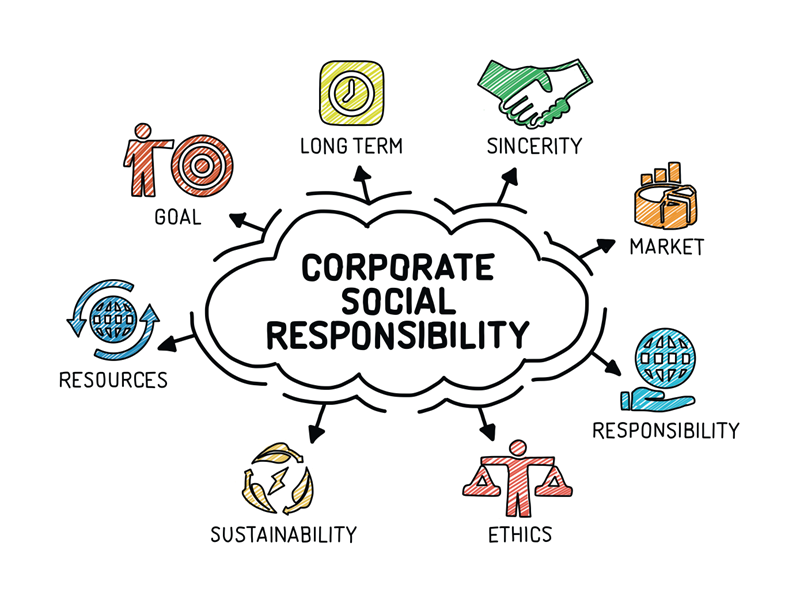



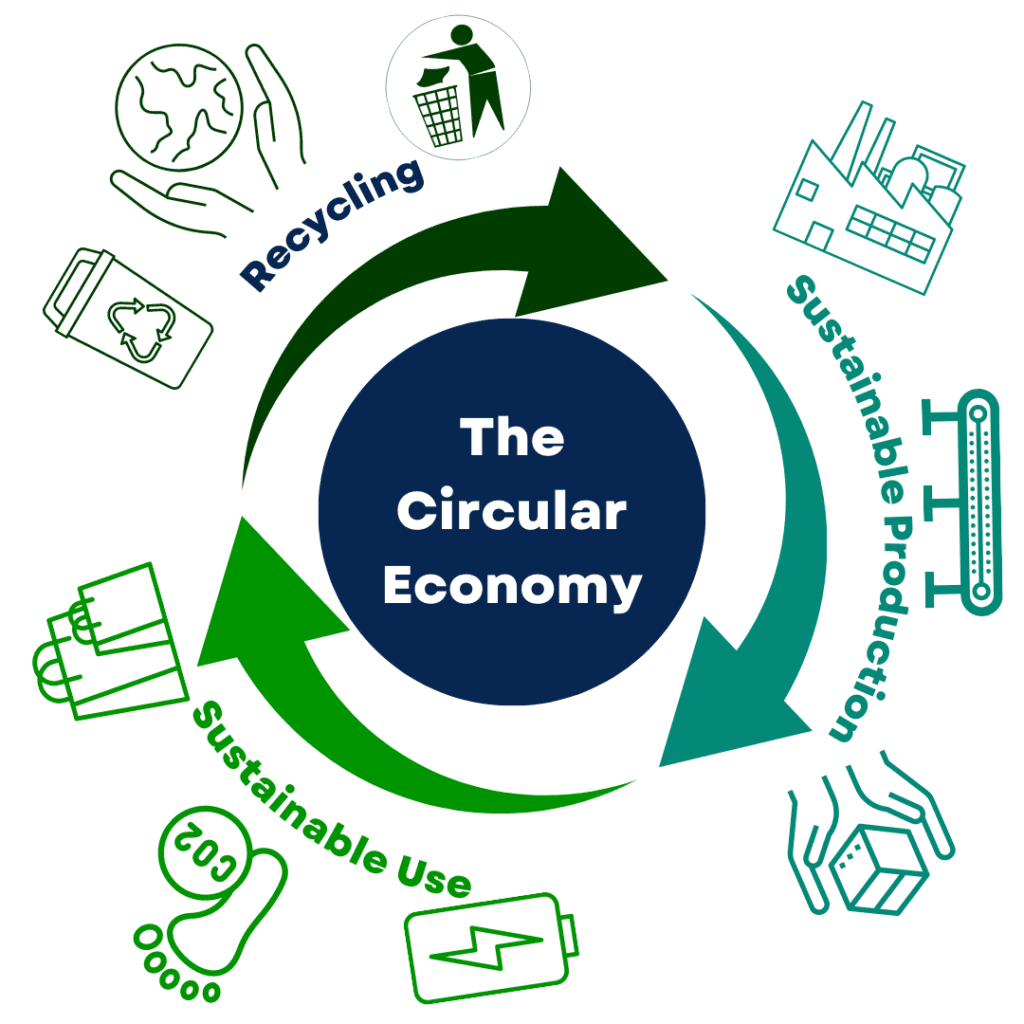
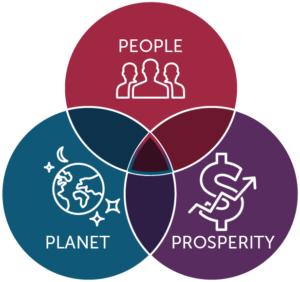
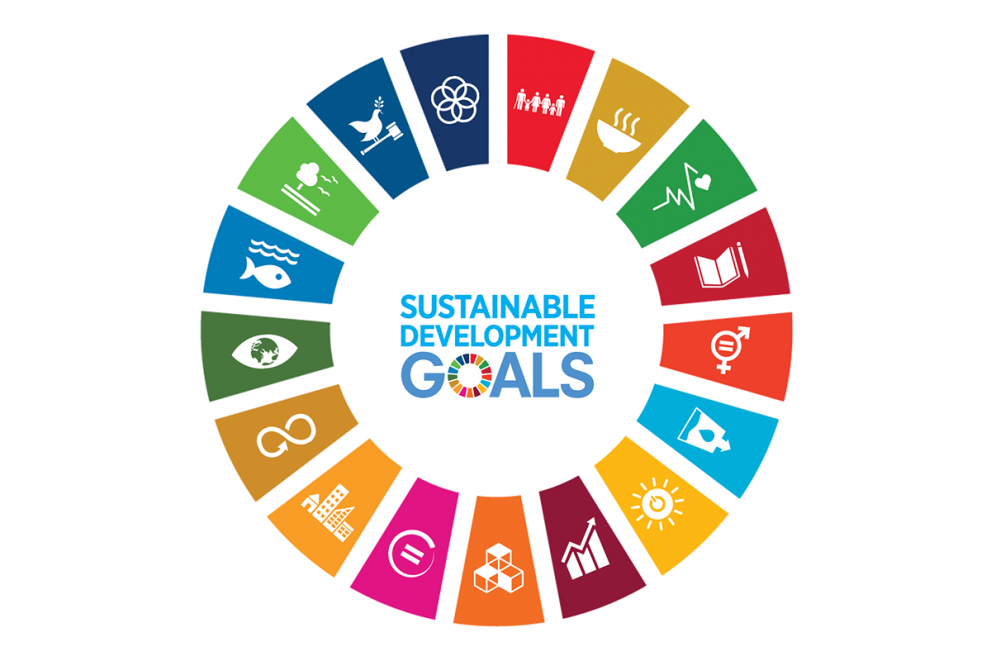


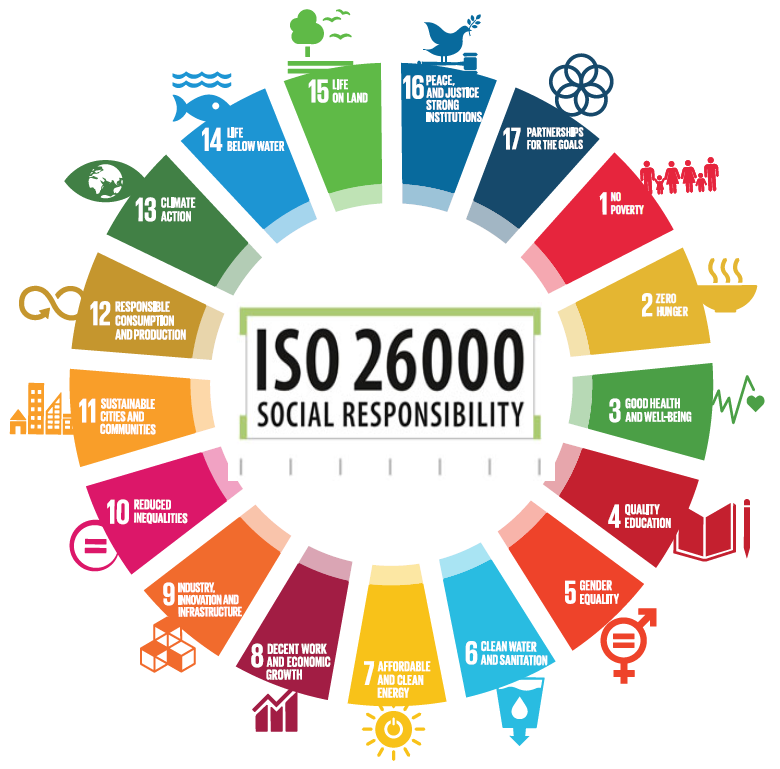
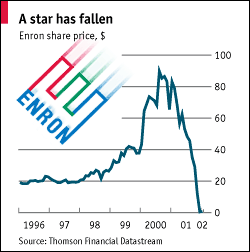


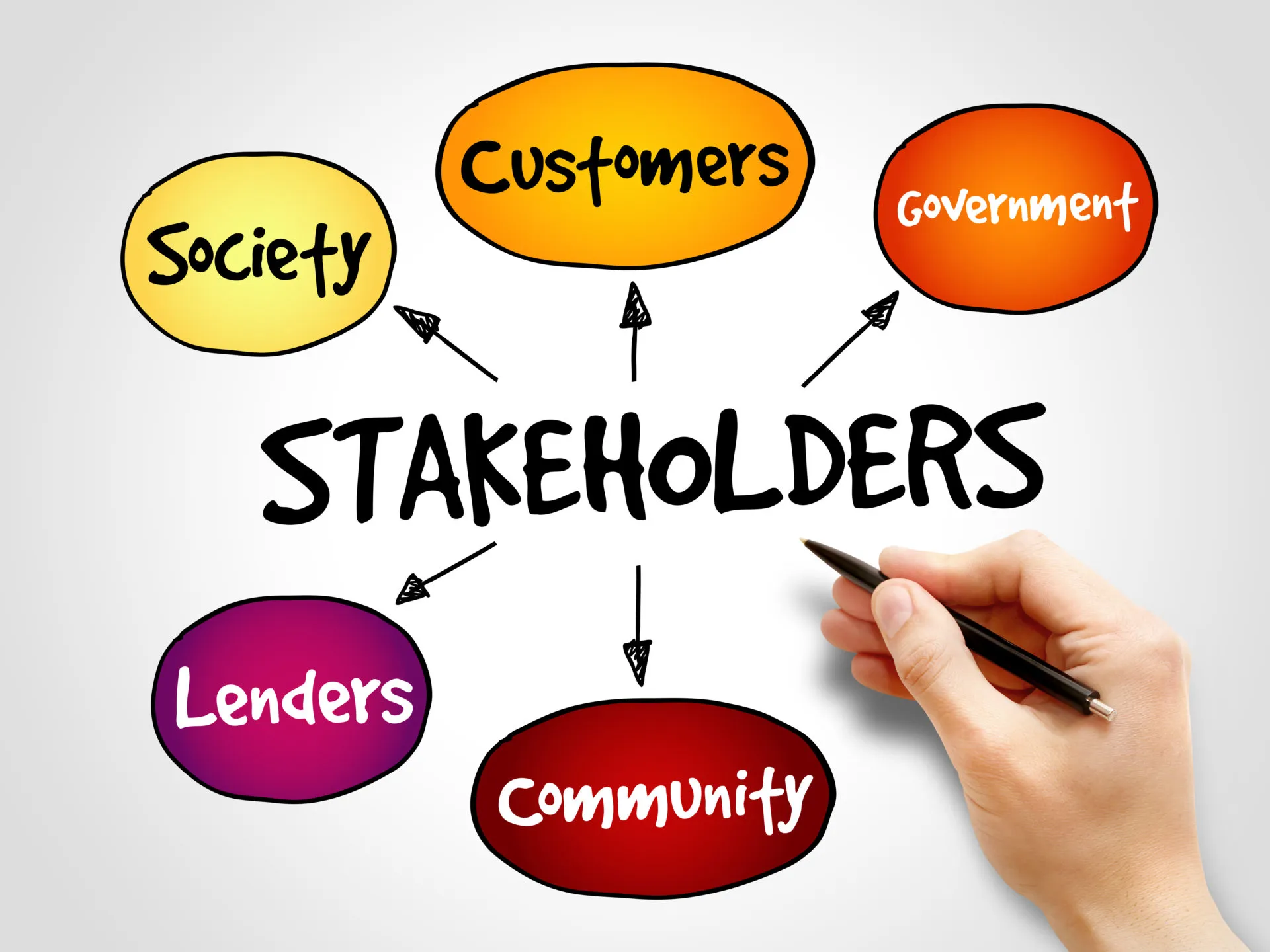


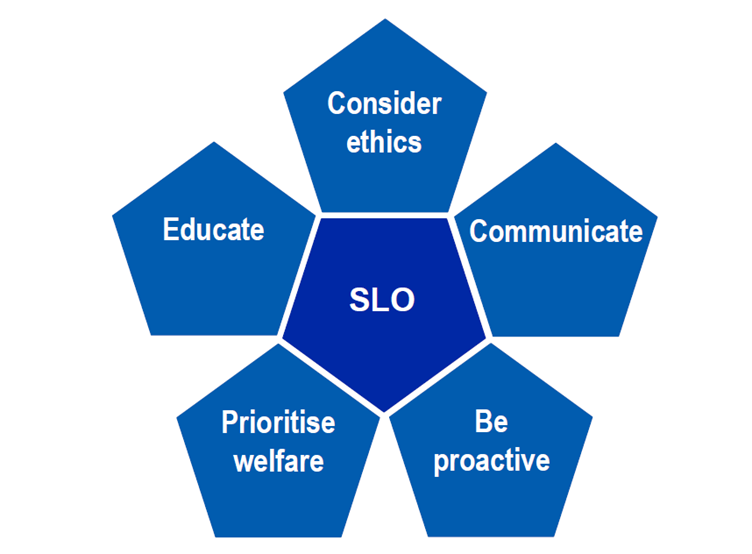
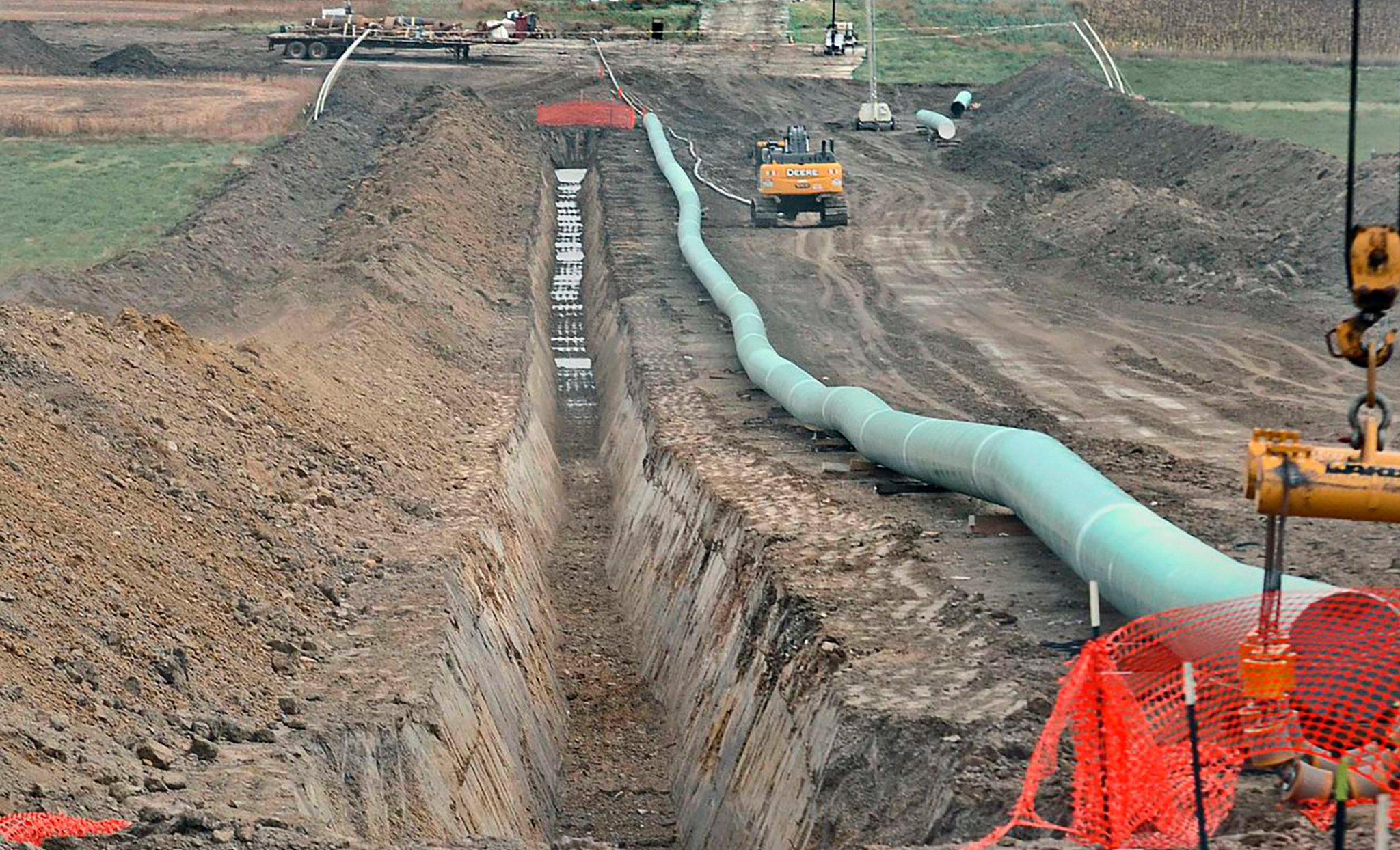
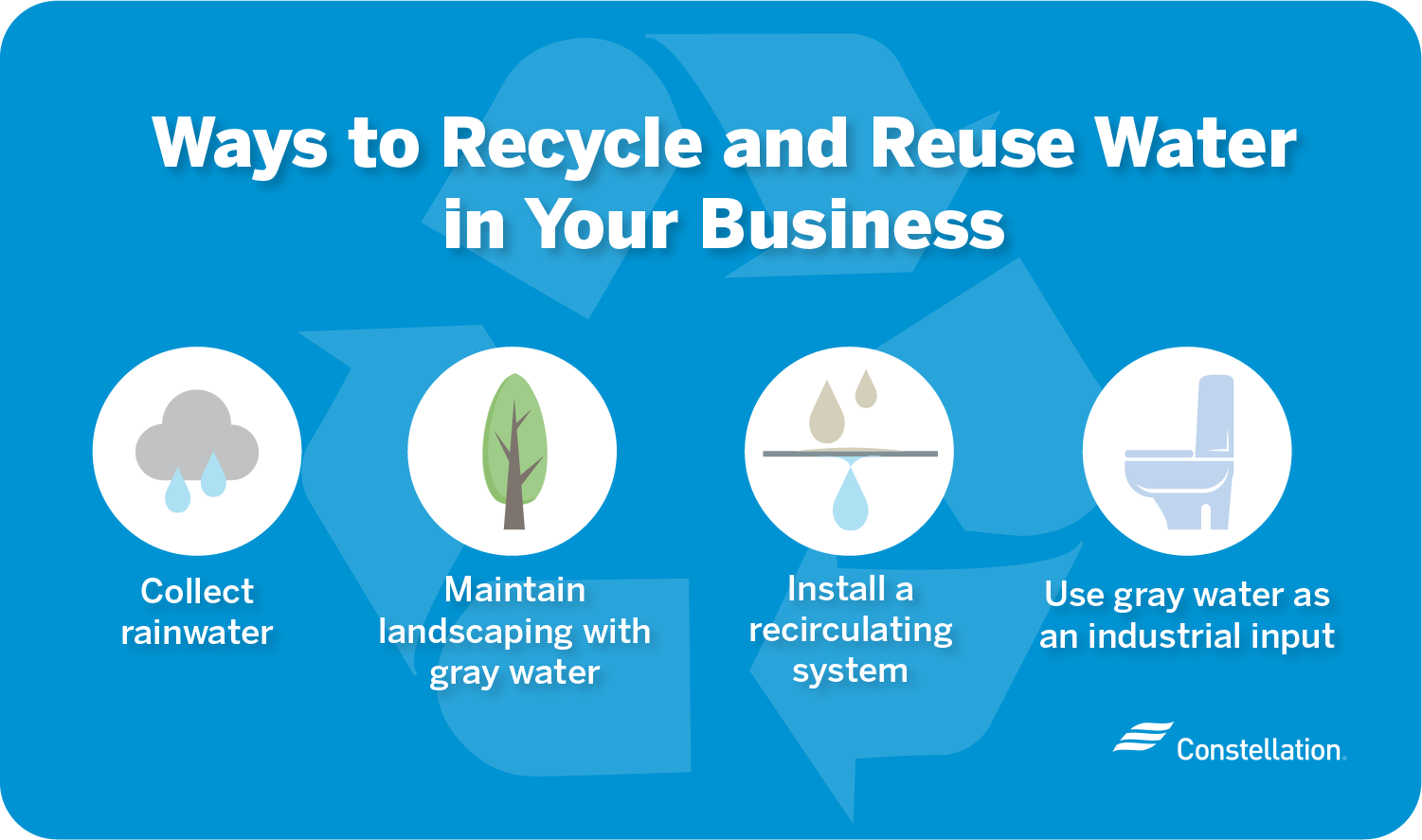







 Following World War II, the "great acceleration" intensified resource consumption through increased use of fossil fuels, plastics, and synthetic chemicals. The Green Revolution boosted agriculture with pesticides and fertilisers, but at the expense of wildlife and soil health. By the 1950s and 1960s, public awareness of environmental degradation surged, driven by visible crises and influential publications.
 The 1970s witnessed the formalisation of environmental activism. The first Earth Day in 1970 mobilised 20 million people in the US alone, leading to the creation of agencies like the Environmental Protection Agency (EPA). The energy crises of 1973 and 1979 exposed vulnerabilities in fossil fuel dependence, sparking interest in renewable sources such as wind and solar power.